
Reviewed · MEXICO CITY HIKING TOURS
From Mexico City: 2-Day Pico de Orizaba Summit Trek
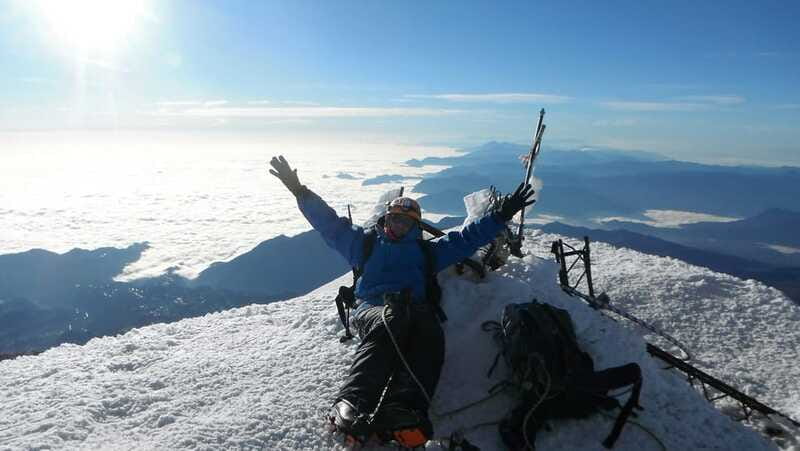
Pico de Orizaba rises to 5,700 meters, making it Mexico’s highest peak and North America’s third highest. This two-day trip is a serious mountaineering effort, not a casual hike, with a pre-dawn start, glacier travel, and a long climb above the valleys.
I like two things in particular: you get an acclimatization walk and practice with crampons and an ice axe before summit day, and the package includes transport, meals, safety equipment, and a night in the Piedra Grande hut. The main caution is altitude: you need excellent physical condition, and previous mountaineering experience is recommended.
Key points to know before you book
- The summit is 5,700 meters high. Fitness matters, but so does your ability to cope with altitude.
- The first night is at Piedra Grande hut. Expect simple shelter, not a hotel, with dinner prepared at the hut.
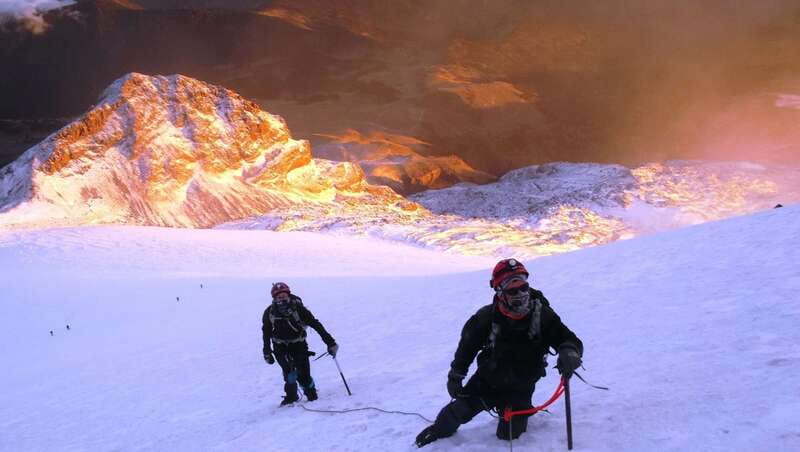
- The climb starts before dawn. Sunrise comes as you make your way toward the glacier.
- Crampons and an ice axe are included. You practice using them during the acclimatization walk.
- The summit day can be very long. One account describes a nine-hour climb, while larger groups may take up to 15 hours.
- The $599 price covers many essentials. You still need to bring personal items, including a sleeping bag, suitable clothing, and hiking shoes.
A two-day climb with a very high bar
This trip takes you from Mexico City to the summit of Pico de Orizaba, also called Citlaltépetl, in two days. The mountain’s height is the central fact to keep in mind: at 5,700 meters, the summit is high enough that a strong hiking background alone may not prepare you for the strain of altitude.
The plan combines ground transport, a night at a mountain hut, basic instruction with climbing gear, and a guided summit attempt. That structure is useful if you want to climb with professional support rather than arrange the logistics and equipment on your own.
Still, a guide and a two-day itinerary cannot make this an easy outing. The climb calls for excellent physical condition, and the operator recommends previous mountaineering experience. If you have never hiked at altitude or used crampons, take the preparation seriously and consider whether you have enough time to acclimatize before the trip.
More hikes and volcano climbs around Mexico City:
- Nevado De Toluca: Reach the Summit with Professionals
★ 4.8 · 250 reviews - Iztaccihuatl Volcano Hike with an Alpinist
★ 4.0 · 244 reviews - Mexico City: Guided Volcano Trek with Lunch
★ 4.7 · 242 reviews
From Mexico City to Piedra Grande
The trip begins at the corner of Vicente Suarez and Michoacan, at the benches in front of the market. From there, you travel to Tlachichuca, Puebla, then continue by 4X4 to Piedra Grande hut, which serves as your overnight accommodation.
That combination of road travel and mountain transport is part of what makes the two-day format workable. You do not need to plan a separate route to the hut, and the 4X4 takes you closer to the starting point for the climb. But the first day is not simply a transfer followed by a night’s sleep: once you arrive, there is an acclimatization walk and practice with crampons and an ice axe.
The small group limit of 15 matters here. On a mountain trip, a smaller party can make it easier for a guide to keep track of people and explain gear use. It does not guarantee a particular pace or outcome, but it is a more personal setup than a large coach-style excursion.
The hut night: practical, simple, and worth preparing for
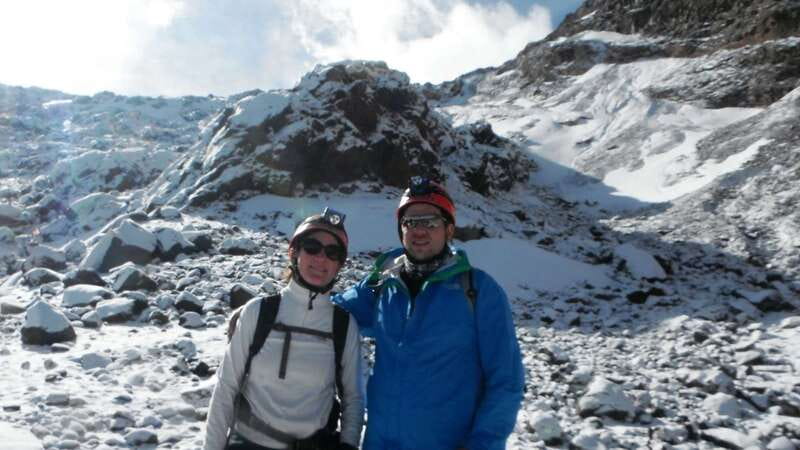
Piedra Grande is a mountain hut, so keep your expectations modest. The lodging is included, and one memorable detail from past trips is dinner cooked in a camping kitchen. Food is also included on the first day, with lunch and dinner provided.
You will need to bring your own sleeping bag and towel, along with toiletries and a change of clothes. The hut is a place to rest and get ready, not a full-service lodge, so pack for basic conditions and keep the gear you need for the summit easy to find.
Use the acclimatization walk to learn how your boots and equipment feel before the main climb. You will also practice using the crampons and ice axe provided by the operator. That short introduction is valuable, especially if the equipment is new to you, but it is not a substitute for previous mountaineering experience.
Dinner, gear preparation, and sleep all have a practical purpose: the next start comes before dawn. Make the evening count by organizing your daypack, warm layers, gloves, headlamp, and anything else you will need in the dark. A rushed search for a missing item is no one’s idea of a good mountain morning.
Before dawn, toward the glacier
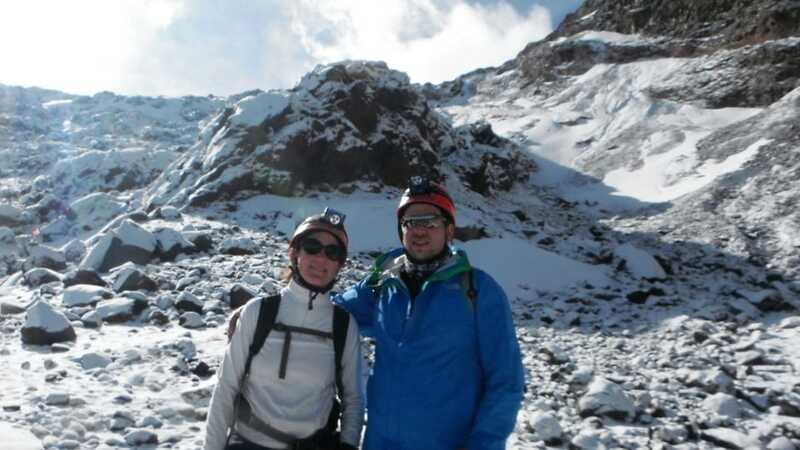
The summit attempt begins early, while it is still dark. A headlamp is included, and you will start climbing before sunrise, gaining position for views of the valleys around Pico de Orizaba as the light arrives.
The highlight is sunrise on the glacier, where the first rays can glint off the ice. It is a striking reward for getting moving in the dark, though the scenery is only one part of the day. You are also climbing at high altitude over difficult terrain, and the route requires sustained effort.
The glacier leads toward the crater and summit. Crampons and an ice axe are part of the safety equipment provided, while your guide leads the group. The guide team has included Alan, Bernardino, and Carlos on past trips. Their names are useful context, but you should not book on the assumption that one particular guide will lead your departure.
Guides have been praised for patience, clear explanations, and support at a pace that suits the climber. That kind of attention matters on a hard route, especially when you are learning to move with unfamiliar gear or dealing with the demands of altitude. The tour is offered in English and Spanish, so check that the language available for your date suits you.
More day trips around Mexico City:
- Teotihuacan, Guadalupe Shrine & Tlatelolco Day Tour with Lunch
★ 5.0 · 11,603 reviews - Balloon Flight + Cave Breakfast + Pick Up from CDMX or We Fly
★ 5.0 · 4,410 reviews - Teotihuacan Hot Air Balloon Flight from Mexico City / Volare
★ 5.0 · 3,262 reviews - Teotihuacan Private Tour from Mexico City
★ 5.0 · 1,890 reviews
The summit at 5,700 meters
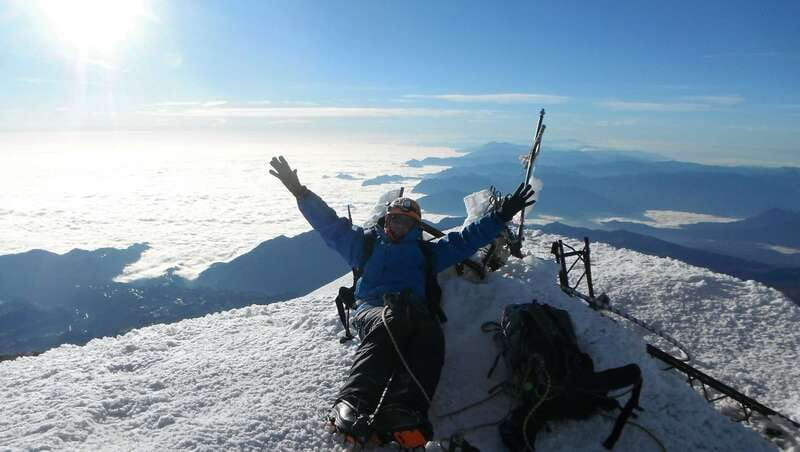
Reaching the summit is the goal, but the climb itself is the test. The route follows the glacier toward the crater, and the elevation makes even steady progress demanding. The tour description calls for excellent physical condition and recommends previous mountaineering experience for good reason.
Do not treat the summit as guaranteed. Your guide is there to look after safety and comfort, but no tour can remove the physical demands of the mountain. Be honest about your fitness, experience, and how you feel as the climb progresses.
The summit offers a broad view over the surrounding valleys and the satisfaction of standing on Mexico’s highest point. It is also the third-highest point in North America. Enjoy the view, but remember that the descent still lies ahead, and you will need energy for it.
The summit day can take a substantial amount of time. One climber described a nine-hour outing, while larger groups can take as long as 15 hours. Those figures are useful for setting expectations, not a timetable: your group’s pace and conditions will shape the day.
The descent and return to Mexico City
After time at the summit, you descend to Piedra Grande, where transport back to Tlachichuca is waiting. A restorative meal is included before the return to Mexico City, along with breakfast and lunch on the second day.
The descent is not a throwaway final stretch. After a long climb, tired legs and concentration matter, particularly on uneven or icy ground. Keep following your guide’s directions and save enough energy to finish the route carefully.
The two-day itinerary packs a great deal into a short window. You get to the mountain, sleep at the hut, climb, and return to the city without organizing separate transport or meals. The tradeoff is that there is little room in the schedule for a slow recovery or a flexible summit attempt.
What the $599 price includes
At $599 per person, this is a substantial purchase, but the price covers more than the guided climb. Included are transport, qualified guides, accident insurance, entrance fees, safety equipment, headlamp, helmet, crampons, ice axe, one night of accommodation, and meals from lunch on day one through lunch on day two.
That package can represent good value if you would otherwise need to arrange transport to the mountain, hire a guide, secure climbing equipment, and plan meals. It also gives you a single operator to coordinate the main parts of the trip. The value is strongest for someone who is prepared for the challenge and wants logistical support, not for a casual hiker looking for a low-cost day out.
Alcoholic drinks are not included. Nor are several personal essentials: bring a sleeping bag, towel, sunscreen, sunglasses, hiking shoes, thermal and warm clothing, a hat, gloves, rain gear, toiletries, a daypack, and a change of clothes. Those items can add to the trip’s real cost if you need to buy or rent them.
Fitness, gear, and who should go
This trip suits fit hikers who are comfortable with sustained effort and want to attempt a high-altitude summit with a guide. Previous mountaineering experience is recommended, though one climber who had never used crampons or an ice axe found that the introductory practice helped. That is encouraging, but it should not be read as a promise that a first mountaineering outing will suit everyone.
The important distinction is between new to a piece of equipment and unprepared for a demanding mountain day. You may be able to learn the basics of crampons and an ice axe during the practice session, but the climb still requires strong fitness and the ability to keep going over hard terrain.
Pack for cold, sun, and changing conditions. The required list includes thermal and warm clothing, gloves, a hat, sunglasses, sunscreen, and rain gear. You also need hiking shoes and a daypack. Since you can leave items at the hut and change after the hike, you do not have to carry every spare item on the climb.
This tour is not suitable for pregnant women or people with haemophilia, heart problems, or back problems. If you have a medical concern not covered by that list, the provided information does not say how the operator handles it, so ask before booking rather than guessing.
Is this Pico de Orizaba trek right for you?
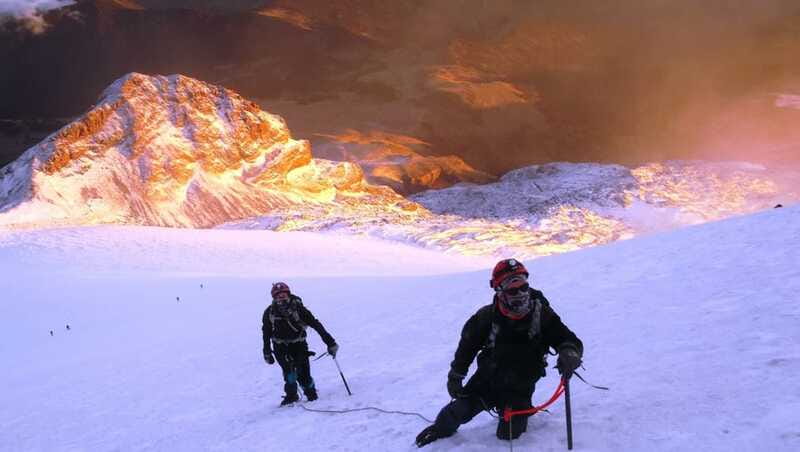
Book this if you are in excellent shape, understand the demands of altitude, and want a guided attempt at Mexico’s highest summit. The sunrise over the glacier, hut dinner, and included equipment give the two-day plan a distinctive character, while transport and meals take several planning tasks off your hands.
Think twice if you want an easy trek, have little time to prepare, or are counting on reaching the summit regardless of conditions or how you feel. The strongest reason to go is the chance to take on a major mountain with guides and logistics arranged. The strongest reason to wait is equally plain: Pico de Orizaba is high, the summit day is long, and preparation matters more than enthusiasm.
Booking is flexible, with reserve now and pay later available, and you can cancel up to 24 hours in advance for a full refund. Those terms help with planning, but they do not reduce the need to arrive fit, properly equipped, and ready for a strenuous climb.
FAQ
How high is Pico de Orizaba?
The summit is 5,700 meters high. It is Mexico’s highest peak and the third-highest in North America.
How long is the tour?
The tour lasts two days, with one night at Piedra Grande hut.
Where is the meeting point?
Meet at the corner of Vicente Suarez and Michoacan, at the benches in front of the market.
What meals are included?
Lunch and dinner are provided on the first day. Breakfast and lunch are provided on the second day.
Is climbing equipment included?
Yes. Safety equipment includes a helmet, crampons, and an ice axe. A headlamp is also included.
What should I bring?
Bring a towel, sleeping bag, sunscreen, hiking shoes, sunglasses, thermal and warm clothing, a hat, a daypack, gloves, toiletries, a change of clothes, and rain gear.
Do I need mountaineering experience?
Excellent physical condition is required, and previous mountaineering experience is recommended. You will practice using crampons and an ice axe during the acclimatization walk.
More two-day trips around Mexico City
- Puebla, Cholula & Tonantzintla Plus Taxco, Cuernavaca & Mine, 2 day Combo
★ 4.5 · 32 reviews - COMBO – Guadalupe Shrine & Teotihuacan Pyramids + Taxco (2 days)
★ 5.0 · 20 reviews - Grutas de Tolantongo Tour from Mexico City (1- or 2-day)
★ 4.5 · 19 reviews - From Mexico City: Puebla, Taxco & Prehispanic Mine in 2 Days
★ 4.7 · 11 reviews
New on the list in Mexico City
- Private & Tailor Made Tour to Teotihuacan Pyramids!★ 5.0 · 37 reviews
- Private Tour: Pyramids of Teotihuacan and Piramides of Atlantes de Tula★ 5.0 · 26 reviews
- Xochimilco Tour★ 5.0 · 26 reviews
- Private tour to Queretaro and San Miguel de Allende★ 4.0 · 10 reviews
- Private Street Food & Mural Art Tour in Mexico City★ 3.5 · 3 reviews
- Private tour Antropology Museum Frida Khalo museum and Leon Trotskyi museum★ 5.0 · 3 reviews
- Private Tour: Museum of Anthropology and Chapultepec Castle★ 5.0 · 3 reviews
- Teotihuacan Private Tour, Cave Breakfast and Transportation★ 5.0 · 51 reviews
Mexico City Hiking Tours, compared.
Nevado De Toluca: Reach the Summit with Professionals
Read our review →
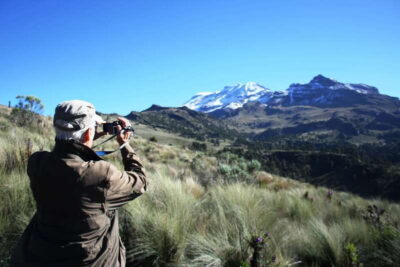
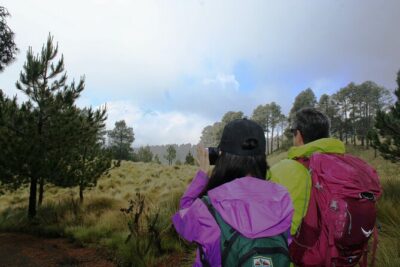
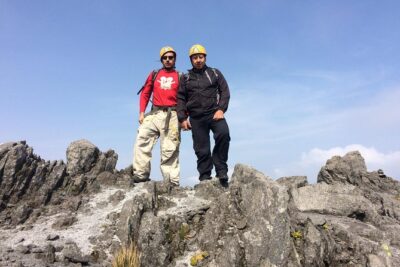
Mountaineering to the Nevado de Toluca (altitude 4680m)
Read our review →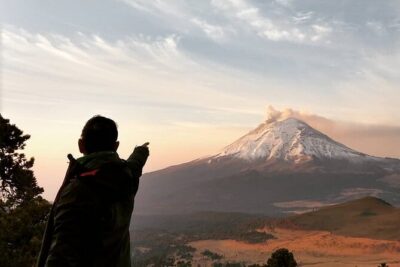
Hiking Excursion to the Iztaccíhuatl Volcano from Puebla
Read our review →
3 Hour Private Hike: Mountain Nevado Toluca from Mexico City
Read our review →Browse the lists this tour appears in