
Reviewed · CUERNAVACA TOURS
Cuernavaca: Museo Robert Brady Entrance Tickets
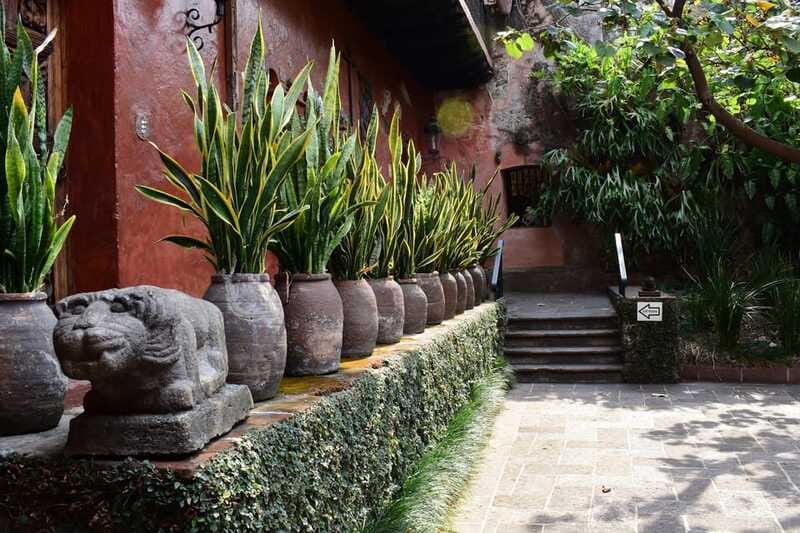
Casa de la Torre is more than a place to hang art. It is a former corner of a 16th-century Franciscan convent, reshaped into the home of American artist and collector Robert Brady, whose rooms hold art and objects gathered from around the world. The result is a personal house museum, not a formal gallery with a single story to follow.
I like two things in particular: the chance to see works by Frida Kahlo, Rufino Tamayo, and other notable artists in the setting of Brady’s own home, and the mix of Mexican colonial furniture, pre-Hispanic figures, and art from several continents. One consideration: your ticket does not include a guide, and the museum is not wheelchair accessible.
At a glance
- A convent building turned home: Explore Casa de la Torre, set in part of a 16th-century Franciscan convent behind Cuernavaca Cathedral.
- More than 1,300 objects: The collection includes Mexican colonial furniture, pre-Hispanic figures, and art from Africa, the Americas, Oceania, India, and the Far East.
- Art by major names: Look for works associated with Frida Kahlo, Rufino Tamayo, Miguel Covarrubias, Maurice Prendergast, Marsden Hartley, and Graham Sutherland.
- A personal, room-by-room experience: Brady designed the house to express his own outlook, so the building and its arrangement are part of the visit.
- A low-cost, self-guided ticket: Admission is listed at $3.81 per person, but a guide is not included and re-entry is not allowed.
- Plan around practical limits: There is no parking or wheelchair access, and bags, food, drinks, flash photography, and several other items are prohibited.
A home with a convent’s past
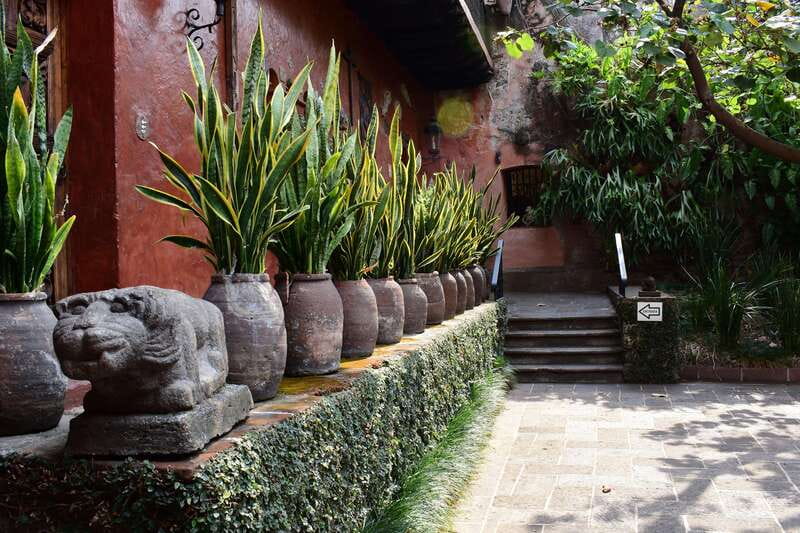
Behind Cuernavaca Cathedral, Casa de la Torre offers a useful change of pace from the city’s larger landmarks. The museum occupies a section of a Franciscan convent dating to the 16th century, but its identity is shaped just as strongly by the person who later made it his home.
Robert Brady, an American artist and collector who lived from 1928 to 1986, spent more than two decades here. He traveled widely and kept building his private collection, then arranged his house around the objects he gathered. You are not simply walking through a historic building or viewing a collection in neutral gallery rooms. You are seeing the two together.
That distinction matters. In a conventional museum, labels and a planned route often guide your attention. Here, the house itself offers clues to Brady’s taste and choices. Each room belongs to a larger domestic setting, and the art is part of a whole that Brady assembled for himself.
The building’s earlier use gives the visit an extra layer, but the available information does not promise a guided account of the convent’s architecture or religious history. Go expecting a house museum with a long past, not a full architectural tour.
More Cuernavaca trips around Cuernavaca:
- Taxco, Cuernavaca & Pre-Hispanic Mine optional visit
★ 4.5 · 597 reviews - Mexico City: Taxco & Cuernavaca Tour with Pre-Hispanic Mine
★ 4.6 · 271 reviews - From Mexico City: 10-Hour Cuernavaca and Taxco Tour
★ 4.0 · 133 reviews
Following Brady’s eye through the rooms
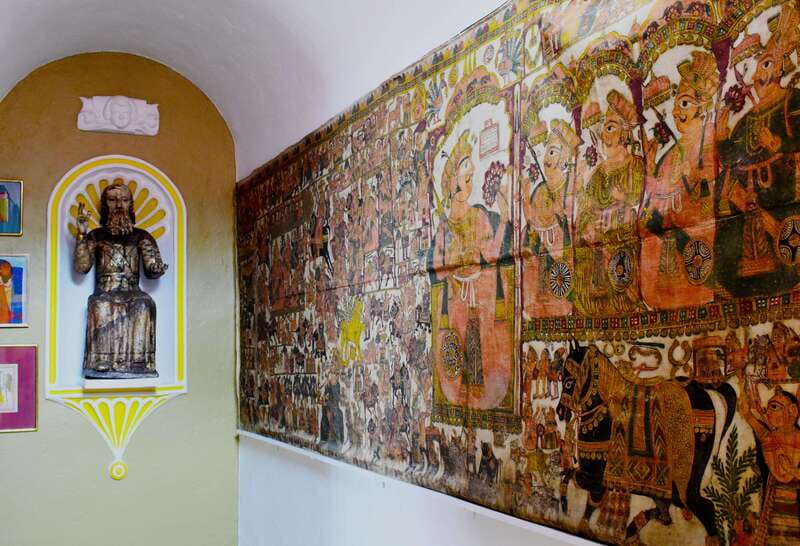
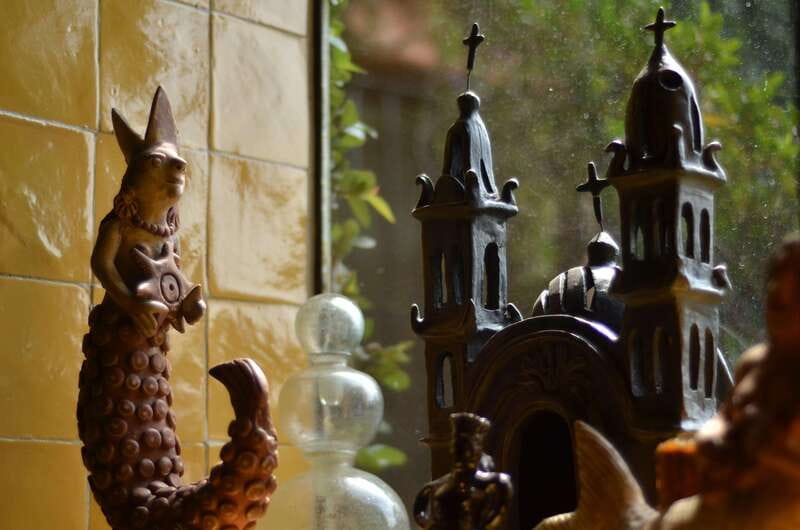
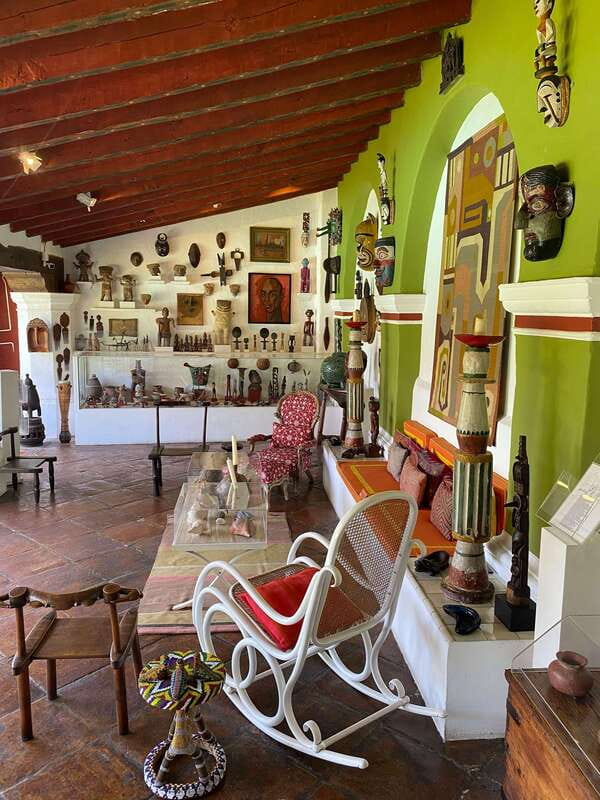
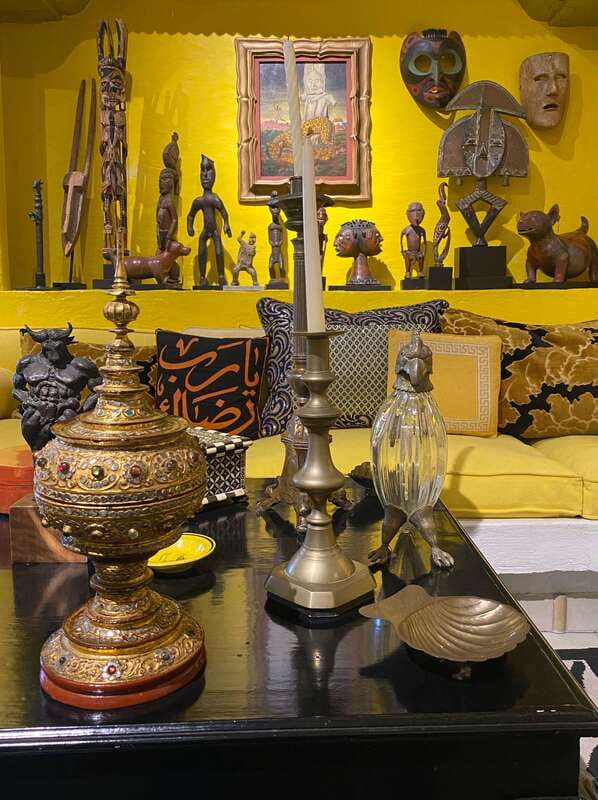
The collection contains more than 1,300 pieces, a substantial number for a home museum. Its range is broad: Mexican colonial furniture and pre-Hispanic figures sit alongside art and objects from Africa, the Americas, Oceania, India, and the Far East.
That variety is the appeal, but it also means you may not find a single tidy theme running through the whole visit. Brady’s interests set the pace. Rather than treating each object as one chapter in a formal survey, look at the collection as a record of what drew one collector’s attention across places and periods.
The house’s rooms are described as meticulously designed by Brady, with every corner expressing his personal vision. That makes it worth slowing down. Notice how the rooms feel as domestic spaces as well as displays, and how the setting changes the way you encounter the objects. A colonial piece of furniture, for instance, carries a different presence when it sits within a house than it would behind a gallery label.
There are no stated tour times or set route to follow, so allow yourself to move at your own pace. Since re-entry is not permitted, it is sensible to take your time while you are inside rather than planning to step out and return later. The ticket is valid for one day, but that does not mean you can come and go.
Looking for Kahlo, Tamayo, and the rest
The names attached to Brady’s collection give art-minded visitors a few clear points of interest. Works by Frida Kahlo and Rufino Tamayo are among the highlights, alongside pieces by Miguel Covarrubias, Maurice Prendergast, Marsden Hartley, and Graham Sutherland.
The range is appealing because it places well-known artists in a personal collection rather than isolating them in a single-artist show. You can appreciate the work itself, then consider what its presence says about Brady’s interests and the company he kept. The museum’s appeal is not only the names on the walls, but the chance to see those works as part of a collector’s home.
Do not expect the ticket to provide an art historian or a guided explanation of every piece. Guided tours are not included. If you want detailed background on the artists or objects, you may need to do some reading before or after your visit. That trade-off suits independent museum-goers who like to look closely and make their own connections, but it may frustrate anyone who wants a structured introduction.
A practical approach is to pick out a few artists or regions that interest you before arriving, then keep room for surprises. With more than 1,300 pieces spanning several continents, trying to study everything in equal detail could turn a relaxed visit into a checklist.
The social world behind the collection
Brady’s house was also a meeting place for cultural and artistic figures. Among the people associated with it are Josephine Baker, Rufino Tamayo, Octavio Paz, Peggy Guggenheim, and Tamara de Lempicka.
That history gives the house a human scale. The collection was not just an accumulation of objects gathered on the road; it belonged to a home where artists and cultural figures met. Still, the information available does not describe specific rooms tied to those visitors or promise stories about particular gatherings. Treat the names as context for Brady’s circle, not as a guaranteed sequence of biographical stops.
I find that distinction useful when deciding what kind of visit to expect. The experience centers on the house and its collection. The famous names add interest, but they do not turn the visit into a celebrity-history tour.
More tickets and passes around Cuernavaca:
- Lucha Libre Tickets & Tacos & Beer & Mezcal – BEST NIGHT EVER!
★ 5.0 · 1,077 reviews - Frida Kahlo VIP [Museum Tickets Included] Bike, Markets & Churros
★ 5.0 · 1,072 reviews - Frida Kahlo VIP [Museum Tickets Included] Walk, Markets & Churros
★ 5.0 · 982 reviews - Mexico City: Frida Kahlo Museum Entry Ticket w/Digital Guide
★ 4.5 · 683 reviews
What the $3.81 ticket buys
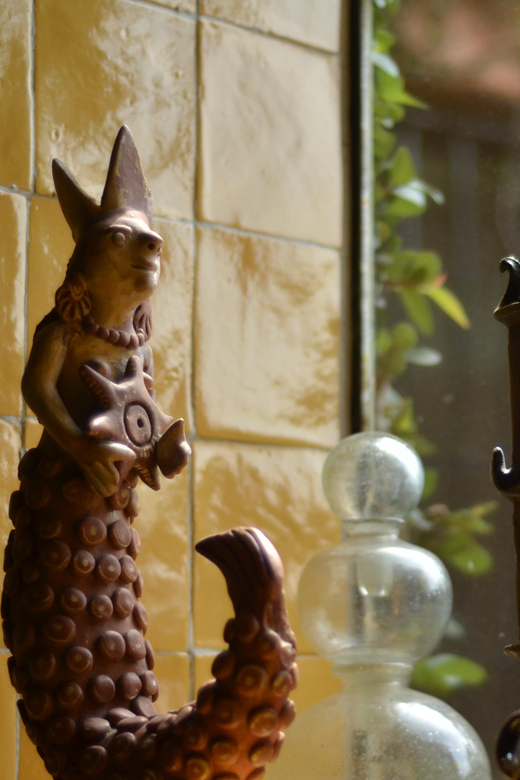
At $3.81 per person, admission is inexpensive for access to a historic house and a collection of this size. The value is especially strong if you enjoy art, decorative objects, or places that reveal the taste of a particular owner. You get a self-guided visit through a home shaped by Brady and filled with objects from many parts of the world.
The price does not include a guided tour, and no re-entry is allowed. So the value depends partly on how you like to visit museums. If you are content to look, read what is available on site, and set your own pace, the ticket offers a lot for a modest outlay. If you rely on a guide to explain the art and history, consider whether an independently guided visit will meet your needs.
Students, teachers, and INAPAM cardholders must buy tickets directly at the museum ticket office so staff can validate their credentials. Do not assume that the standard advance ticket covers those discounted admissions.
Making the visit comfortable and practical
There is no parking at the museum, so plan your arrival accordingly. The museum is behind Cuernavaca Cathedral, a useful location reference, but the supplied details do not give specific directions or transport advice.
The site is not wheelchair accessible. That is an important limitation to consider before booking, particularly if anyone in your party needs step-free access. Baby strollers are not allowed, including non-folding strollers, so families with small children should plan for that restriction.
The museum also prohibits food and drinks, backpacks, luggage or large bags, pets other than assistance dogs, selfie sticks, flash photography, and chewing gum. It is easiest to arrive with only the essentials and keep your camera flash off. Since bags are restricted, avoid bringing items you would need to store or carry through the visit.
A valid ticket covers one day, but you cannot re-enter once you leave. Set aside enough time for the visit, and take any break you need before entering. The exact length of a visit is not specified, so your pace and interest in the collection will determine how long you stay.
How to decide if this is your kind of museum
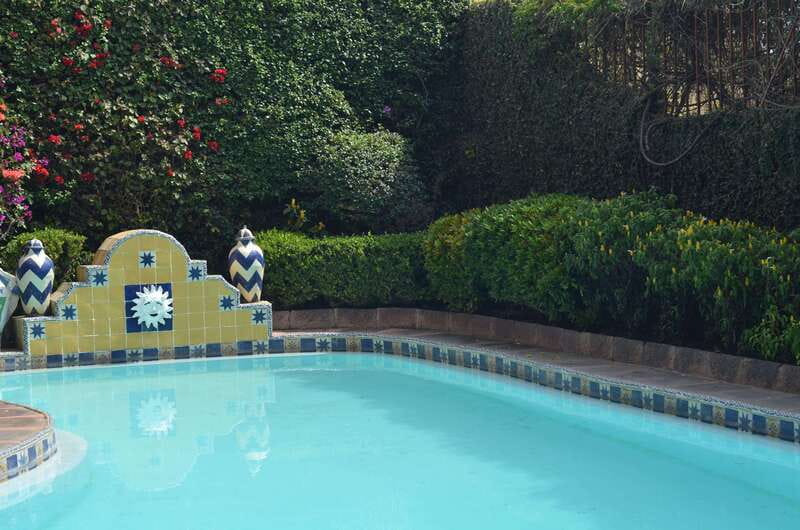
This is a strong choice if you enjoy seeing art in its original domestic setting, or if you like collections that reflect one person’s interests rather than a museum’s formal categories. The mix of Mexican objects and art from around the world gives you plenty to look at, while the historic house provides a sense of place that a standard gallery cannot offer.
It also suits visitors who want a worthwhile cultural stop without spending much. At $3.81, admission is modest, and its location behind the cathedral makes the museum easy to pair with time in central Cuernavaca. The house’s connection to Brady and his artistic circle adds another layer for anyone interested in Mexico’s cultural life.
On the other hand, this may not be the best fit if you need wheelchair access, expect a guided tour as part of the ticket, or prefer a clearly explained route through a collection. The rules on bags, strollers, and re-entry also call for a little planning. And while a small café or coffee-shop stop may be available nearby, the art and house are the main reason to go, not the hot chocolate.
Should you book Museo Robert Brady?
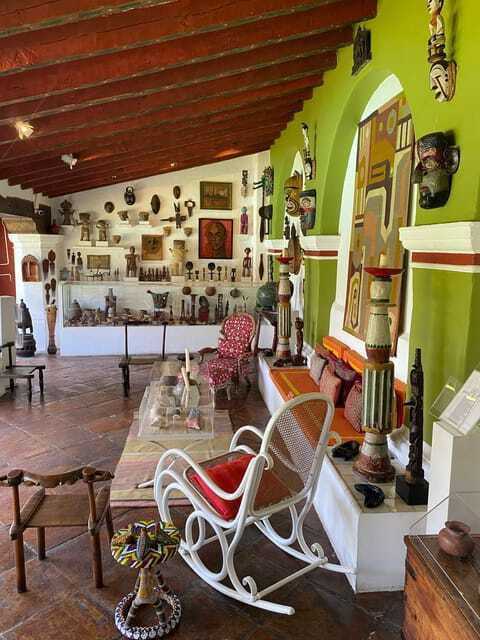
I would book this if you want an affordable, independent look at an unusual house museum, especially if Kahlo, Tamayo, historic interiors, or collector-made displays interest you. The strongest reason to go is the combination of Brady’s personal home and a collection that ranges well beyond one country or artistic style.
Skip it, or make another plan, if accessibility is essential or you want a guided explanation included. If you are happy to explore at your own pace and arrive light, this is a distinctive way to spend part of a day in Cuernavaca.
FAQ
Where is Museo Robert Brady?
The museum is in Casa de la Torre, behind Cuernavaca Cathedral. The house museum occupies part of a 16th-century Franciscan convent.
What does the entrance ticket include?
The ticket includes entry to Museo Robert Brady. A guided tour is not included, and re-entry is not allowed.
How much does admission cost?
The listed price is $3.81 per person. Students, teachers, and INAPAM cardholders must purchase tickets at the museum ticket office to validate their credentials.
What can I see inside the museum?
The collection includes more than 1,300 pieces, including Mexican colonial furniture, pre-Hispanic figures, and art from Africa, the Americas, Oceania, India, and the Far East. Artists represented include Frida Kahlo, Rufino Tamayo, Miguel Covarrubias, Maurice Prendergast, Marsden Hartley, and Graham Sutherland.
Is Museo Robert Brady wheelchair accessible, and is parking available?
The museum is not wheelchair accessible, and there is no parking available.
What items are not allowed inside?
Food and drinks, backpacks, luggage or large bags, baby strollers, non-folding strollers, pets other than assistance dogs, selfie sticks, flash photography, and chewing gum are not allowed.
New on the list in Cuernavaca
- Private Day Tour of Xochicalco Archaeological Site and Cuernavaca★ 4.5 · 4 reviews
- Private Tour: The Colonial Towns of Taxco and Cuernavaca from Mexico City★ 4.5 · 7 reviews
- PRIVATE TOUR Colonial Town Taxco and Cuernavaca from CDMX.★ 5.0 · 10 reviews
- Private Tour Cuernavaca and Taxco★ 5.0 · 7 reviews
- Puebla, Cholula & Tonantzintla Plus Taxco, Cuernavaca & Mine, 2 day Combo★ 4.5 · 32 reviews
- Small Group: The Magical Colonial Towns of Taxco and Cuernavaca★ 4.5 · 46 reviews
- Cuernavaca and Taxco 1-day Tours from Mexico City★ 4.5 · 4 reviews
- Taxco the silver town with stop in Cuernavaca★ 4.0 · 17 reviews
Cuernavaca Tours, compared.
Taxco, Cuernavaca & Pre-Hispanic Mine optional visit
Read our review →


6-Night Best of Central Mexico Tour: Teotihuacan Pyramids, Taxco, Cuernavaca and Puebla from Mexico City
Read our review →
Small Group: The Magical Colonial Towns of Taxco and Cuernavaca
Read our review →
Puebla, Cholula & Tonantzintla Plus Taxco, Cuernavaca & Mine, 2 day Combo
Read our review →Browse the lists this tour appears in