
Reviewed · FRIDA KAHLO MUSEUM TOURS
La Catrina & Muralism: Diego Rivera’s Legacy & Frida Kahlo
A mural in a market can be easy to walk past. This tour helps you spot the art hiding in plain sight, then gives you the history and symbolism to understand why it matters. It connects Diego Rivera’s work with Frida Kahlo, other Mexican muralists, and the country’s past.
I like two things especially: museum admission and public transportation are included, so the price covers more than a guide, and a group of no more than 12 makes it easier to ask questions. I also like that the walk brings together major sites and murals you might not find on your own.
One point to plan around: the tour is advertised at about two and a half hours, but some walks have run much longer. Bring water and a snack, and leave room in your day in case the stories, museum visits, or route extend the outing.
What to know before you go
- A market mural is part of the appeal: Your route may include public art in places you might not think to seek out.
- Four named stops anchor the walk: San Ildefonso, the Museo Vivo del Muralismo, the Diego Rivera Mural Museum, and Palacio de Bellas Artes.
- Rivera is the main thread, not the only artist: The wider story can include José Clemente Orozco and David Alfaro Siqueiros.
- Small groups suit questions: The maximum group size is 12, and the tour is offered in English.
- The stated duration may not tell the whole story: Keep your schedule flexible and take water and a snack.
- The final stop is near central sights and places to eat: Your guide shares local tips at the end.
Reading murals as history, not decoration
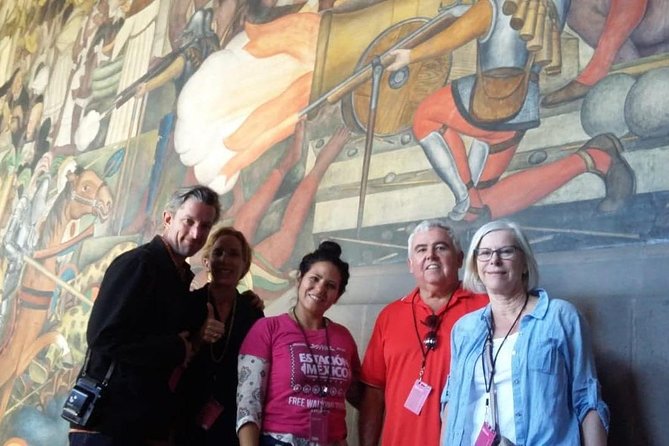
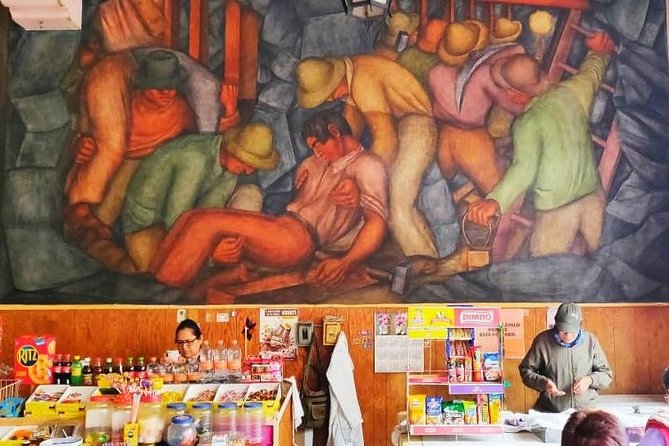
Mexican muralism is more than a style of painting. The movement used large public works to tell stories about the country, its people, and its political struggles. Rivera, Orozco, and Siqueiros are among the artists associated with it, and their works can offer competing views of the same past.
That context is what makes a guided visit useful. You can look at a mural on your own, but the people, symbols, and historical references may not be clear at first glance. A guide can help connect the image to the artist and the period, turning a wall of figures into a story you can follow.
The guides are a major part of the experience. Names associated with past tours include Ady, Sofía, Ulysses, Wariyor, Diana, David, and Erin. The guide assigned to your date may differ, but the walk is designed around a host with a strong connection to art and history, and the format is in one language for focused storytelling.
That personal approach matters most when a painting is politically charged or crowded with figures. Several guides have been praised for making complex history easy to follow, and for welcoming questions. If you are curious about the subject, you can ask how a mural’s details relate to Mexico’s past rather than simply moving from one room to the next.
More Frida Kahlo visits around Mexico City:
- Xochimilco, Coyoacan and Frida Kahlo with Optional Lunch
★ 4.5 · 7,320 reviews - CDMX: Xochimilco, Coyoacan, Frida Kahlo Museum & Murals Tour
★ 4.4 · 3,025 reviews - Frida Kahlo VIP [Museum Tickets Included] Bike, Markets & Churros
★ 5.0 · 1,072 reviews
San Ildefonso, where the Rivera and Kahlo story begins
The walk starts at the former College of San Ildefonso, also called Antiguo Colegio de San Ildefonso. The first visit lasts about 35 minutes, with admission included. Here, your guide introduces Rivera’s life and work and explains the site’s connection to the relationship between Rivera and Frida Kahlo.
That introduction gives the rest of the tour a human thread. Rivera’s art is often discussed through politics and public history, while his connection with Kahlo brings another dimension to the story. You do not need to arrive with a detailed knowledge of either artist. The guide’s opening account is meant to set up the names and events you will encounter as the walk continues.
San Ildefonso is also a practical place to begin: it is a central meeting point in the Historic Center. Arrive ready to walk and listen from the start, since the first stop is not just a quick photo pause. It sets the terms for looking at murals as both art and public storytelling.
The Museo Vivo del Muralismo’s courtyards and levels
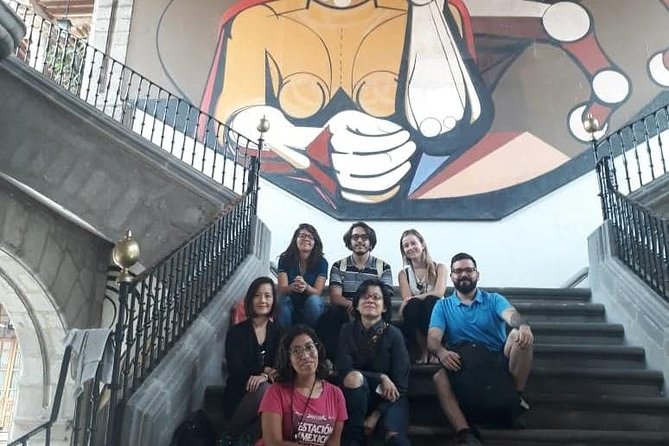
Next comes the Museo Vivo del Muralismo, scheduled for about 35 minutes. The site includes two courtyards and three levels, giving you several settings in which to see mural work. The point is not only to admire individual paintings, but to compare how art occupies shared public spaces.
A guide can help you notice how the scale and location affect the way a mural is read. A work encountered in a courtyard or along a building’s levels feels different from a painting displayed in a conventional gallery. You can take in the architecture as part of the experience, while the guide explains the artists and the larger movement.
The timing may feel brisk if you like to linger. The schedule assigns a little over half an hour here, and the full route has several stops. If a particular mural catches your eye, make use of the group’s small size to ask a question, but understand that the walk needs to keep moving.
There is also a practical caveat: the museums on the route may change according to availability. The named sites describe the planned experience, but you should be prepared for a substitute if access shifts. The core subject remains Mexican muralism, though the exact mix of venues may vary.
Diego Rivera’s mural and La Catrina
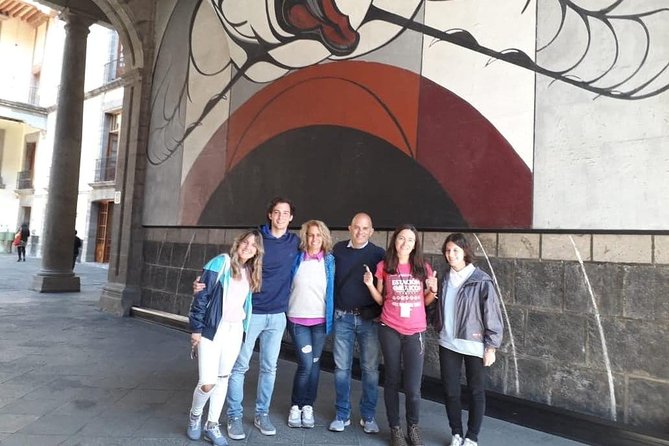
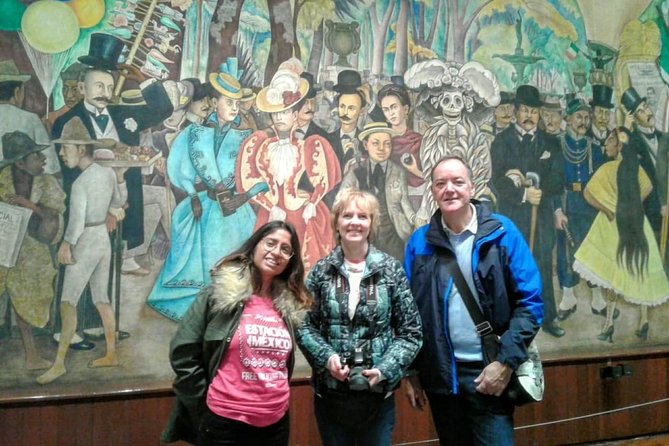
At the Museo Mural Diego Rivera, the focus turns to one of the artist’s best-known works. The planned visit lasts about 30 minutes, and the mural brings together the spirit of Día de Muertos and the iconic figure of La Catrina. It offers a vivid way into the symbols and ideas that recur in Mexican art.
La Catrina is more than a striking skeleton figure. In this setting, she helps link popular imagery and social commentary, making her a useful guide to the way Mexican artists blend recognizable figures with broader messages. Your guide can help you look beyond the central image and notice how the mural gathers details into a larger composition.
This stop is a natural high point for anyone who booked mainly for Rivera. It also helps explain why muralism is so closely tied to Mexico City: works of this scale are not just objects to admire, they are public statements meant to be seen and interpreted.
If you want time to study every detail, keep expectations realistic. The allotted half hour includes the group visit and explanation, and other people may be moving through the museum as well. A thoughtful question can be more useful than trying to memorize every name and symbol.
More mural tours around Mexico City:
- Mexico City; ART NACO : Murals & Street Art Bike Tour
★ 5.0 · 284 reviews - EXCLUSIVE TOUR Casa Estudio Frida Kahlo-Diego Rivera Small Groups
★ 5.0 · 237 reviews - Walking Tour – Impressive murals in Historical Center of Mexico City
★ 5.0 · 224 reviews - Mexico City: Art Naco, murals & street art bike tour
★ 4.7 · 166 reviews
Bellas Artes and a controversial mural
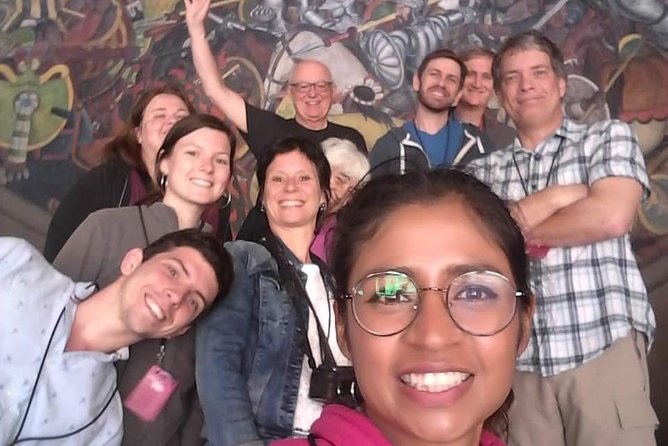
The tour ends near Palacio de Bellas Artes, Mexico City’s most important cultural venue. The visit is planned for about 30 minutes and centers on Rivera’s controversial mural, originally created in the United States and now preserved here. It gives the route a strong finish: a public work with a story that reaches beyond the walls of the building.
The setting itself is part of the appeal. Bellas Artes is a major cultural landmark, and the mural offers a chance to consider how art can provoke debate as well as admiration. Your guide can connect the work to Rivera’s wider legacy and the conflicts that shaped his public art.
At the end, the guide shares tips on what to do nearby and where to eat. That is useful in this part of the city, especially if you want to continue exploring rather than head straight back to your hotel. The tour finishes near the Palace of Fine Arts, not at its starting point, so you can plan the rest of your day from there.
The value of a guide, tickets, and transit
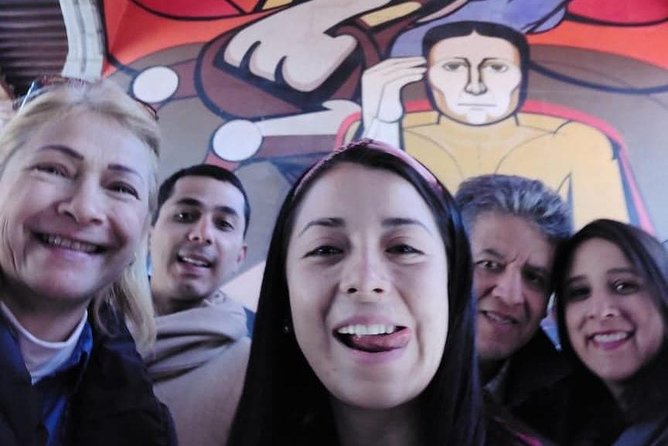
At $66.14 per person, this is not simply a short walk with a few outside views. Museum tickets and public transportation are included, and the guide’s explanations are a central part of what you are paying for. If you tried to visit the same places alone, you might still see impressive works, but you would need to piece together much of the background yourself.
The small group limit is another value point. With no more than 12 people, it is easier to hear the guide and ask questions than on a large coach tour. It can also make the walk feel more conversational, particularly when the group has a shared interest in art or Mexican history.
The tour makes most sense if you want context along with the sights. If you already know Rivera’s work well and prefer to spend as long as you like in each museum, an independent visit may suit you better. But if you want help finding murals and understanding their historical references, the guide can make the admission price and time feel well spent.
Food and drinks are not included. Although the listed schedule is only about two and a half hours, some accounts of the walk describe a much longer outing, including tours lasting three and a half to more than four hours. That difference is significant: do not book a tight lunch reservation or another timed activity immediately afterward.
Walking, timing, and a few useful preparations
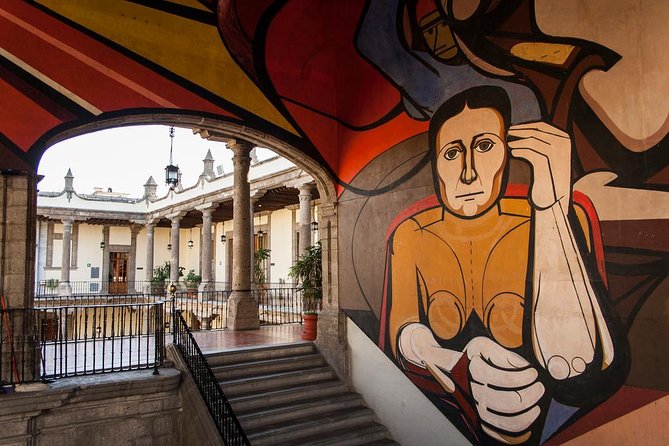
This is a walking tour with time spent standing in museums and looking at art. It is not described as a strenuous hike, and most people can participate, but you should be comfortable being on your feet. One person described the activity as mostly standing, so supportive shoes are a sensible choice.
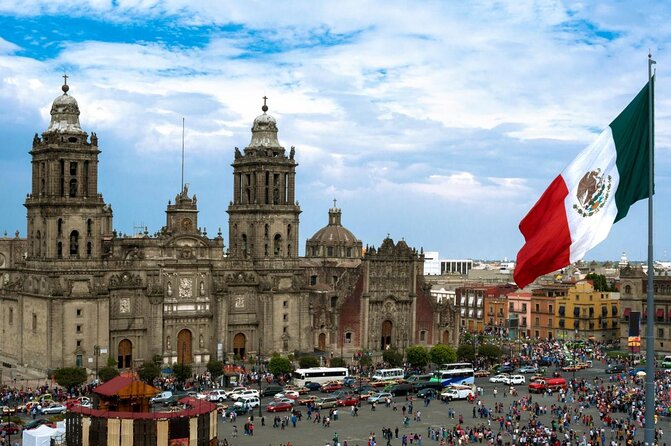
The tour begins at 11 a.m. at Antiguo Colegio de San Ildefonso, Justo Sierra 16, and ends near Palacio de Bellas Artes on Avenida Juárez. Public transportation is included, though the exact transit details are not specified. The start and finish are in the Historic Center, and the meeting point is near public transportation.
I would bring water and a small snack even if the expected duration sounds manageable. There is no food or drink included, and some walks have gone through lunchtime. The group may not have a scheduled break, so having something with you is an easy safeguard.
Allow extra time at the end as well. The guide’s local suggestions can help you decide where to eat or what to see next, and the final location puts you in a useful spot for continuing around the center. Keep your plans flexible enough to enjoy that rather than rushing off to meet a fixed appointment.
Who will enjoy this walk most
This tour is a strong fit if you enjoy art but want more than a list of dates and names. It suits first-time visitors to Mexico City who want an informed introduction to muralism, as well as returning visitors who have already seen the major sights and want to find works they might otherwise miss.
Families can find plenty to talk about here, especially if a teenager is interested in visual art or history. The subject includes political ideas and difficult chapters in Mexico’s past, so it may work best when younger participants are comfortable with those themes. The walk is also a good choice for solo visitors: the small group and conversational format can make it easy to ask questions.
You do not need to be an art specialist. A basic interest in Mexico, public art, or Rivera and Kahlo is enough to get value from the route. The guide helps make the subject approachable, and the mix of famous works and less obvious murals keeps the outing from feeling like a single-artist biography.
It is less suitable if you want a short, self-paced museum visit or have a strict schedule afterward. The advertised time is approximate, the route involves walking and standing, and the museums may change based on availability. Think of it as a guided art-history outing with a flexible finish, not a quick stop between other appointments.
Should you book it?
Book this tour if you want to understand what you are looking at, not just collect photos of famous murals. The strongest reasons to go are the small group, included museum admission and transit, and the chance to find public art that can be difficult to locate independently. The guide’s storytelling is the thread that ties Rivera, Kahlo, La Catrina, and Mexico’s history together.
Skip it if you need a fixed finish time, would rather explore each museum at your own pace, or are not prepared to walk and stand. If you do book, keep the afternoon open, bring water and a snack, and arrive ready to ask questions. That preparation gives you the best chance to enjoy the art without watching the clock.
FAQ
How long is the tour?
It is listed as approximately two hours and 30 minutes. The actual outing may run longer, so leave extra time in your schedule.
What time does the tour start?
The stated start time is 11 a.m.
Where does the tour begin?
It begins at Antiguo Colegio de San Ildefonso, at Justo Sierra 16 in Mexico City’s Historic Center.
Where does the tour end?
It ends near Palacio de Bellas Artes, on Avenida Juárez in the Historic Center.
What language is the tour offered in?
The experience is offered in English and uses a one-language format.
How many people can join the group?
The maximum group size is 12 travelers.
Are museum tickets included?
Yes. Tickets for the museums are included.
Is public transportation included?
Yes. Public transportation is listed as included.
Are food and drinks included?
No. Food and drinks are not included, so bring water and consider taking a snack.
Can the museums on the route change?
Yes. The museums may change depending on availability.
New on the list in Mexico City
- Private & Tailor Made Tour to Teotihuacan Pyramids!★ 5.0 · 37 reviews
- Private Tour: Pyramids of Teotihuacan and Piramides of Atlantes de Tula★ 5.0 · 26 reviews
- Xochimilco Tour★ 5.0 · 26 reviews
- Private tour to Queretaro and San Miguel de Allende★ 4.0 · 10 reviews
- Private Street Food & Mural Art Tour in Mexico City★ 3.5 · 3 reviews
- Private tour Antropology Museum Frida Khalo museum and Leon Trotskyi museum★ 5.0 · 3 reviews
- Private Tour: Museum of Anthropology and Chapultepec Castle★ 5.0 · 3 reviews
- Teotihuacan Private Tour, Cave Breakfast and Transportation★ 5.0 · 51 reviews
Frida Kahlo Museum Tours, compared.

Xochimilco, Coyoacan and Frida Kahlo with Optional Lunch
Read our review →
Xochimilco, Coyoacan, Frida Kahlo Museum & Murals Tour
Read our review →
Frida Kahlo VIP [Museum Tickets Included] Bike, Markets & Churros
Read our review →
EXCLUSIVE TOUR Frida Kahlo Museum – SMALL GROUPS
Read our review →
Frida Kahlo Museum Entry Ticket w/Digital Guide
Read our review →
Private City Tour in Frida Kahlo, Coyoacan, and Xochimilco
Read our review →
PREMIUM Frida Kahlo Museum and Xochimilco (Small Groups)
Read our review →
Teotihuacan & Guadalupe Shrine + Xochimilco, Coyoacán & Frida Kahlo Combo Tour
Read our review →Browse the lists this tour appears in