Reviewed · MEXICO CITY TOURS
Learn to Cook Mexican Bread
Pan de Muerto is more than a sweet loaf: its orange and anise notes, bone-shaped decorations, and place in Day of the Dead celebrations all carry meaning. This three-hour class in Tacuba turns that story into something you can learn by kneading, shaping, and baking the bread yourself.
I like two things in particular: you make the bread from scratch, then pair it with high-cacao hot chocolate; and the meeting point puts you in a part of Mexico City whose past reaches back before the Spanish arrived. Past classes have been led by Veronica and Natalia, with an emphasis on warm, clear instruction.
One consideration: this is not gluten-free, and the class may be held in more than one language at once. If you need a single-language lesson or have dietary restrictions, check before booking.
What to Know Before You Book
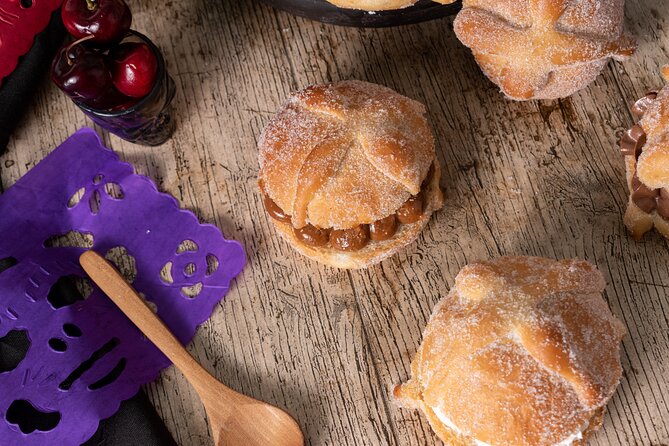
- The bread is the main event: Learn to make Pan de Muerto from ingredients through kneading, shaping, and baking.
- Its flavors have a story: Orange, anise, and bone-shaped decorations connect the loaf with Day of the Dead traditions.
- Hot chocolate comes with the lesson: You’ll prepare a high-cacao version to enjoy with the bread.
- Tacuba is part of the setting: The meeting point is Parroquia San Gabriel Arcángel, in a neighborhood with a history that predates Spanish arrival.
- The group stays small: A maximum of 10 people gives the class a more personal scale, though the lesson may run in more than one language.
- You take home a skill and a loaf: Recipes and cooking equipment are included, along with your finished Pan de Muerto.
A Tacuba Meeting Point With Local Roots
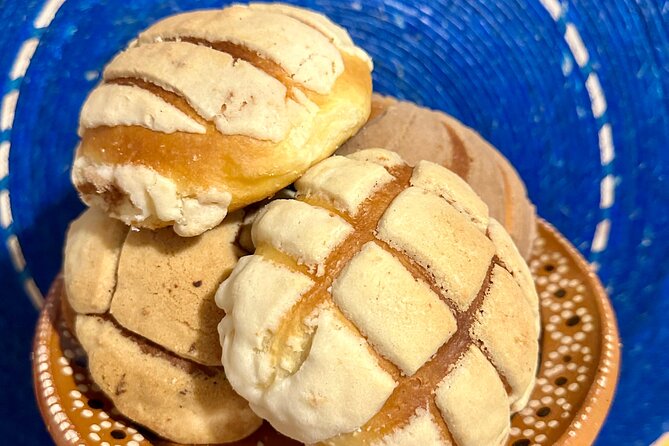
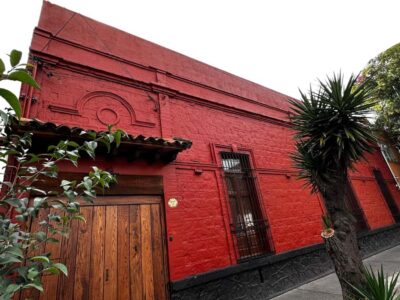
The class begins at Parroquia San Gabriel Arcángel, on Calz México-Tacuba in Tacuba. It is a useful starting point for more than directions: the setting connects the activity to an area with a past that reaches back before the Spanish arrived in the Americas.
That context matters. Pan de Muerto is not simply a seasonal baking project, and making it in Mexico City gives you a chance to connect the recipe with the place and its customs. The class presents the bread as part of Day of the Dead celebrations, with attention to both its ingredients and its symbolic details.
The church is the stated meeting point, and the activity ends there as well. Private transportation is not included, so you’ll need to make your own way to Tacuba. The location is near public transportation, which helps if you are getting around the city without a car.
One practical point: confirm the exact meeting instructions after booking, especially if you are unfamiliar with the area. The address is Calz México-Tacuba S/N, Tacuba, Miguel Hidalgo, 11490 Ciudad de México. The activity is a small-group class, not a transportation tour, so plan your route separately.
A few more Mexico City tours to consider
- Teotihuacan, Guadalupe Shrine & Tlatelolco Day Tour with Lunch
★ 5.0 · 11,603 reviews - Xochimilco, Coyoacan and Frida Kahlo with Optional Lunch
★ 4.5 · 7,320 reviews - Balloon flight + Breakfast in cave + Pyramids + Pick up CDMX.
★ 5.0 · 6,335 reviews
Making Pan de Muerto From Scratch
The heart of the class is hands-on baking. You’ll work through the steps of making Pan de Muerto, beginning with ingredient selection and continuing through kneading, shaping, and baking. That sequence is useful because it gives you more than a recipe to take home: you get to see how the stages fit together.
Kneading is where a recipe starts to feel physical. You can learn what the dough needs as you work it, rather than only reading a list of instructions. The class is designed for people who want an introduction to Mexican cuisine, so you do not need to arrive as an experienced baker.
Shaping gives the loaf its recognizable form. The bone-shaped decorations are a defining feature of Pan de Muerto, and the class explains their symbolism as you make them. This is a good reason to pay attention to the details rather than treating the decoration as a final flourish.
The bread’s flavor is another part of the lesson. Orange and anise bring a delicate aroma, and learning about those ingredients helps explain what makes this loaf different from an everyday sweet bread. You’ll get to handle the process and taste the result, a more memorable way to learn than simply watching someone else bake.
The class includes cooking equipment, so the basic tools for the lesson are provided. Recipes are included too, which gives you a reference for trying the bread at home. The stated plan is for you to take your finished loaf with you, along with the skills and recipe to make it again for a future celebration.
Hot Chocolate and the Day of the Dead Table
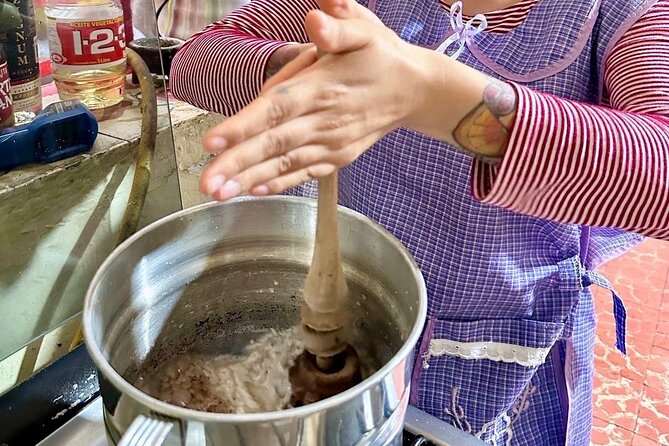
The class also includes making a high-cacao hot chocolate. It is intended to be enjoyed with the freshly baked bread, giving you a traditional pairing rather than leaving the baking lesson at the oven door.
That pairing makes practical sense: the chocolate offers a rich counterpoint to the bread’s orange and anise. More importantly, it gives you a chance to think about how the food is enjoyed, not just how it is made. The experience frames these flavors as part of a Day of the Dead celebration.
Pan de Muerto is often treated as a seasonal food, and this class offers context for the loaf’s place in that tradition. You’ll hear about its symbolic decorations and flavor elements while you work, so the recipe has a cultural frame as well as a set of baking steps.
Snacks are included: Pan de Muerto, an optional filled version, and chocolate with cacao. The filled bread is listed as optional, so do not assume it is part of every participant’s tasting. If you have questions about ingredients or dietary needs, ask before booking. The class is explicitly not gluten-free.
A Small Class, With One Language Caveat
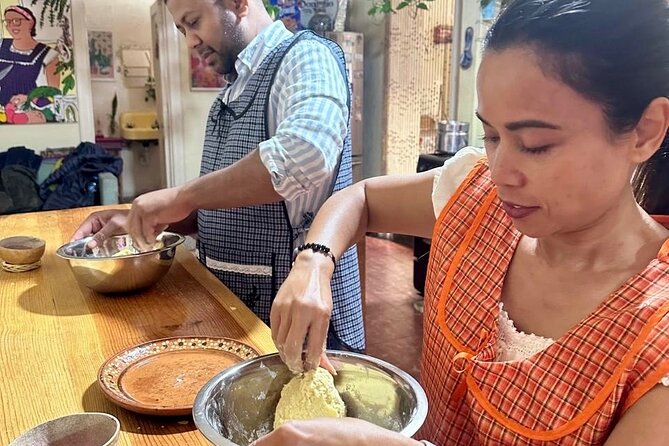
The maximum group size is 10. That is a sensible limit for a practical lesson: the class is small enough to support interaction and demonstration, while still allowing a group atmosphere. The experience is described as a chance to interact with local people, one of the more appealing parts of learning a food tradition in its home city.
Veronica and Natalia have led classes, and the instruction is described as friendly and clear. Veronica’s explanations and demonstrations have been specifically praised, as has her ability to guide each step. Natalia has also been associated with a warm, welcoming baking lesson. Since the particular instructor may vary, treat those names as helpful context rather than a guarantee of who will teach your session.
There is one language detail worth checking. The class can be conducted in more than one language at the same time. That may be fine if you are comfortable following a mixed-language lesson, but it could make the pace harder to track if you need every instruction in one language. Ask the provider about your preferred language and date before you book.
The experience is also described as flexible about timing: if you prefer a different day or time, the provider may be able to arrange it. That can be useful if your Mexico City plans are tight, but it is best to confirm availability rather than assume a custom slot is guaranteed.
Swap in a different kind of day:
- Teotihuacan pyramids morning or afternoon without tourist traps
★ 5.0 · 6,186 reviews - Teotihuacan Early Access Guided Tour with optional Lunch
★ 4.5 · 6,138 reviews - Balloon flight + pick up in CDMX + Breakfast in Cave + Pyramids
★ 5.0 · 5,651 reviews - Balloon Flight + Cave Breakfast + Pick Up from CDMX or We Fly
★ 5.0 · 4,410 reviews
Is $65 Good Value?
At $65 per person for about three hours, this is a focused cooking experience rather than a broad city tour. I’d judge the price by what you want from the time: hands-on baking, an introduction to Pan de Muerto’s cultural meaning, high-cacao chocolate, recipes, equipment, and a finished loaf to take home.
The value is strongest if you like learning by doing. You are not paying only to eat bread; you take part in making it and learn the sequence from ingredients to shaping and baking. The small group limit also makes a more interactive lesson possible than a large demonstration, although the class can still include multiple languages.
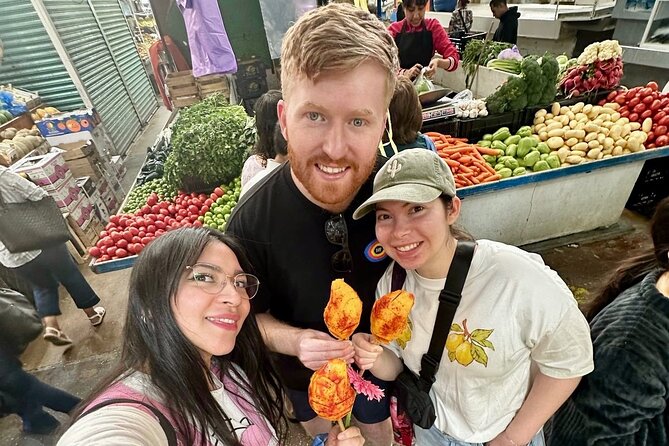
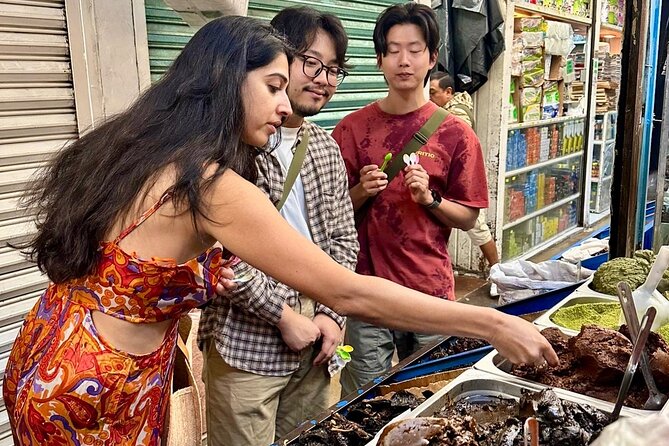
A market visit has been part of at least one version of the experience, and it may be a welcome extra if included in your session. The market outing was described as an unexpected part of the tour, with a chance to see goods and interact with local sellers. However, the core plan provided for this experience centers on the baking class, so don’t count on a market visit unless the provider confirms it for your date.
The typical booking is made about 17 days in advance. That is a helpful planning clue, not a requirement, and confirmation is normally sent at booking. If you book within an hour of departure, confirmation may take longer and depends on availability.
Free cancellation is available up to 24 hours before the start time. Changes made inside that window are not accepted, and cancellations within 24 hours are not refunded. The experience may also depend on suitable weather and a minimum number of participants; if the provider cancels for either reason, you’ll be offered another date or a refund.
Who Will Get the Most From This Class?
I’d recommend this class if you enjoy cooking, want a direct introduction to Mexican food traditions, or would like to bring home a recipe with a specific connection to Day of the Dead. It is also a good fit if you prefer a small activity with time to talk and ask questions rather than a quick tasting stop.
It may be especially appealing if you are visiting Mexico City outside the main holiday period but still want to understand one of the foods associated with the celebration. The lesson focuses on the bread’s ingredients, shape, and meaning, so the experience has value beyond the season when Pan de Muerto is most visible.
It is less suitable if you need gluten-free food, expect private transportation, or want a guaranteed one-language class. The supplied information does not specify other dietary accommodations, so check directly about allergies or substitutions. And if you are mainly looking for a market tour, confirm whether that element will be part of your session.
Should You Book It?
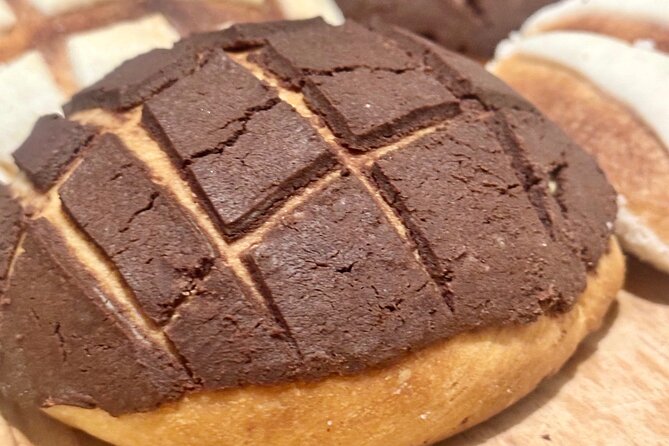
Book this class if you want to make Pan de Muerto rather than simply buy a loaf, and if you value the story behind its orange and anise flavors and bone-shaped decorations. The combination of practical baking, high-cacao chocolate, and a Tacuba meeting point makes the three hours feel connected to local food culture.
Before paying, confirm the session language, whether a market visit is planned, and any dietary concerns. If those details suit you, $65 buys a compact, hands-on activity with a recipe and your own bread to take home. That is a good fit for curious cooks, especially those who want a Mexico City experience that comes with something useful to recreate later.
FAQ
How long is the class?
The experience lasts about three hours.
Where does the activity start and end?
It starts and ends at Parroquia San Gabriel Arcángel, Calz México-Tacuba S/N, Tacuba, Mexico City.
What will I learn to make?
You’ll learn to make Pan de Muerto, including selecting ingredients, kneading, shaping, and baking. The class also includes making high-cacao hot chocolate.
Is food included?
Yes. Snacks include Pan de Muerto, an optional filled version, and chocolate with cacao.
Is the experience gluten-free?
No. The activity is not gluten-free.
How many people can join?
The maximum group size is 10 participants.
Is private transportation included?
No. Private transportation is not included. The meeting point is near public transportation.
New on the list in Mexico City
- Private & Tailor Made Tour to Teotihuacan Pyramids!★ 5.0 · 37 reviews
- Private Tour: Pyramids of Teotihuacan and Piramides of Atlantes de Tula★ 5.0 · 26 reviews
- Xochimilco Tour★ 5.0 · 26 reviews
- Private tour to Queretaro and San Miguel de Allende★ 4.0 · 10 reviews
- Private Street Food & Mural Art Tour in Mexico City★ 3.5 · 3 reviews
- Private tour Antropology Museum Frida Khalo museum and Leon Trotskyi museum★ 5.0 · 3 reviews
- Private Tour: Museum of Anthropology and Chapultepec Castle★ 5.0 · 3 reviews
- Teotihuacan Private Tour, Cave Breakfast and Transportation★ 5.0 · 51 reviews
Mexico City Tours, compared.
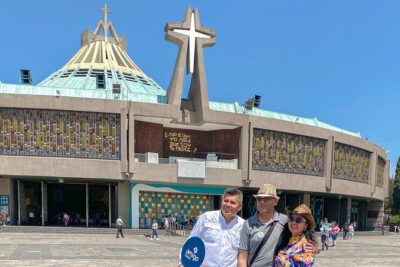
Teotihuacan, Guadalupe Shrine & Tlatelolco Day Tour with Lunch
Read our review →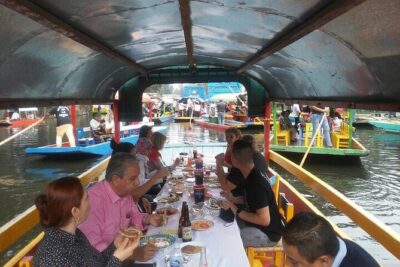
Xochimilco, Coyoacan and Frida Kahlo with Optional Lunch
Read our review →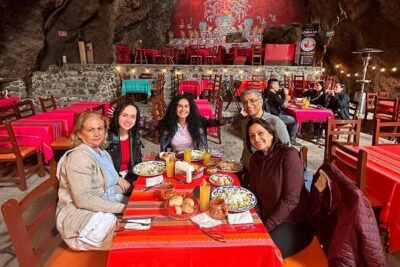
Balloon flight + Breakfast in cave + Pyramids + Pick up CDMX.
Read our review →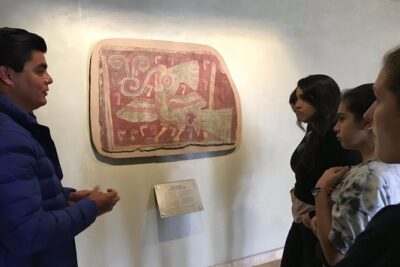
Teotihuacan pyramids morning or afternoon without tourist traps
Read our review →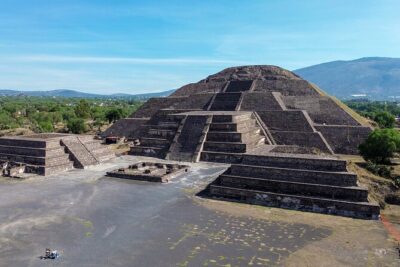
Teotihuacan Early Access Guided Tour with optional Lunch
Read our review →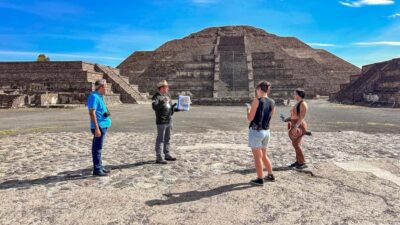
Teotihuacan, Tlatelolco & Guadalupe Shrine Tour
Read our review →
Teotihuacan Hot Air Balloon Flight from Mexico City / Volare
Read our review →