
Reviewed · ANTHROPOLOGY MUSEUM TOURS
Mexico City: Anthropology Museum Guided Visit
The National Museum of Anthropology holds objects from cultures across Mexico, but its scale can make a first visit feel like a history book with the pages shuffled. This guided visit connects the artifacts to the people who made and used them, from early hunters to the Maya, Aztec, and Zapotec.
I like two things in particular: a guide helps you focus on significant pieces instead of trying to see everything, and the tour leaves you free time to explore on your own afterward. Guides such as Leonardo, Giovanna, Alan, and Lili have been praised for making complex subjects clear and engaging, though your guide will depend on the date.
The main consideration is time and price. At $67 per person, this is more than museum admission alone, and 2.5 hours is enough for an overview, not a full visit. Some tours run longer, so leave room in your schedule.
Key points
- The museum is enormous: A guide gives you a route through major exhibits without asking you to cover every room.
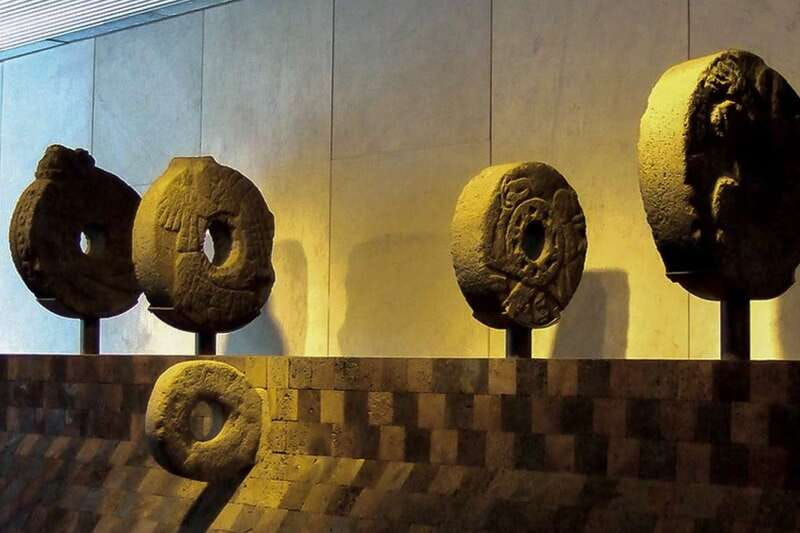
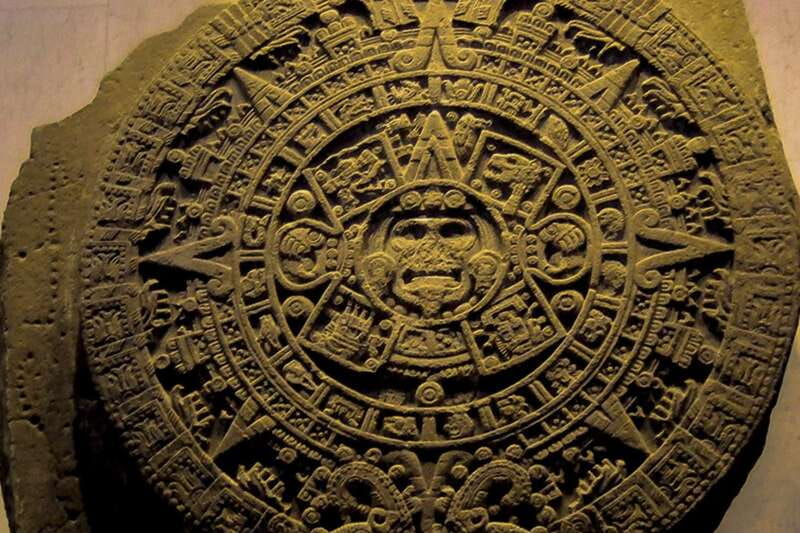
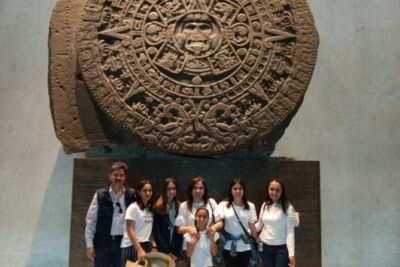
- Objects span thousands of years: Expect ancient spear points, everyday clay pieces, and major works such as the Stone of the Sun.
- Context is the chief benefit: Your guide explains how objects relate to Mexican cultures and identity, not just what they are.
- English and Spanish tours are available: This can be especially useful when you want explanations beyond the museum’s Spanish-language exhibit text.
- You get independent time afterward: Stay with the group for the guided portion, then return to displays that interest you.
- The schedule may stretch: The stated visit is 2.5 hours, but some tours last longer when questions and explanations add up.
Why a guide helps in a museum this large
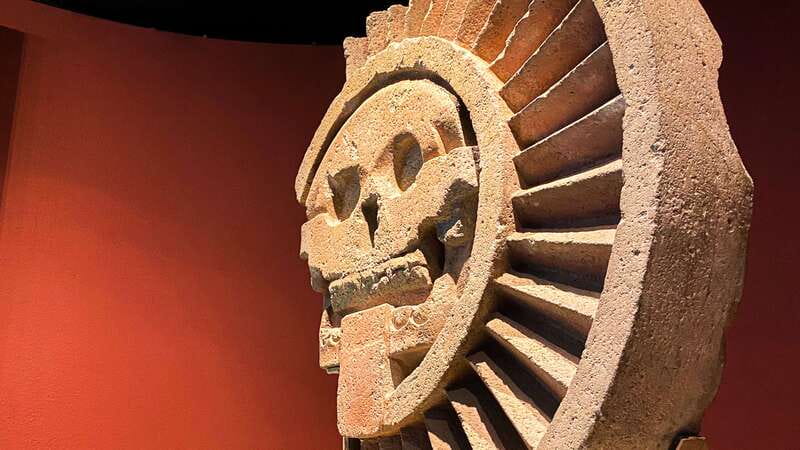
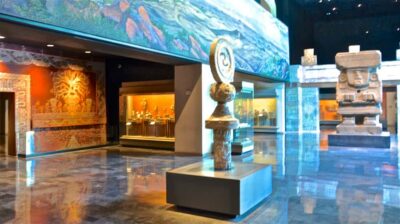
The National Museum of Anthropology is Mexico’s most popular museum, attracting about two million people a year. Its collections bring together objects excavated from archaeological sites across the territory that is now Mexico. That breadth is exciting, but it also presents a practical problem: there is far more here than you can absorb in a short visit.
A guide provides a path through the material. Rather than drifting from one display to another, you can follow a broad account of how people lived, made tools, used objects in daily life, and expressed beliefs through ritual. That context makes a small object feel less like a label in a case and more like a trace of a life.
I especially value this approach if you are new to Mesoamerican history. The museum covers many cultures and periods, and without a framework, names and dates can blur together. Guides including Leonardo, Giovanna, Alan, Lili, Hector, and Roberto have been praised for clear explanations, well-paced routes, and answers to questions. Those names give you a sense of the guide style available, but no particular guide is guaranteed.
More Anthropology Museum tours around Mexico City:
- Chapultepec Castle & Anthropology Museum Tour
★ 4.5 · 1,348 reviews - Anthropology Museum Guided Tour
★ 4.5 · 1,035 reviews - Mexico City: Chapultepec Castle and Anthropology Museum Tour
★ 4.5 · 637 reviews
Meeting at the museum entrance
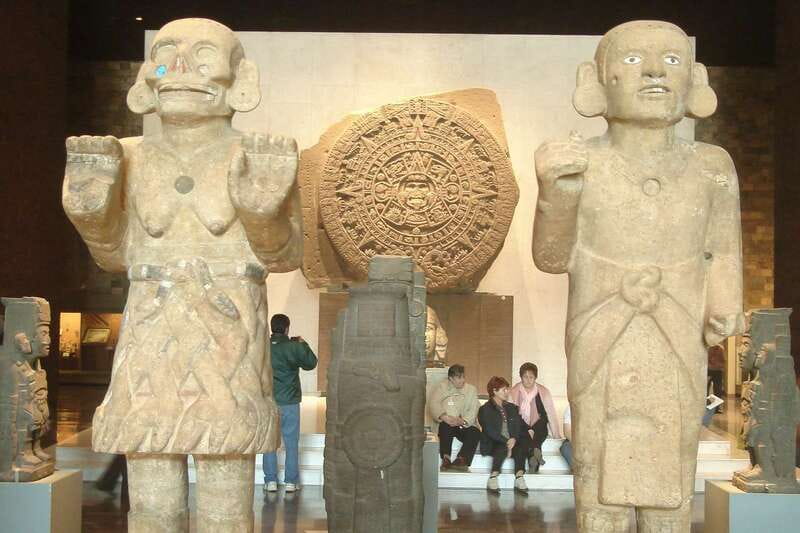
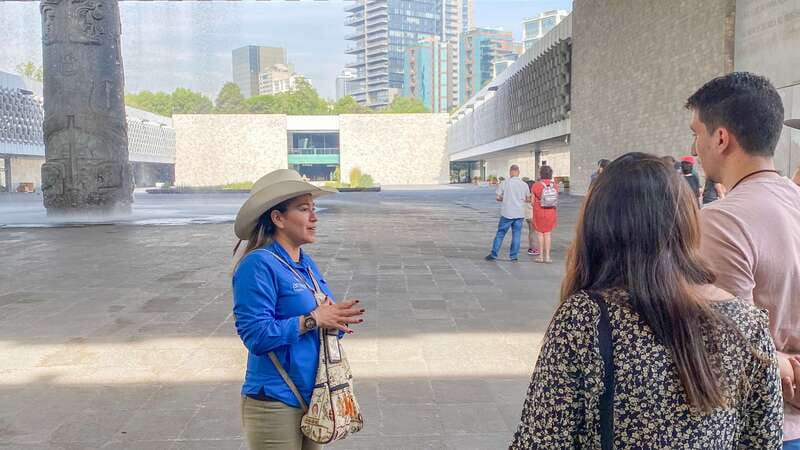
The tour begins at the flagpole next to the museum’s main entrance. The meeting time is 8:50 am, so plan to arrive a little early and find the flagpole before then. The tour starts and ends at the museum, with no hotel pickup or transportation included.
The entry fee is included, and the activity offers skip-the-ticket-line access. That saves you from having to arrange admission separately, while the guide gets the group into the museum and on with the visit. Food and drinks are not included, so plan around the 2.5-hour schedule, especially if you prefer to eat before a morning tour.
The provided tour information does not specify a standard group size. One participant described a group of about 20, which is worth keeping in mind if you prefer a quieter, more personal visit. A private group is available, and a family tour tailored to your needs can also be offered if you choose that option.
From spear points to everyday clay
One of the most useful parts of the route is the attention to modest objects. In a museum full of visually striking pieces, it is easy to pass over small finds. Your guide may point out spear points used by early hunters on the continent more than 10,000 years ago, helping you picture practical skills and daily survival before grand monuments and famous empires enter the story.
You will also see simple clay pieces used in ordinary life and in religious ceremonies. These objects make the past feel less distant. A tool or vessel can tell you about work, food, belief, and the routines that rarely get the same attention as rulers and temples.
This shift from small finds to monumental works gives the tour its useful shape. You begin with evidence of daily life, then build toward larger questions about how societies developed and how historians understand them. The guide’s job is to make those links clear without turning the visit into a string of dates.
The Stone of the Sun and the major cultures
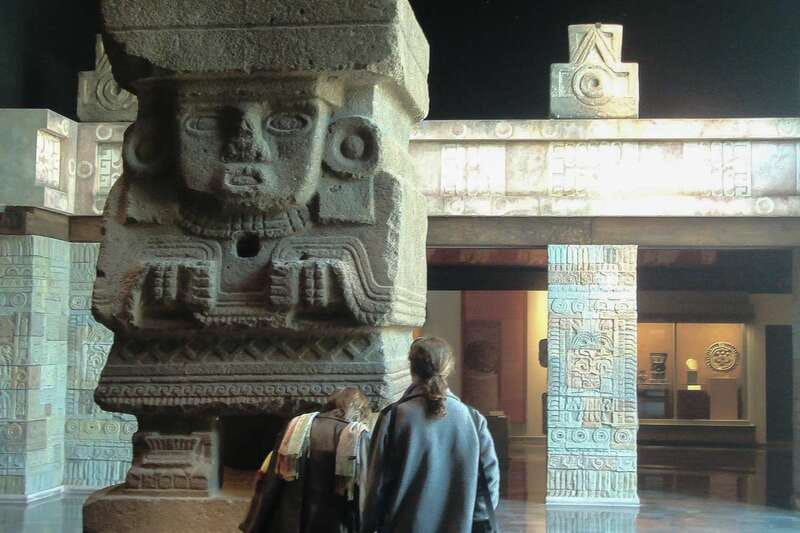
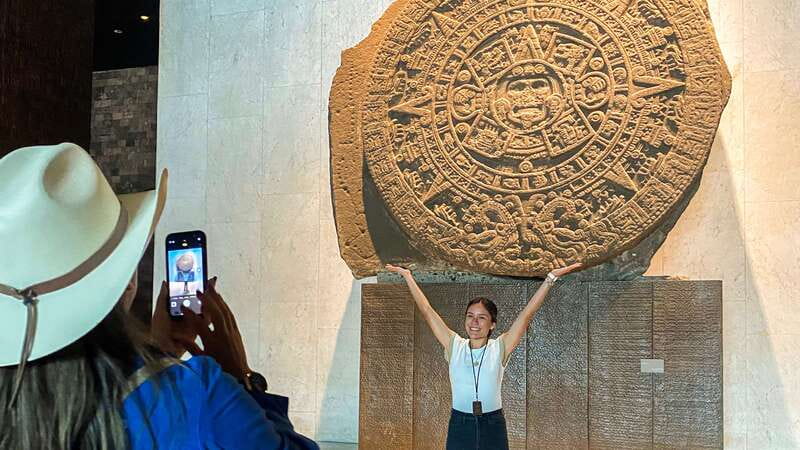
The Stone of the Sun, often called the Aztec calendar stone, is one of the museum’s headline objects. It is an impressive centerpiece, but a guide can help you look past its size and learn why it matters. The meaning of such objects is not always obvious at first glance, and their place in Mexican history goes beyond being a famous photo stop.
The tour also introduces the Maya, Aztec, and Zapotec cultures, among others. The point is not to flatten them into one story. They belong to different cultural traditions, and the objects in the museum show varied ways of living, making, and expressing religious ideas.
A good guide links these exhibits while explaining where the evidence has led historians to rethink the development of Mesoamerican peoples. That matters because the museum is not simply a hall of old things. It is a place where objects help build, challenge, and refine our understanding of the past.
Guides such as Giovanna have been singled out for explaining how ancient gods and cultures connect to Mexican identity. Others, including Alan and Antonio, have been praised for weaving individual artifacts into a broader account. That kind of narrative is the strongest reason to book a guided visit: you leave with a structure for what you have seen, rather than a camera roll of impressive objects and little sense of how they fit together.
More museum tours around Mexico City:
- CDMX: Xochimilco, Coyoacan, Frida Kahlo Museum & Murals Tour
★ 4.4 · 3,025 reviews - Frida Kahlo VIP [Museum Tickets Included] Bike, Markets & Churros
★ 5.0 · 1,072 reviews - Frida Kahlo VIP [Museum Tickets Included] Walk, Markets & Churros
★ 5.0 · 982 reviews - EXCLUSIVE TOUR Frida Kahlo Museum – SMALL GROUPS
★ 5.0 · 901 reviews
A brisk introduction, not a complete museum visit
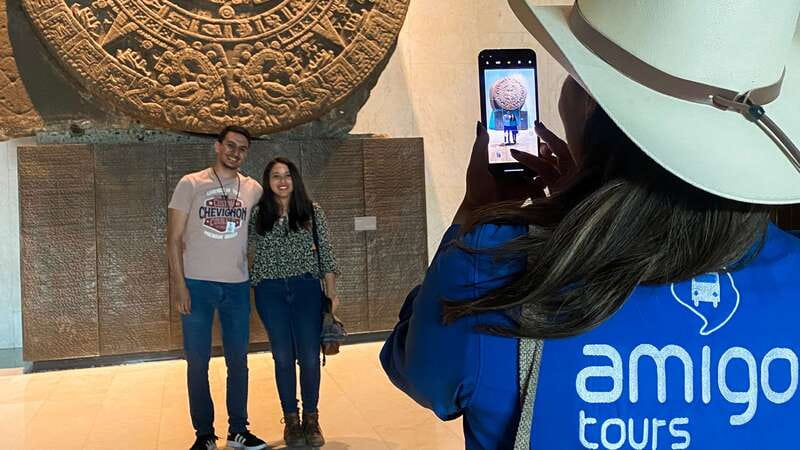
The planned visit lasts 2.5 hours. That is enough for a guided overview of selected highlights, but not enough to examine every room at length. The museum is large enough that you could easily spend much longer there, and one person who had visited felt it deserved at least two days for a thorough look.
The tour is therefore best treated as an introduction. Your guide chooses key areas and keeps the group moving, which can be a relief when the number of exhibits feels overwhelming. The trade-off is that you may have to pass displays you would happily study for longer.
Timing can vary. Some visits take closer to three hours, while one participant said the tour lasted nearly five hours and had to leave early for another commitment. That is not the scheduled duration, but it is a good reason to avoid booking a tight follow-up appointment. Ask your guide about timing at the start if you have plans later in the day.
At the end, you get free time to explore on your own. Use it to revisit an exhibit you rushed past, look more closely at a room that caught your attention, or follow your own interests beyond the guided route. This independent time makes the format more flexible than a tour that ends as soon as the guide’s explanation does.
English-language context and guide style
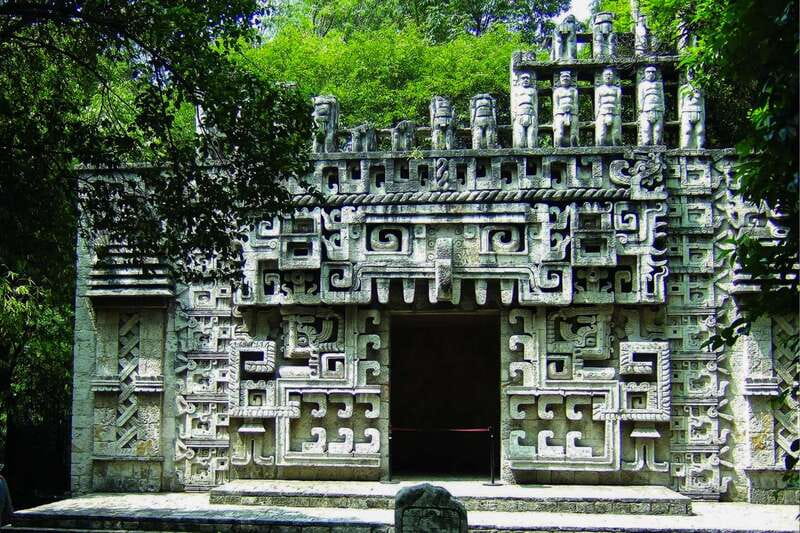
English and Spanish are the stated tour languages. This is a practical advantage if you want clear explanations in English, especially since many exhibit descriptions are in Spanish. A guide can make the visit easier to follow without requiring you to translate each label or rely on a quick look at an object.
The individual guides bring different personalities to the route. Leonardo has been praised for making a long span of Mesoamerican history easy to follow. Giovanna and Lili have been noted for clear, warm explanations, while Hector has been praised for making the timeline understandable and keeping the group engaged. Alan’s storytelling has also been credited with connecting separate pieces into a larger account.
That does not mean every guide will use the same approach, and you should not assume you can select a particular person. The available languages and option for a private group are more reliable details to plan around than a specific guide assignment. If you have questions or a strong interest in archaeology, bring them along. The guided format is most rewarding when you take part rather than simply follow the group.
Is $67 a fair price?
At $67 per person, the price is for more than entry. It includes admission, a guide, and a route through a museum where the scale and subject matter can be difficult to navigate alone. If you value interpretation and have limited time in Mexico City, those services can make the difference between a meaningful overview and a hurried walk through galleries.
Still, this is not the cheapest way to see the museum. One participant compared the tour price, about 1,100 pesos at the time, with admission alone at around 200 pesos and considered the difference high for a group of roughly 20. Those figures are a useful reminder to weigh how much you want the guide’s explanations, but they are not a current exchange-rate or ticket-price guarantee.
I would pay for the tour if this museum is a priority and you want a structured introduction to pre-Columbian cultures. If you already know the subject well, speak Spanish comfortably, or prefer to linger at your own pace, independent entry may suit you better. The guided visit buys focus and context, not more hours inside the building.
Who will get the most from this visit
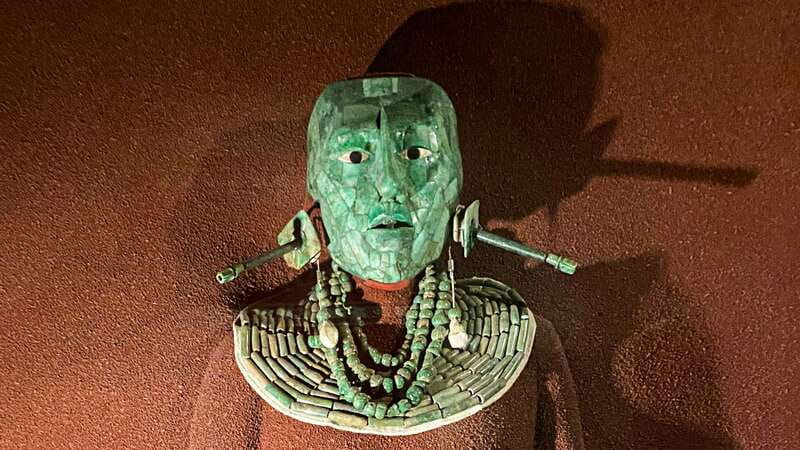
This tour is a strong fit for first-time visitors to the museum, history and archaeology fans, and anyone who wants an overview before visiting archaeological sites elsewhere in Mexico. A participant found the museum visit useful preparation for Teotihuacan the next day, which points to a good way to use the tour: build a basic understanding here, then recognize related ideas and objects as you continue your trip.
It can also suit families if you select the tailor-made family tour option. The available information does not spell out the age range or exact adjustments, so check the selected option before booking if you need a particular format. For a group that wants to ask many questions or move at its own pace, the private-group option may be worth considering.
You might prefer to go independently if your main goal is to study a few galleries at length. The guided route puts emphasis on the highlights, and the clock can feel quick when a subject catches your interest. The best compromise is often to take the tour first, then use the included free time to return to the rooms you want to see again.
Should you book the Anthropology Museum tour?
Book this tour if you want the museum to make sense, not just look impressive. The strongest benefit is a guide who can connect objects, eras, and cultures in a way that is hard to get from a quick visit, particularly if you do not read Spanish. You also get admission and time to explore on your own afterward.
Skip it if you would rather spend the day independently or are watching every peso. At $67, the added value depends on how much you want expert interpretation and a clear route through a very large collection. If you book, keep your schedule open after the tour, bring questions, and treat the guided portion as the beginning of your museum visit rather than the final word.
FAQ
How long is the guided visit?
The stated duration is 2.5 hours. Some visits may run longer, so avoid making close-fitting plans afterward.
Where do I meet the guide?
Meet at the flagpole next to the main entrance of the National Museum of Anthropology.
What time should I meet the guide?
The stated meeting time is 8:50 am.
Is museum admission included?
Yes. Admission to the National Museum of Anthropology is included.
What languages are available?
The live tour guide is available in Spanish or English.
Is transportation included?
No. Hotel pickup, drop-off, and transportation are not included. The tour starts and ends at the museum.
Is there time to explore independently?
Yes. The guided visit includes free time to explore the museum on your own afterward.
Is a private or family tour available?
A private group is available, and a family tour tailored to your needs is offered if you select that option.
New on the list in Mexico City
- Private & Tailor Made Tour to Teotihuacan Pyramids!★ 5.0 · 37 reviews
- Private Tour: Pyramids of Teotihuacan and Piramides of Atlantes de Tula★ 5.0 · 26 reviews
- Xochimilco Tour★ 5.0 · 26 reviews
- Private tour to Queretaro and San Miguel de Allende★ 4.0 · 10 reviews
- Private Street Food & Mural Art Tour in Mexico City★ 3.5 · 3 reviews
- Private tour Antropology Museum Frida Khalo museum and Leon Trotskyi museum★ 5.0 · 3 reviews
- Private Tour: Museum of Anthropology and Chapultepec Castle★ 5.0 · 3 reviews
- Teotihuacan Private Tour, Cave Breakfast and Transportation★ 5.0 · 51 reviews
Anthropology Museum Tours, compared.
Chapultepec Castle & Anthropology Museum Tour
Read our review →
Anthropology Museum Private Experience Walking Tour
Read our review →
5 Hour Tour through Chapultepec, Anthropology Museum and Castle
Read our review →
Teotihuacan & Anthropology Museum, Templo Mayor & City Tour
Read our review →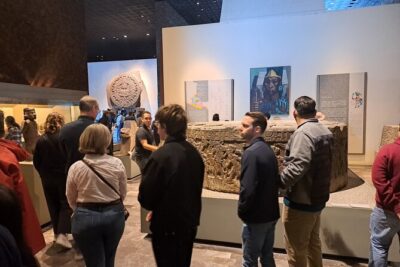
Tour Museum of Anthropology a trip to the past-Small groups
Read our review →
Private Walking Tour Anthropology Museum & Chapultepec Castle
Read our review →Browse the lists this tour appears in