Reviewed · MEXICO CITY TOURS
Mexico City Poetry Tour
Mexican poetry can make the history around you feel close at hand. On this two-hour tour, you read poems at the very sites that frame their subjects, from the House of Tiles to the archaeological remains of the Templo Mayor. It is a literary way to get to know the Centro Histórico, not a standard monument-by-monument tour.
I like the range of voices, from Sor Juana Inés de la Cruz to Nezahualcóyotl, and the way the stops connect poetry to questions of identity, faith and conquest. I also like that the group is capped at 15 people, which should leave room for conversation rather than turning each reading into a lecture for a crowd.
One consideration: this tour works best if you are comfortable listening to poetry and discussing its meaning. You spend a full hour at the first stop, and snacks or restaurant purchases there are not included in the $53.74 price.
Key points to know before you book
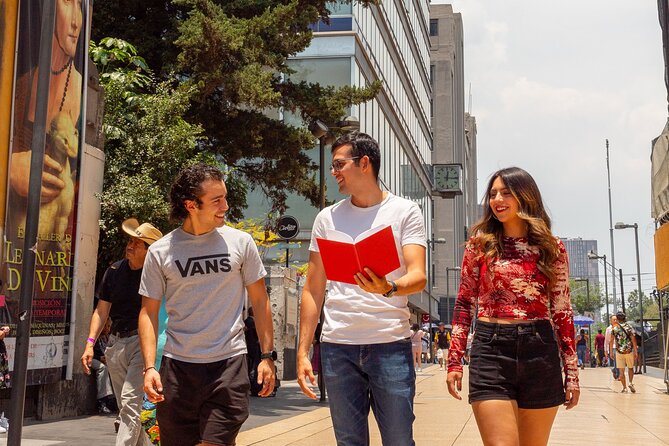
- Four Centro Histórico sites: The route links the House of Tiles, San Francisco’s atrium, the Zócalo and the Templo Mayor’s archaeological windows.
- Poetry tied to place: Readings connect Mexican identity, religious syncretism and Indigenous testimony to the locations around you.
- A broad range of writers: The program includes Octavio Paz, Jaime Sabines, Sor Juana Inés de la Cruz and Nezahualcóyotl.
- Two hours, with a long opening stop: The House of Tiles takes about an hour; each of the remaining stops is scheduled for 20 minutes.
- English offered, bilingual guide included: The experience is offered in English and includes a bilingual guide.
- A small group, but not a private tour: The maximum group size is 15.
Poetry gives the Centro Histórico another voice
The tour’s central idea is simple and useful: read Mexican poets in places that help give their words context. Rather than treating the Centro Histórico as a string of façades and monuments, the experience uses poems to open a conversation about who has shaped Mexico’s history and how that history is remembered.
The selection spans different traditions. José Vicente Figueroa, Octavio Paz and Jaime Sabines frame the opening discussion of loneliness and communion as elements of Mexican identity. At San Francisco, Sor Juana brings New Spain poetry and religious life into focus. In the Zócalo, the Anonymous of Tlatelolco offers Indigenous testimony against the conquest. The final reading turns to Nezahualcóyotl, a poet who was also emperor of Texcoco and an engineer.
That variety is the tour’s main strength. You are not asked to follow one poet or one period. Instead, the readings create a compact route through several ways of seeing Mexican history: personal and communal, religious and mythical, Indigenous and colonial.
The bilingual guide is included, and the tour is offered in English. The available details do not explain how the readings are presented in each language, so if you need a particular language arrangement, ask when booking. A review identifies José as a guide who suggested additional sites beyond the tour. That is a helpful sign of local recommendations, but the guide’s name is not confirmed for every departure.
A few more Mexico City tours to consider
- Teotihuacan, Guadalupe Shrine & Tlatelolco Day Tour with Lunch
★ 5.0 · 11,603 reviews - Xochimilco, Coyoacan and Frida Kahlo with Optional Lunch
★ 4.5 · 7,320 reviews - Balloon flight + Breakfast in cave + Pyramids + Pick up CDMX.
★ 5.0 · 6,335 reviews
An hour at the House of Tiles
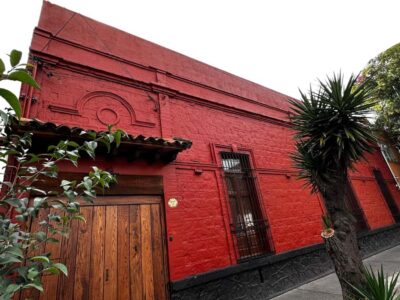
The tour begins at the Casa de los Azulejos, also known as the House of Tiles. The listed address is Av. Francisco I. Madero 4, in the Centro Histórico. The building now houses a Sambors restaurant, and the group spends about an hour here reading poems by José Vicente Figueroa, Octavio Paz and Jaime Sabines.
This is the longest stop by far. The extra time gives the opening conversation room to develop around loneliness and communion, two themes the tour uses to consider Mexican identity. If you like to talk through what a poem suggests rather than simply hear it read aloud, this is likely to be the most rewarding part of the experience.
There is a practical wrinkle: the restaurant is not included in the price, and snacks have a variable cost. You do not need to budget for a meal as part of the tour, but any food or drink you choose to buy is extra. The supplied details do not say that a purchase is required.
I also like that the first stop gives you time to settle into the tour’s format. Poetry readings can feel less familiar than a conventional guided walk, especially if you are visiting with someone who is not a literature enthusiast. Here, the opening hour gives you a chance to see how the guide connects a text to the place and to the group’s discussion.
Sor Juana in San Francisco’s atrium
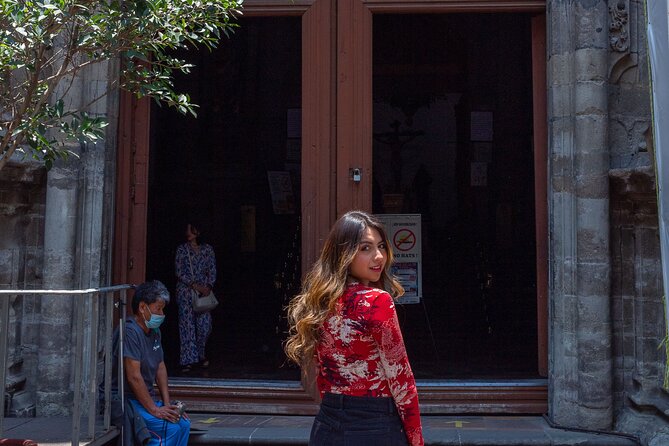
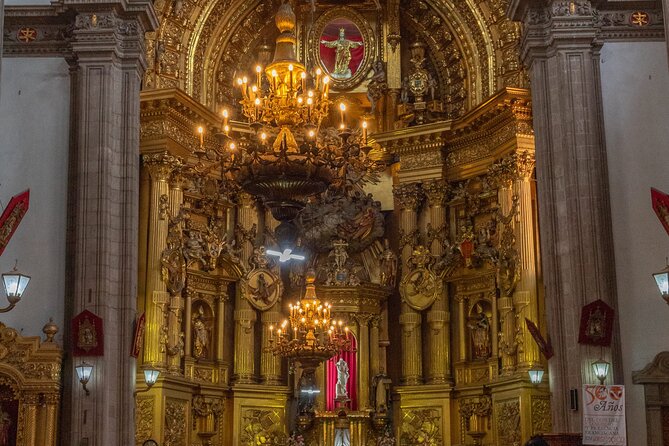
The second stop is the atrium of the Templo de San Francisco, where the group spends about 20 minutes reading Sor Juana Inés de la Cruz. The tour describes her as the greatest reference in New Spain poetry, and uses her work to discuss the religious and mythical dynamics of Mexican syncretism.
The setting makes this a shift in tone from the first stop. The conversation moves from loneliness and communion to the way religious and mythical ideas meet in Mexican culture. You do not need to arrive with specialist knowledge of poetry to follow the theme, but an interest in how faith and cultural traditions interact will help you get more from the discussion.
The stop is brief, so expect a focused reading and conversation rather than a long visit to the church. The tour specifies the atrium, not a broader exploration of the building. That boundary is worth keeping in mind if you are hoping for a detailed architectural or religious-history tour.
The Zócalo and an Indigenous account of conquest
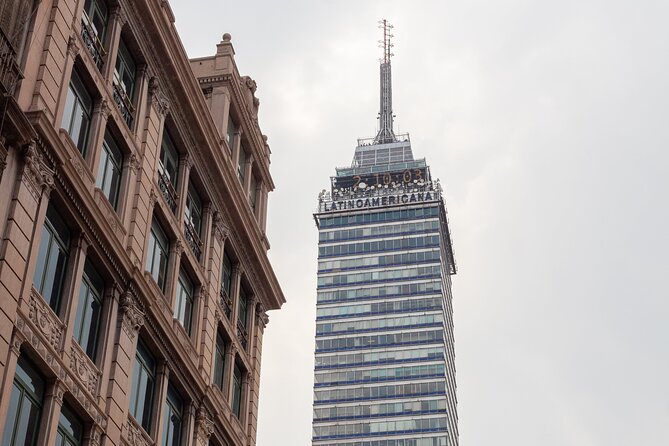
At the Zócalo, the group reads the Anonymous of Tlatelolco, described as Indigenous testimony against the conquest of Mexico. The reading takes place in the city’s central square, in front of the government palace, and is scheduled for about 20 minutes.
This is the tour’s clearest encounter with the conflict between Indigenous experience and Spanish conquest. The location gives that account a public setting, while the poem brings a voice into the conversation that a tour focused only on grand civic sites might leave out. You are not just hearing about conquest as a distant event; you are considering testimony from the people who experienced it.
The stop is short, so the guide will have to keep the discussion selective. If you want an extended account of the conquest or a detailed visit to the government palace, this is not the place to expect one. The value here lies in the pairing of a specific text with a powerful civic setting.
The Zócalo is also listed as the tour’s end point, while the final described reading is at the Templo Mayor. Since those details do not line up exactly, confirm the precise finish point with the operator before you go, especially if you have plans immediately afterward.
Swap in a different kind of day:
- Teotihuacan pyramids morning or afternoon without tourist traps
★ 5.0 · 6,186 reviews - Teotihuacan Early Access Guided Tour with optional Lunch
★ 4.5 · 6,138 reviews - Balloon flight + pick up in CDMX + Breakfast in Cave + Pyramids
★ 5.0 · 5,651 reviews - Balloon Flight + Cave Breakfast + Pick Up from CDMX or We Fly
★ 5.0 · 4,410 reviews
Nezahualcóyotl at the Templo Mayor

The final stop is at the archaeological windows of the Templo Mayor, viewed from outside. Here, the group reads Nezahualcóyotl, identified as an Indigenous poet, emperor of Texcoco and engineer. His work is presented as representative of mythical poetry from before the Spanish conquest.
This stop adds an important perspective to the sequence. After the Zócalo reading of Indigenous testimony against conquest, Nezahualcóyotl’s poetry points toward a world that existed before that upheaval. The tour does not simply end with a general account of what was lost; it brings attention to an Indigenous poet and leader in his own right.
Be clear about what is and is not included. The reading takes place at the archaeological windows from outside, and the tour does not list museum admission. If you want to explore the Museo del Templo Mayor itself, treat that as a separate visit rather than assuming the poetry tour includes entry.
The final 20-minute stop is a compact close to the route. It is likely to appeal most if you enjoy having a poem linger in your mind after a visit, rather than needing a long explanation of every archaeological feature.
What $53.74 buys you
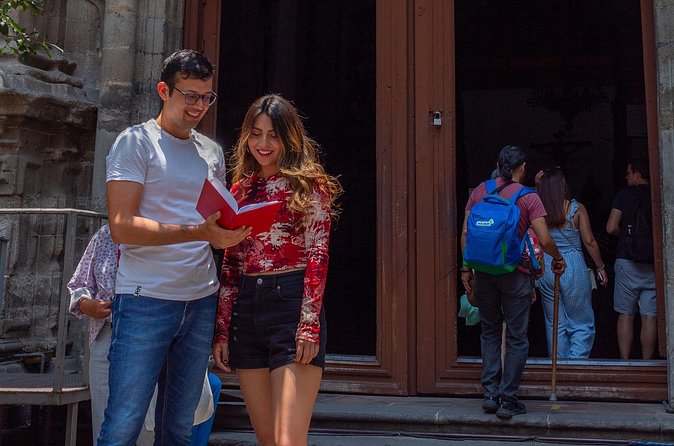
At $53.74 per person, this is not the cheapest way to spend two hours in the Centro Histórico. Its value depends on what you want from a guided experience. You are paying for a bilingual guide, a planned selection of poetry and a thematic route that links four locations to questions of Mexican identity, religion and conquest.
That is a different proposition from a broad sightseeing tour. The listed stops do not include admission charges, and snacks are not included. The experience is about readings and conversation in historic settings, not access to paid attractions or a meal. If you mainly want a quick overview of the area’s major monuments, you may find a more conventional tour better suited to your plans.
For a reader or poetry lover, the price can make sense because the guide supplies a framework you might not create on your own. One account specifically noted that José recommended other sites beyond the route, including places the person would not otherwise have found. That kind of practical local suggestion can add value, though it is not a guaranteed feature of every tour.
The tour is booked an average of nine days ahead. That is a planning clue, not a rule, but it makes sense to reserve early if your dates are fixed. The group size is limited to 15, so the experience is small enough for a more personal discussion, though it is not private.
Who will get the most from this tour
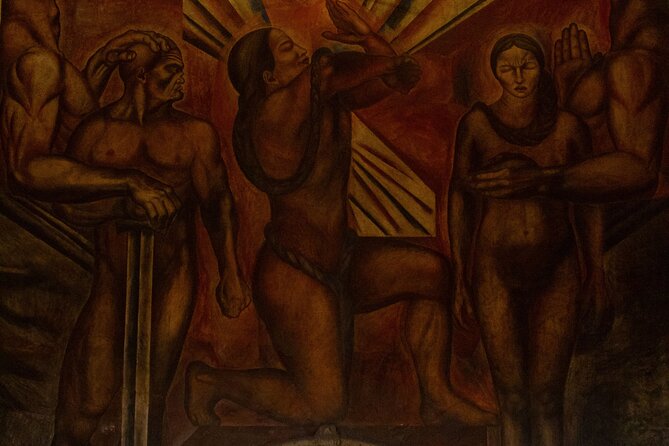
I would choose this experience if you enjoy poetry, cultural history or unusual ways of seeing familiar city sights. It suits readers who want more than a photo stop and are willing to spend time listening, reflecting and talking about what a text means in its setting.
It can also work well for a mixed-interest group if everyone is open to a literary approach. The tour uses well-known historical themes, including colonialism and religious syncretism, to make the readings accessible. Still, if one person in your group has little patience for poetry, the one-hour opening stop may feel long.
The guide’s recommendations may be a bonus if you are looking for ideas beyond the route. The named account of José points to suggestions for additional sites, but you should not book on the assumption that a particular guide will lead your departure. The confirmed feature is a bilingual guide.
The experience is offered in English, takes about two hours and has a maximum group size of 15. Most people can participate, and the stops are near public transportation. The tour provides mobile tickets, with confirmation received at booking. Free cancellation is available up to 24 hours before the start time; cancellations made later are not refunded, and changes within that window are not accepted.
Should you book the Mexico City Poetry Tour?
Book it if you want to hear Mexican poetry in the places that help frame its history, and if a thoughtful two-hour conversation sounds more appealing than a fast list of landmarks. The strongest feature is the pairing of distinct voices with specific settings, especially the Indigenous testimony at the Zócalo and Nezahualcóyotl near the Templo Mayor.
Skip it if you want a broad architectural tour, museum entry or a tightly paced walk with little discussion. At $53.74, this is a specialist experience, but its mix of poetry, place and history gives it a clear purpose. If that is the kind of perspective you want from Mexico City, it is a distinctive way to spend two hours.
FAQ
How long is the Mexico City Poetry Tour?
The tour lasts about two hours. The House of Tiles stop is scheduled for one hour, followed by three stops of about 20 minutes each.
What is the price?
The listed price is $53.74 per person.
Is the tour offered in English?
Yes. The tour is offered in English, and a bilingual guide is included.
Where does the tour start?
It starts at Casa de los Azulejos, at Av Francisco I. Madero 4 in the Centro Histórico.
Where does the tour end?
The meeting details list the Zócalo as the end point. The described final poetry stop is at the Templo Mayor’s archaeological windows, so confirm the exact finish point with the operator.
Are snacks included?
No. Snacks are not included. The first stop is at a restaurant, where any food or drink you buy has a variable cost.
How large is the group?
The tour has a maximum of 15 people.
Can I cancel for a refund?
You can receive a full refund if you cancel at least 24 hours before the start time. Cancellations made less than 24 hours before the experience are not refunded.
New on the list in Mexico City
- Private & Tailor Made Tour to Teotihuacan Pyramids!★ 5.0 · 37 reviews
- Private Tour: Pyramids of Teotihuacan and Piramides of Atlantes de Tula★ 5.0 · 26 reviews
- Xochimilco Tour★ 5.0 · 26 reviews
- Private tour to Queretaro and San Miguel de Allende★ 4.0 · 10 reviews
- Private Street Food & Mural Art Tour in Mexico City★ 3.5 · 3 reviews
- Private tour Antropology Museum Frida Khalo museum and Leon Trotskyi museum★ 5.0 · 3 reviews
- Private Tour: Museum of Anthropology and Chapultepec Castle★ 5.0 · 3 reviews
- Teotihuacan Private Tour, Cave Breakfast and Transportation★ 5.0 · 51 reviews
Mexico City Tours, compared.
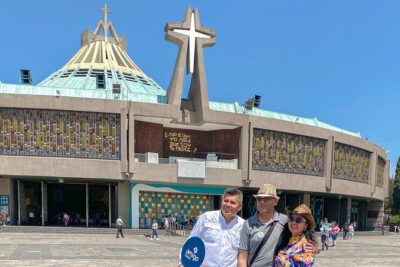
Teotihuacan, Guadalupe Shrine & Tlatelolco Day Tour with Lunch
Read our review →
Xochimilco, Coyoacan and Frida Kahlo with Optional Lunch
Read our review →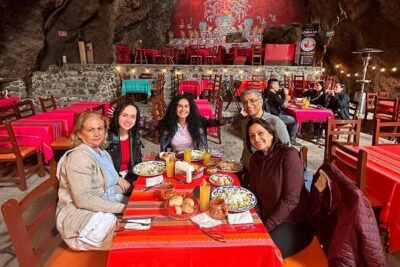
Balloon flight + Breakfast in cave + Pyramids + Pick up CDMX.
Read our review →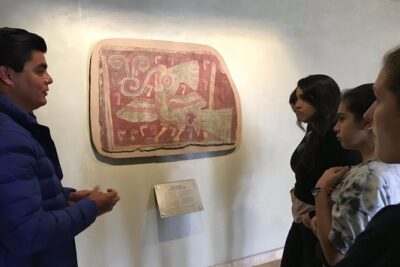
Teotihuacan pyramids morning or afternoon without tourist traps
Read our review →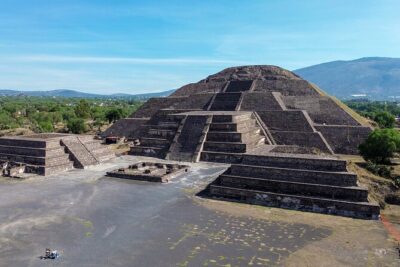
Teotihuacan Early Access Guided Tour with optional Lunch
Read our review →
Teotihuacan, Tlatelolco & Guadalupe Shrine Tour
Read our review →
Teotihuacan Hot Air Balloon Flight from Mexico City / Volare
Read our review →