Reviewed · MEXICO CITY TOURS
Mexico City: Ticket de entrada Museo Memoria y Tolerancia
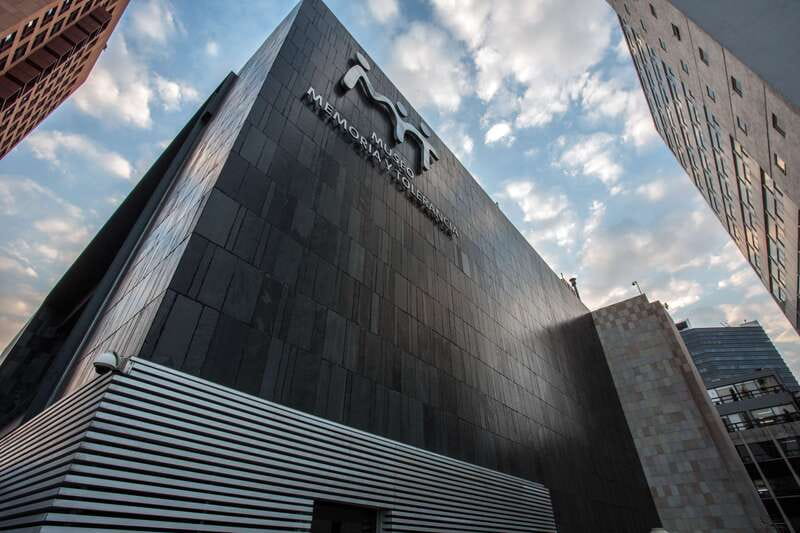
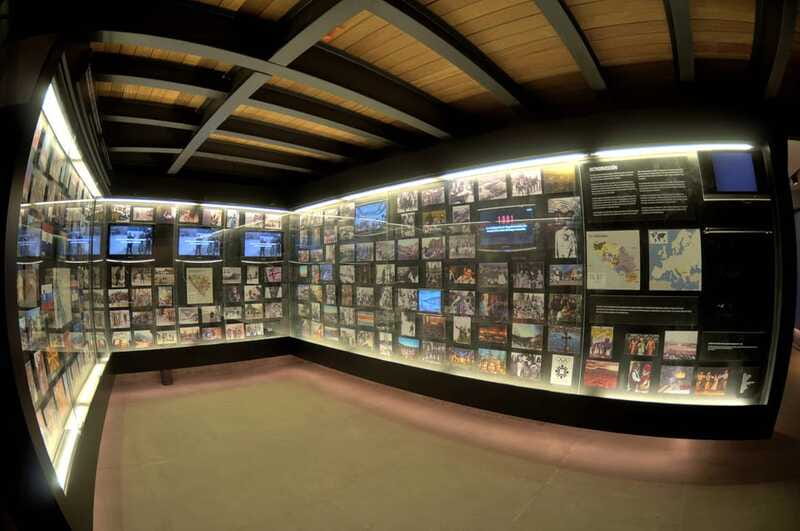
The Memory and Tolerance Museum asks a hard question: what happens when societies look away from discrimination and violence? Its 43 rooms examine the Holocaust and other crimes against humanity, then connect historical memory to tolerance, human rights, and social action. This is not a quick collection of objects to skim. It is a serious visit that asks you to think as well as look.
I like two things in particular: the breadth of the permanent exhibitions, which address several countries and conflicts, and the way art and large-scale installations give the subject a visual dimension. One consideration: the material can be upsetting, and the museum recommends the permanent exhibitions for visitors older than 15.
Key points to know
- Forty-three permanent exhibition rooms cover the Holocaust and genocides and mass atrocities in places including Armenia, Rwanda, Guatemala, Cambodia, Darfur, and Yugoslavia.
- More than 1,200 objects, documents, and audiovisual pieces give the historical displays a substantial range.
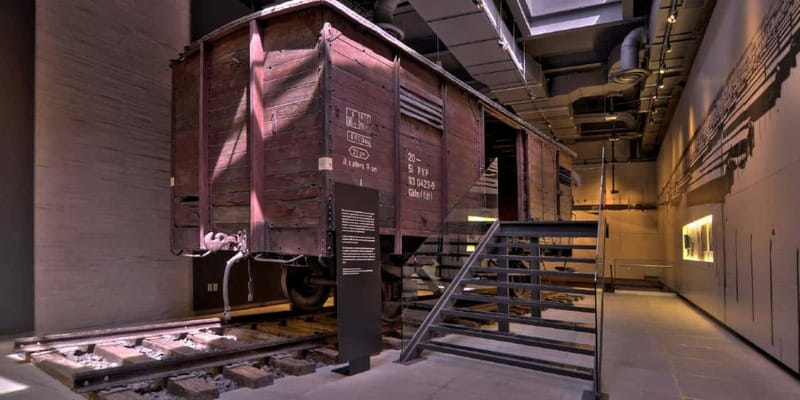
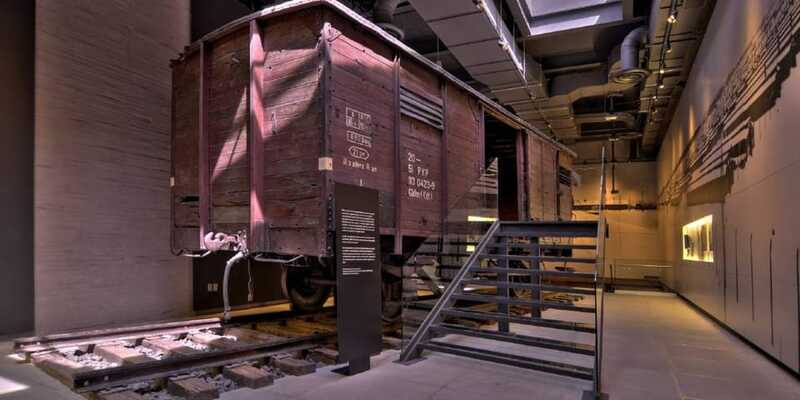
- Art and memorial installations include a World War II prisoner transport wagon, a fragment of the Berlin Wall, and works by Jan Hendrix, Jorge Marín, and Rivelino.
- The ticket includes a Spanish or English audio guide and access to temporary exhibitions.
- Plan for a reflective visit, not a light museum stop. Children under 15 must be accompanied by an adult, and the permanent exhibitions are recommended for ages 15 and up.
A museum built around memory and responsibility
The museum’s purpose is to preserve historical memory, especially of the Holocaust and other crimes against humanity, and to warn against indifference, discrimination, and violence. That mission shapes the visit. The exhibitions are not only about what happened in the past; they also ask what people and societies can do to prevent future harm.
The permanent displays cover the Holocaust as well as the Armenian genocides and atrocities in Rwanda, Guatemala, Cambodia, Darfur, and Yugoslavia. The range matters. It encourages you to consider different histories in their own settings while recognizing the recurring dangers of prejudice and dehumanization.
Expect weighty subject matter. The museum’s stated focus includes persecution, violence, and crimes against humanity, so some material may be difficult to encounter. I would give yourself room to pause rather than treating the 43 rooms as a checklist. A visit here rewards attention, not speed.
The museum also looks beyond documentation. Its mission includes promoting tolerance, a culture of peace, respect for human rights, and social action. That emphasis gives the visit a forward-looking purpose: history is presented not only to remember victims, but to help you think about choices in the present.
More tickets and passes around Mexico City:
- Lucha Libre Tickets & Tacos & Beer & Mezcal – BEST NIGHT EVER!
★ 5.0 · 1,077 reviews - Frida Kahlo VIP [Museum Tickets Included] Bike, Markets & Churros
★ 5.0 · 1,072 reviews - Frida Kahlo VIP [Museum Tickets Included] Walk, Markets & Churros
★ 5.0 · 982 reviews
Moving through 43 rooms of permanent exhibitions
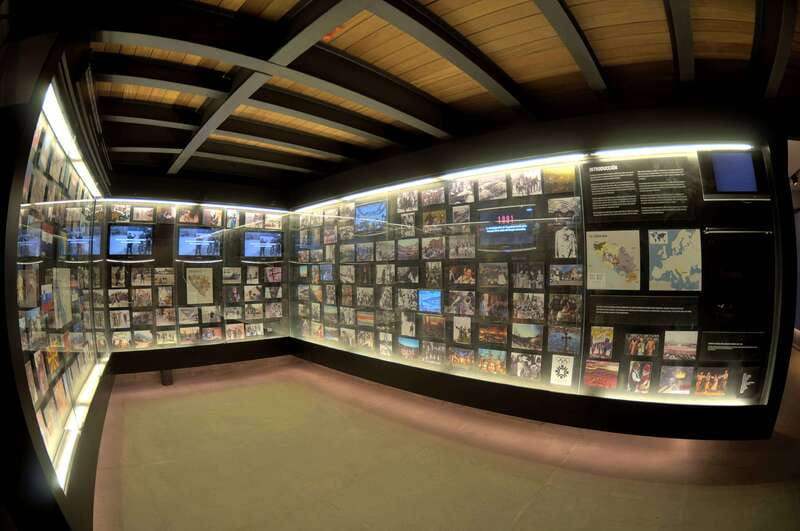
The permanent exhibitions unfold across 43 rooms and use more than 1,200 objects, documents, and audiovisual pieces. That combination gives you several ways into the material: written records for context, objects that make history tangible, and audio and visual elements that add human scale.
An audio guide is included in Spanish or English. If you prefer to move at your own pace, it can help you follow the displays without relying only on wall text. The language choice is especially useful if you are visiting Mexico City but are more comfortable taking in difficult historical material in English.
The information provided does not specify a fixed visit length, beyond the ticket being valid for one day. With 43 rooms and a large collection, I would avoid squeezing the museum between tight appointments. You may want time to stop, read, and reflect, and the subject matter can make a steady pace more appropriate than a brisk one.
The permanent exhibition is recommended for people older than 15. Children younger than 15 need to be accompanied by an adult. That guidance is worth taking seriously: this is a museum about mass violence and human suffering, not a casual family attraction.
The Holocaust exhibition and other histories
The Holocaust is central to the museum’s permanent exhibition. The wider galleries also address other genocides and crimes against humanity, including the Armenian genocides, Rwanda, Guatemala, Cambodia, Darfur, and Yugoslavia. Together, these subjects make the museum’s scope broader than a single historical episode.
That breadth is valuable, but it also calls for care. Each history has its own circumstances and victims; the museum’s subject list does not make them interchangeable. As you move through the galleries, take time to notice how the displays present each case rather than flattening them into one general story about violence.
The museum’s stated aim is to show how indifference, discrimination, and violence can threaten people and communities. That theme gives the visit a clear thread. You are asked to connect historical events with the responsibilities of individuals and societies today, while still giving the past the attention it deserves.
One visitor account particularly praised the museum’s Anne Frank exhibition and described it as deeply affecting. Temporary exhibitions can change, so do not assume that this specific display will be on view when you go. The ticket does include whatever temporary exhibitions are available during your visit.
Art that gives the museum another language
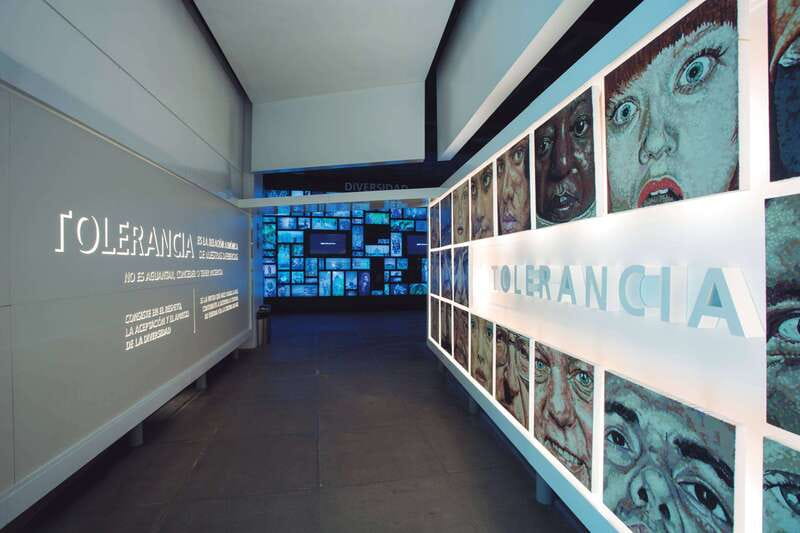
Art is part of the experience, not an afterthought. The museum includes installations and sculptural works that bring different visual forms into the galleries, offering moments to look, interpret, and consider how remembrance can be expressed beyond documents and text.
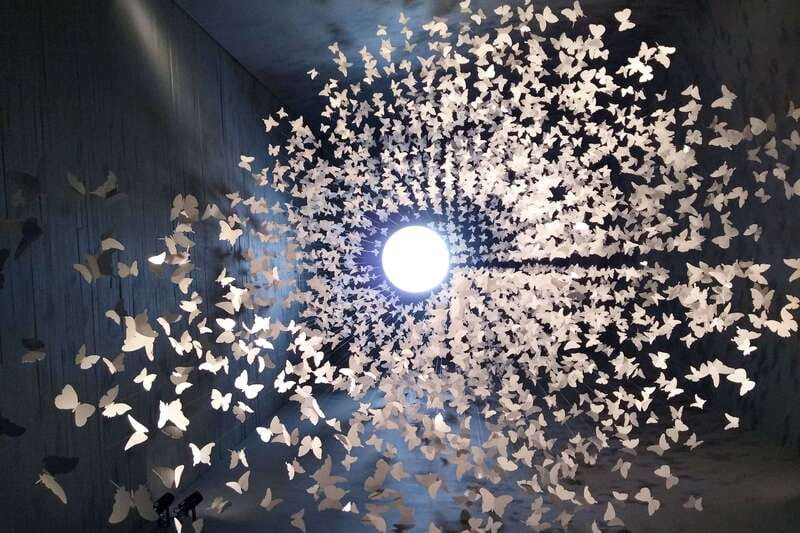
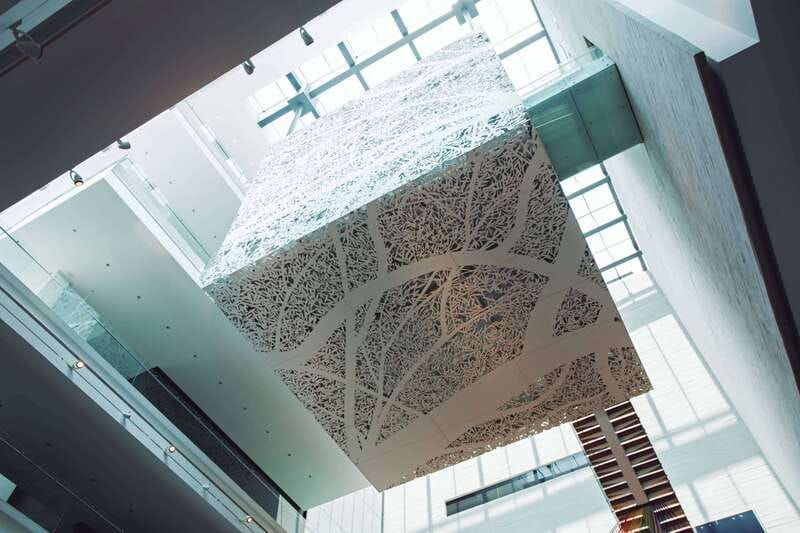
Jan Hendrix is represented by Lost Potential and Cube. Other installations include metronomes by Lozano-Hemmer, The Wings of Peace by Jorge Marín, and YOU by Rivelino. Their presence adds variety to a visit that otherwise deals with difficult historical material through records, images, and testimony.
You will also encounter objects with direct historical associations: a train wagon used during World War II to transfer prisoners and a fragment of the Berlin Wall. These pieces make the museum’s themes physical. They are not simply illustrations; they give you a concrete point of focus amid the broader historical accounts.
A sculpture from the Non-Violence Project by Carl Fredrik Reuterswärd is another part of the permanent collection. Together, these artworks help connect the museum’s call for tolerance and peace with forms of public expression. They will not make the subject matter easy, but they offer another way to think about it.
A few more Mexico City tours to consider
- Teotihuacan, Guadalupe Shrine & Tlatelolco Day Tour with Lunch
★ 5.0 · 11,603 reviews - Xochimilco, Coyoacan and Frida Kahlo with Optional Lunch
★ 4.5 · 7,320 reviews - Balloon flight + Breakfast in cave + Pyramids + Pick up CDMX.
★ 5.0 · 6,335 reviews - Teotihuacan pyramids morning or afternoon without tourist traps
★ 5.0 · 6,186 reviews
Location in Plaza Juárez
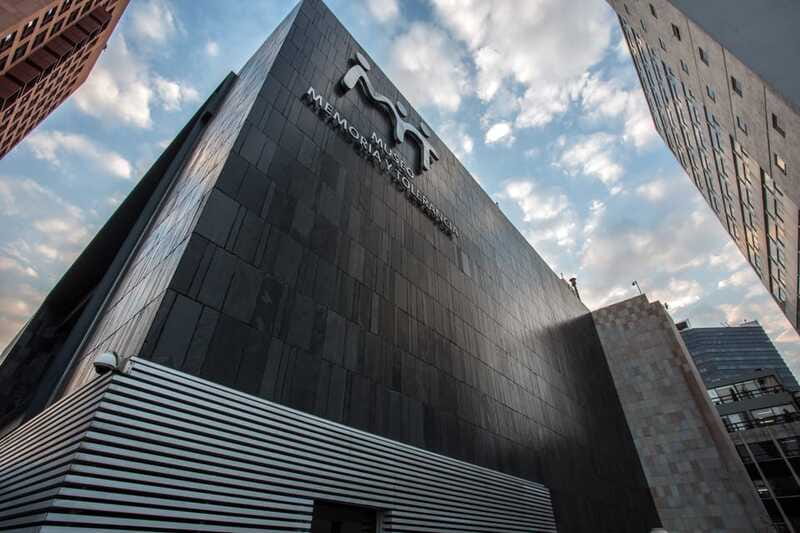
The museum is in Plaza Juárez, in downtown Mexico City, beside the Secretaría de Relaciones Exteriores and opposite the Hemicycle to Juárez. Those nearby landmarks make the location easier to identify when you are orienting yourself in the city center.
The central setting also makes this a natural choice if you are already spending time downtown. Still, treat the museum as a destination in its own right rather than a stop to squeeze into a short gap. Its scope and serious subject matter call for more attention than a quick look at a single gallery.
The ticket is valid for one day, but the information provided does not give a required arrival time or a set visit duration. Check the available starting times when you plan your visit, and leave enough flexibility to move through the exhibitions at a thoughtful pace.
What the $13 ticket includes
At $13 per person, the ticket covers entry, an audio guide in Spanish or English, and access to temporary exhibitions. The value lies in the amount included: the permanent galleries span 43 rooms, with more than 1,200 objects, documents, and audiovisual pieces, and your admission also covers the temporary displays on view.
This is a stronger fit for you if you want an organized, substantial museum visit rather than a short attraction. The audio guide adds a useful layer without an extra listed charge, while the temporary exhibition access gives you something beyond the permanent collection.
The ticket is valid for one day, and the booking option allows you to reserve now and pay later. You can cancel up to 24 hours in advance for a full refund. Food and drinks are not allowed inside, so plan to have them before or after your visit.
Who should make time for it
I would put this museum high on your list if you are interested in the Holocaust, human rights, public memory, or the ways societies respond to discrimination and violence. It is also a good choice if you value museums that combine historical material with art and installations, rather than relying on text and documents alone.
The visit may be a harder fit if you want a light or cheerful museum stop. Its subject matter is grave, and the permanent exhibitions are recommended for visitors older than 15. Families with younger children should weigh that guidance carefully and accompany anyone under 15.
For adults and older teens prepared for serious material, the museum offers a focused, thoughtful way to spend time in central Mexico City. The broad range of histories, the art installations, and the included audio guide all support a visit that can be informative without being rushed.
Should you book this museum ticket?
Book it if you want to spend time with difficult history and consider how memory connects to tolerance, human rights, and action today. The $13 price includes the permanent exhibitions, temporary displays, and a Spanish or English audio guide, making it a practical way to visit this substantial museum.
Choose another activity if you are looking for a brief, easygoing outing or are unsure about confronting material on genocide and mass violence. If you do go, set aside a generous portion of your day, check which temporary exhibitions are on view, and give yourself permission to take the galleries slowly.
FAQ
What does the ticket include?
It includes museum entry, a Spanish or English audio guide, and access to temporary exhibitions.
How much does the ticket cost?
The listed price is $13 per person.
How long is the ticket valid?
It is valid for one day. The information provided does not specify a required visit duration.
What languages are available for the audio guide?
The audio guide is available in Spanish and English.
Where is the museum?
It is in Plaza Juárez in downtown Mexico City, next to the Secretaría de Relaciones Exteriores and opposite the Hemicycle to Juárez.
What subjects do the permanent exhibitions cover?
They include the Holocaust and other crimes against humanity, including the Armenian genocides, Rwanda, Guatemala, Cambodia, Darfur, and Yugoslavia.
How many rooms are in the permanent exhibitions?
There are 43 rooms, with more than 1,200 objects, documents, and audiovisual pieces.
Is the museum suitable for children?
The permanent exhibitions are recommended for children older than 15. Children younger than 15 must be accompanied by an adult.
Is the museum wheelchair accessible?
Yes, the museum is listed as wheelchair accessible.
Can I bring food and drinks inside?
No. Food and drinks are not allowed inside the museum.
New on the list in Mexico City
- Private & Tailor Made Tour to Teotihuacan Pyramids!★ 5.0 · 37 reviews
- Private Tour: Pyramids of Teotihuacan and Piramides of Atlantes de Tula★ 5.0 · 26 reviews
- Xochimilco Tour★ 5.0 · 26 reviews
- Private tour to Queretaro and San Miguel de Allende★ 4.0 · 10 reviews
- Private Street Food & Mural Art Tour in Mexico City★ 3.5 · 3 reviews
- Private tour Antropology Museum Frida Khalo museum and Leon Trotskyi museum★ 5.0 · 3 reviews
- Private Tour: Museum of Anthropology and Chapultepec Castle★ 5.0 · 3 reviews
- Teotihuacan Private Tour, Cave Breakfast and Transportation★ 5.0 · 51 reviews
Mexico City Tours, compared.
Teotihuacan, Guadalupe Shrine & Tlatelolco Day Tour with Lunch
Read our review →
Xochimilco, Coyoacan and Frida Kahlo with Optional Lunch
Read our review →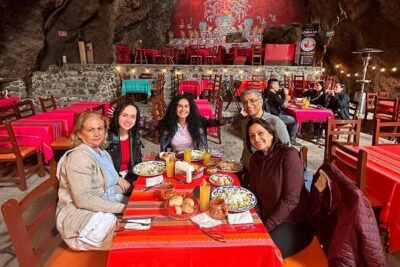
Balloon flight + Breakfast in cave + Pyramids + Pick up CDMX.
Read our review →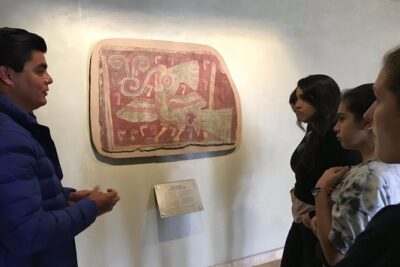
Teotihuacan pyramids morning or afternoon without tourist traps
Read our review →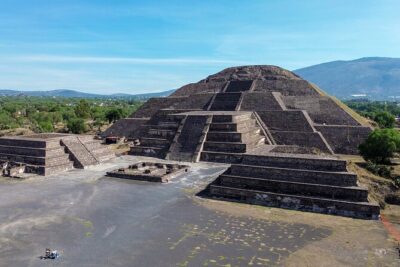
Teotihuacan Early Access Guided Tour with optional Lunch
Read our review →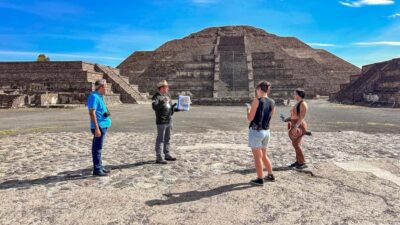
Teotihuacan, Tlatelolco & Guadalupe Shrine Tour
Read our review →
Teotihuacan Hot Air Balloon Flight from Mexico City / Volare
Read our review →