
Reviewed · CHOLULA TOURS
Puebla: Mexico’s largest archaeological site & Cholula
Cantona is the reason to make room for this long day. This vast pre-Hispanic city feels far removed from the usual archaeological circuit, with avenues, temples, ball courts, and a quiet that lets you pay attention. I like the combination of a PhD historian as your guide and time to walk the site, and I like that the day pairs Cantona with Cholula’s Great Pyramid and its volcano views.
The trade-off is time on the road and on your feet: the tour lasts about 10.5 hours, Cantona alone takes 2.5 hours, and the Mirador Pyramid involves a climb. If you want an easygoing day with little walking, this is not the right fit.
The day’s highlights
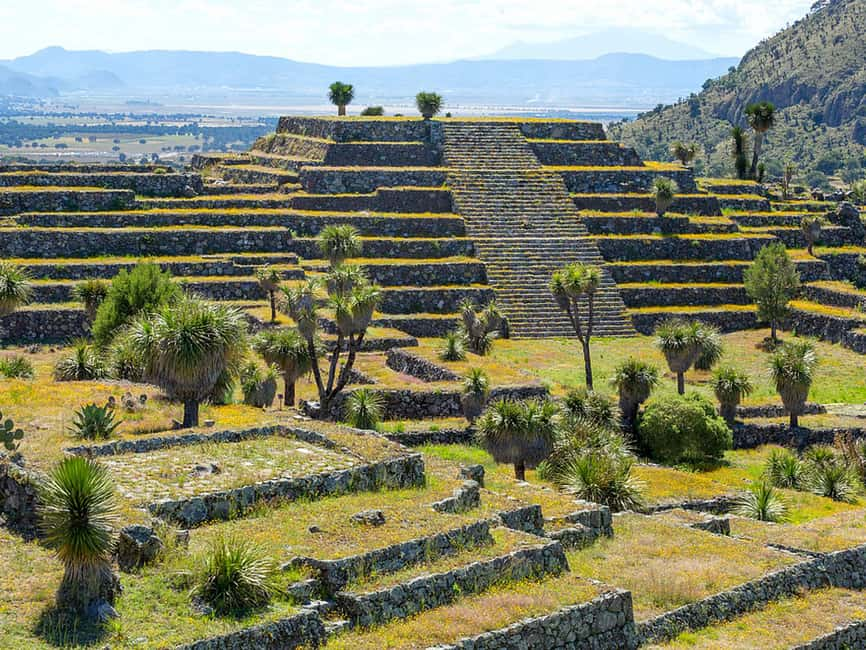
- Cantona covers 2.6 square kilometers. Explore an extensive walled city with housing areas, temples, ceremonial patios, and ball courts.
- A cacao tasting sets the tone. Before visiting the ruins, you sample a traditional ceremonial cacao drink and hear about its place in Aztec culture.
- The Mirador Pyramid gives you a high point. Climb for views across the valley toward Citlaltépetl, also known as Star Mountain.
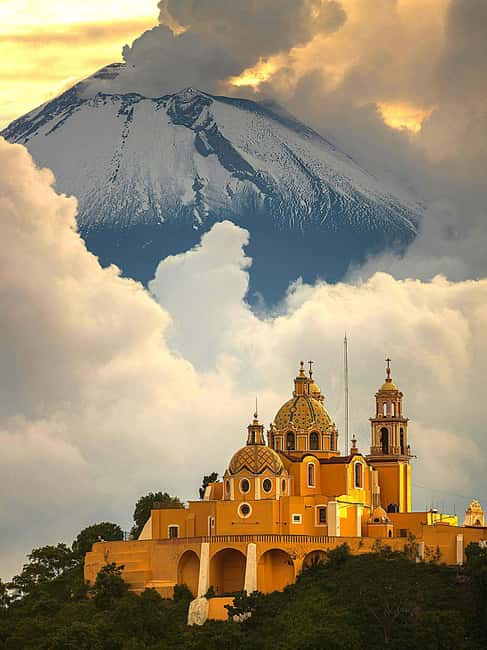
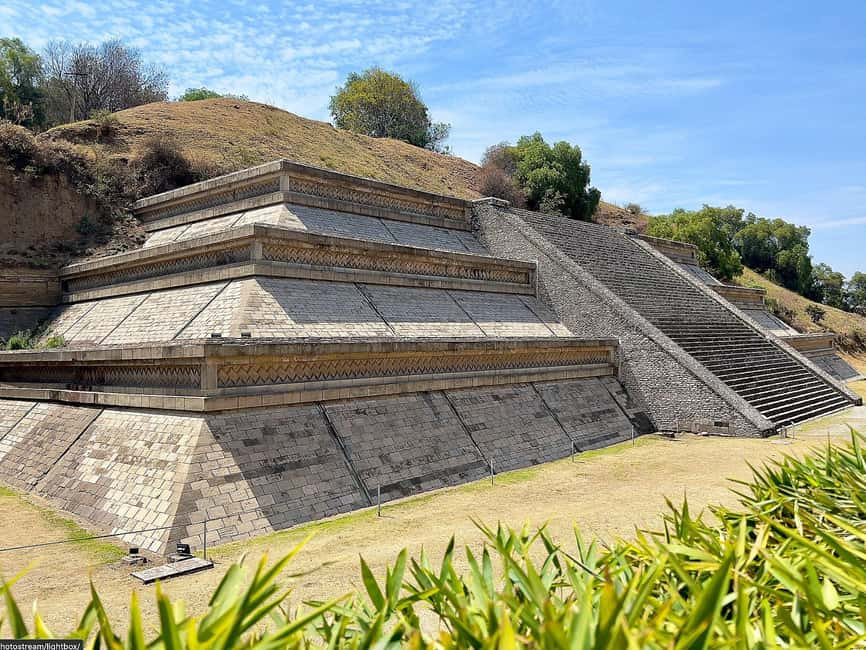
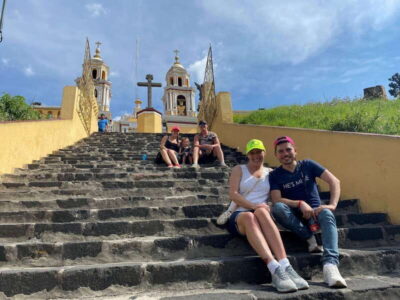
- Cholula adds a second kind of archaeological site. See Tlachihualtepetl, a huge pyramid largely concealed beneath a hill and topped by the church of Our Lady of Remedies.
- Private transport makes a packed itinerary manageable. A personal chauffeur and pickup in Puebla spare you the work of connecting distant sites yourself.
Cantona rewards slow walking
The tour begins with pickup at your accommodation or another agreed location in Puebla’s historic center. From there, expect about an hour and a half in an SUV to reach Cantona. That drive is part of the day’s cost in time, but it also makes a private vehicle useful: you are not juggling public transport between remote sites or trying to fit the visit into a short excursion.
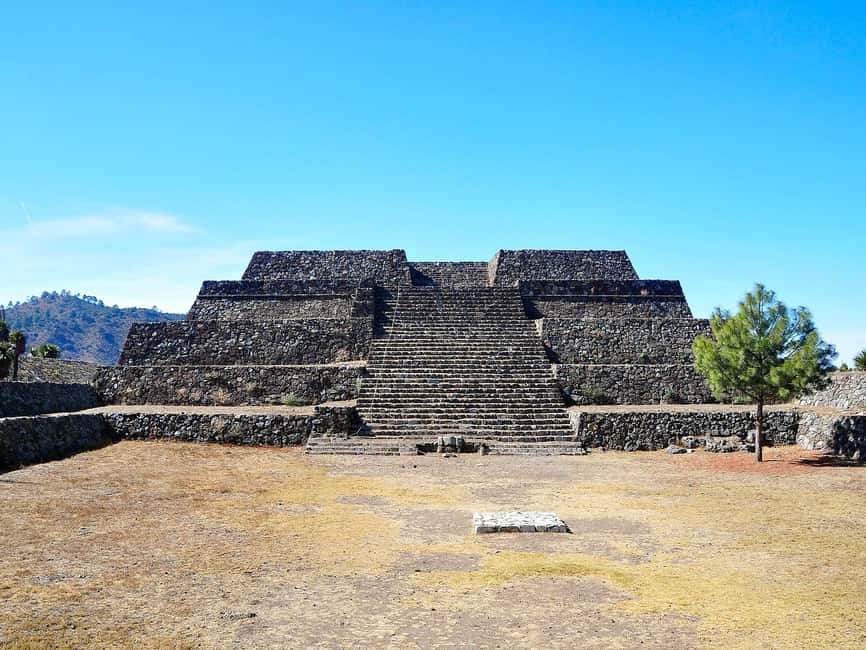
Cantona is described as a pedestrian walled city dating to around 200 B.C., covering 2.6 square kilometers. Its scale matters. This is not a quick stop at a single temple; you walk through avenues and narrow streets connecting residential compounds, temples, ball courts called tlachtli, and patios used for ceremonies and sacrifices. The layout gives you a sense of a functioning urban place rather than an isolated monument.
The site’s relative quiet is a major part of its appeal. With fewer people around, you can take in the size of the ruins without the rhythm of a crowded attraction. The wind moving through the open site may be the loudest thing you hear. That atmosphere can make the visit feel special, but it also means you should come ready to walk and look closely. Much of Cantona’s interest lies in its spread-out plan, not in one grand structure that tells the whole story at a glance.
Your guide is a historian with a PhD and a specialty in anthropology. Maria has led the tour, bringing her research background to the ancient communities of Cantona and the wider history of Mexico. The value of that expertise is not just dates and names. A strong guide can help you read the spaces between the buildings, explain how the city was organized, and put the site’s temples and ball courts into context.
You spend about 2.5 hours at Cantona, including time for a guided visit. That is enough to explore at a meaningful pace, though it is not a leisurely full-day ramble. The city’s size makes comfortable shoes important, and the ground and stairs call for a steady step. The tour is not suitable for wheelchair users or people with mobility impairments.
More Puebla trips around Cholula:
- Puebla, Cholula & Tonantzintla Day Trip with Optional Lunch
★ 4.5 · 1,702 reviews - From Mexico City: Puebla, Cholula and Tonantzintla Day Trip
★ 4.3 · 1,191 reviews - Puebla and Cholula Day Trip from Mexico City
★ 4.0 · 274 reviews
Cacao before the ruins
Before entering the archaeological site, you taste a traditional ceremonial cacao beverage. This is presented as more than a snack: cacao held important cultural and spiritual value in Aztec life, and the drink was associated with communication between people and the divine. The tasting gives the visit a sensory starting point before the walk through the ruins.
Keep expectations in proportion. This is a short tasting and ceremony, not a meal, and food and extra drinks are not included. The welcome kit does include juice, water, and gourmet gifts, which are useful on a full day out. Still, one traveler’s practical advice is worth following: bring a sandwich or other food you can eat during the scheduled break.
The ceremony may be one of the day’s most memorable details, particularly if you are interested in how history is carried through food and ritual. Maria has been described as adding personal words to the cacao toast for a birthday, a reminder that the experience can feel warm and personal rather than like a lecture. That sort of moment depends on the guide and occasion, so treat it as a possible extra, not a promised part of the schedule.
Climb the Mirador Pyramid
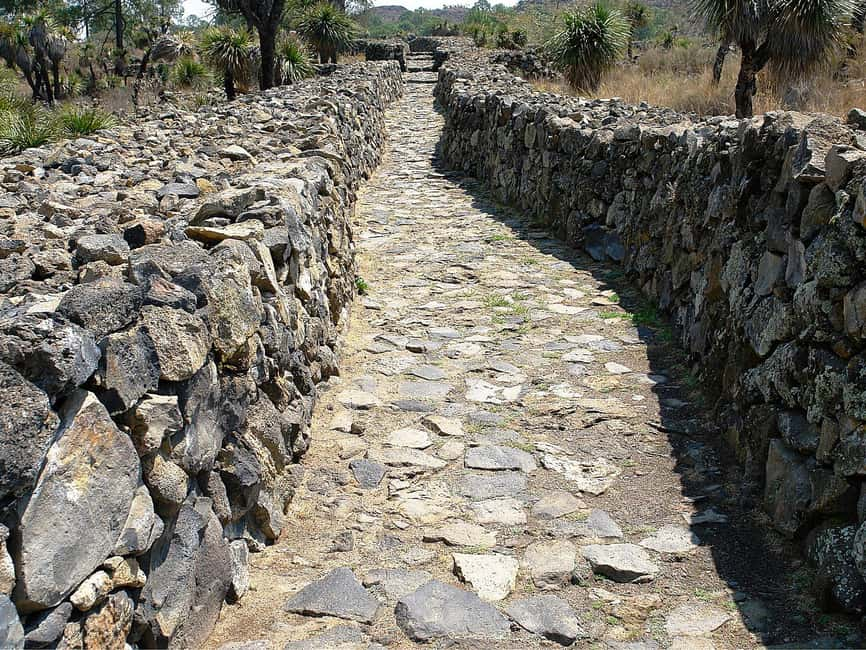
At Cantona, the climb to the Mirador Pyramid brings the city into view from above. From the top, you can look across the valley toward Citlaltépetl, Mexico’s highest elevation, also called Star Mountain. The viewpoint helps you understand the site’s broad setting in a way that is harder to grasp while walking among its buildings.
The tour also covers the orientation of pyramids in relation to the sun. That discussion gives a useful thread to follow as you move through the ruins: architecture here is not just a collection of stone structures, but part of a built environment shaped by cultural and celestial ideas. Your guide can connect those points to what you are seeing on the ground.
The climb is a genuine consideration, not a minor footnote. There are stairs, and the day includes plenty of walking before and after this stop. Bring a hat and sunscreen, and consider honestly how you manage uneven ground and extended time outdoors. If climbing is uncomfortable for you, ask in advance what you can see without going up.
A break between two very different sites
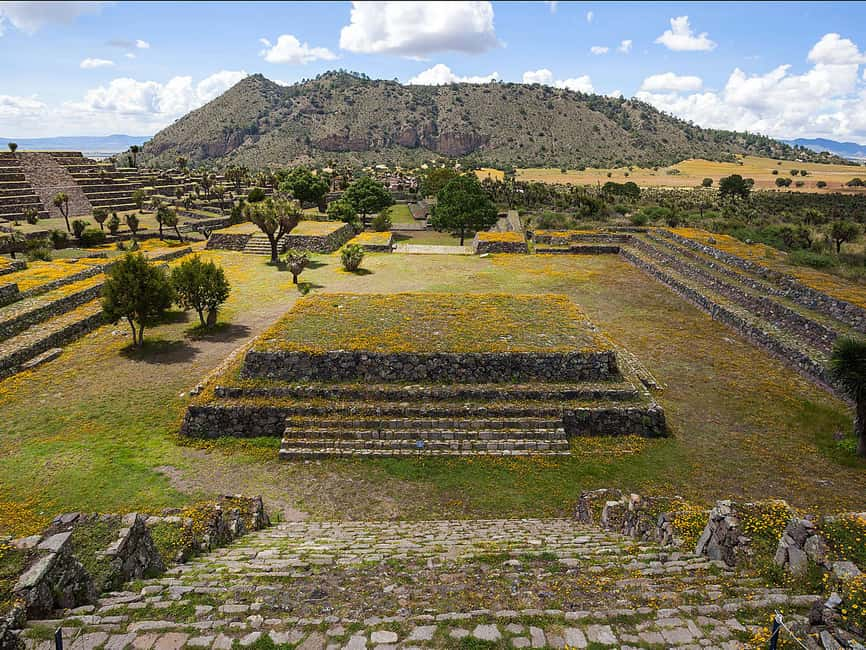
After Cantona, you drive about 30 minutes to a one-hour break. Meals are not included, so plan to buy food or bring something with you. The break is useful: after a substantial walk, you will likely appreciate the chance to sit, eat, and reset before the next leg.
Then comes a longer drive, listed at about 105 minutes, to Cholula. The contrast is part of the day’s appeal. Cantona is an expansive, quiet archaeological city in a peaceful natural setting. Cholula is a well-known historic destination where the ancient pyramid sits beneath a church and a hill shaped by centuries of change. You get two different ways to think about pre-Hispanic history, rather than two stops that feel alike.
The drive also explains why this works best as a private day tour. A personal SUV and chauffeur keep the connections straightforward and let you spend your energy on the sites, not on finding transport. Drivers named on past tours include Anthony, also called Tony, and Guillermo. The exact team may vary, but the arrangement pairs a historian guide with a driver who handles the day’s transport.
More Cholula trips around Cholula:
- From Mexico City: Puebla and Cholula Day Tour
★ 4.2 · 194 reviews - From Puebla: Cholula and Atlixco Magical Towns Tour
★ 4.2 · 154 reviews - From Puebla: Guided Tour of Cholula
★ 4.9 · 78 reviews - Puebla: Cholula Magical Town Tour by Double-Decker Bus
★ 4.3 · 74 reviews
Cholula’s pyramid beneath the church
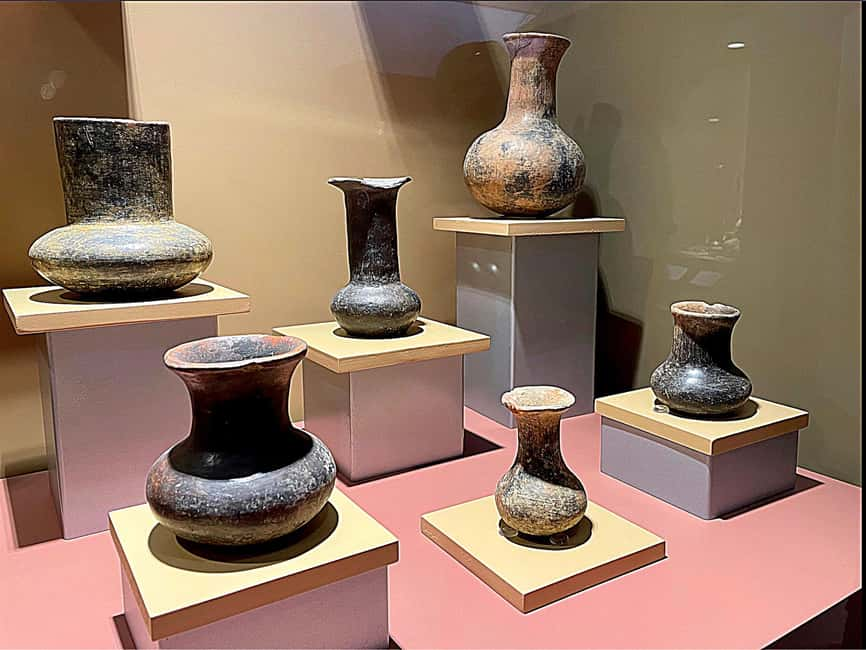
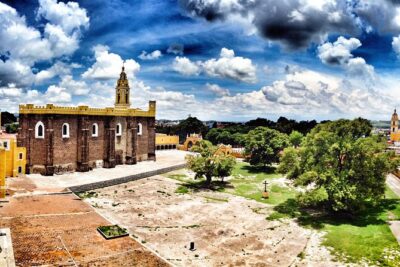
At Cholula, the focus is Tlachihualtepetl, often described as the world’s largest pyramid. Construction began around 500 B.C. The pyramid was abandoned for centuries and became covered by vegetation, so the Spanish believed it was simply a hill when they built the church of Our Lady of Remedies on top.
That history is a useful reminder that monumental structures can disappear from view without disappearing from the ground. At Cholula, the church above and the pyramid below make the site legible in layers: Indigenous construction, colonial-era building, and the modern town around them. Your guided visit lasts about 1.5 hours, enough to take in the main story and the setting without turning the stop into a second long trek.
The tour also promises views of Popocatépetl, one of Mexico’s three most active volcanoes. The view depends on conditions, so think of it as a welcome possibility rather than a guaranteed clear panorama. Even without a perfect view, the pyramid and church make Cholula a worthwhile counterpoint to Cantona.
You will not have as much time here as at Cantona, and the visit follows a full day of walking and driving. If Cholula is your main interest, a separate visit could give you more freedom to explore at your own pace. But if you want to compare a large urban ruin with one of Mexico’s best-known pyramid sites, the pairing is a strong reason to choose this tour.
What the $201 price buys
At $201 per person, this is a premium day out, especially if you are traveling alone. The price covers a private 10-hour tour, a PhD historian, a personal chauffeur and SUV, entrance fees to both archaeological sites, the cacao tasting, and pickup and drop-off wherever suits you in Puebla. A welcome kit with water, juice, and gourmet gifts is included as well.
The value is easier to see if you are traveling as a couple or small private group. You are paying for dedicated transport and a guide who can focus on your questions, not just admission to the ruins. The two sites are far enough apart that arranging the same day independently could take time and planning. If you value expert interpretation and an easy connection between Cantona and Cholula, the price may be fair. If you mainly want a low-cost visit to one site, it is likely more than you need.
Meals and extra drinks are not included, and personal expenses are yours to cover. Check the tour’s start time when booking, and remember that the total day runs about 10.5 hours. English and Spanish guiding are available, and the tour is private rather than shared with a group of strangers.
Who should book this day
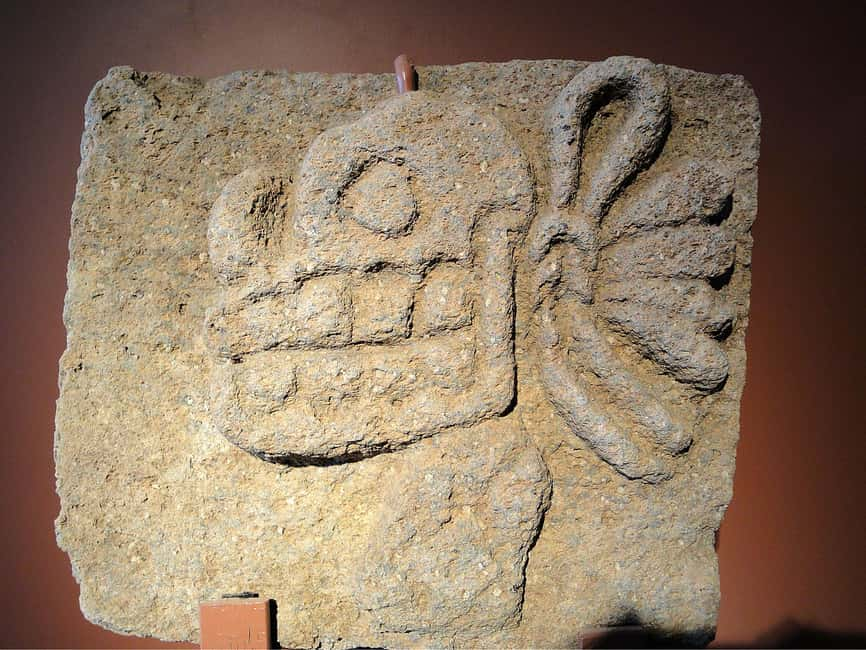
I would choose this tour if Cantona is high on your list, you want historical context from a specialist, or you like the idea of seeing a lesser-visited site alongside Cholula. It suits people who are comfortable walking for several hours and climbing stairs, and who would rather spend a day on the road than coordinate separate transport themselves.
The balance is less favorable if you have limited stamina, need step-free access, or are looking for a relaxed food-focused day. The schedule is full, meals are not provided, and the long drives add up. If you are coming from Mexico City, the tour’s pickup is in Puebla, so consider staying overnight in Puebla rather than adding a long journey before and after an already lengthy day.
Bring comfortable shoes, a hat, sunscreen, and something to eat. Water is included, but having your own food for the break can make the day more comfortable. Free cancellation is available up to 24 hours in advance, and a reserve-now, pay-later option is offered.
Should you book it?
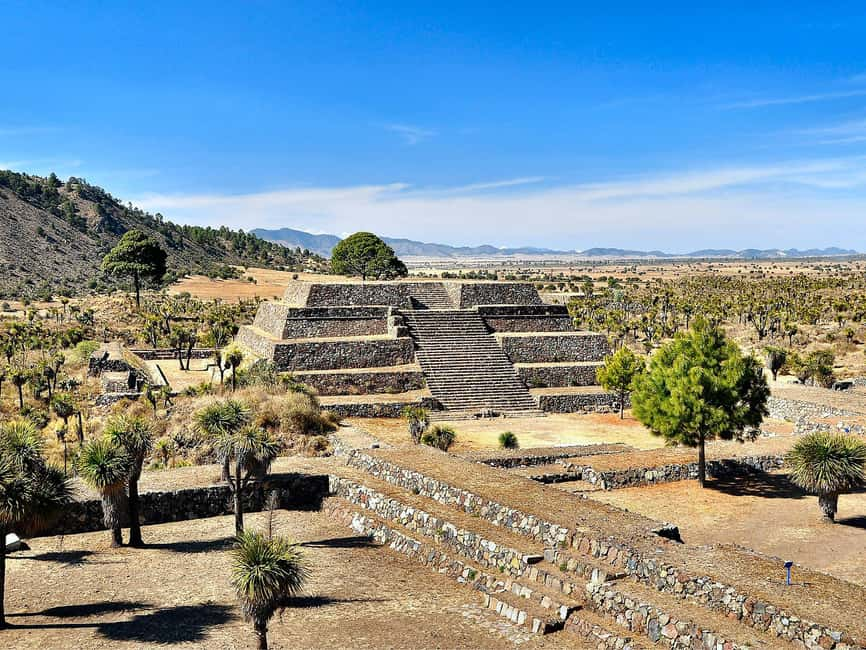
Book this if you want Cantona’s scale and quiet, not just a quick photo at a famous monument. The historian-led visit, ceremonial cacao, Mirador climb, and Cholula stop make for a thoughtful, varied day, while private transport keeps the logistics in hand.
Skip it if a 10.5-hour schedule or substantial walking sounds like too much. For the right person, though, Cantona is the rare site that can make the effort feel worthwhile: a whole ancient city to explore, with room to listen, look, and ask questions.
FAQ
How long is the tour?
The tour lasts about 10.5 hours. It includes the drive from Puebla, guided visits to Cantona and Cholula, and a one-hour break.
Is the tour private?
Yes. It is a private group tour with a personal chauffeur and SUV.
What languages are available?
The live guide is available in English or Spanish.
What is included in the price?
The price includes the private tour, SUV and chauffeur, entrance fees to Cantona and Cholula, a ceremonial cacao tasting, pickup and drop-off, and a welcome kit with juice, water, and gourmet gifts.
Are meals included?
No. Meals and additional drinks are not included. A one-hour break is scheduled, and bringing a sandwich or other food is a practical idea.
Is the tour suitable for people with mobility impairments?
No. The tour is not suitable for people with mobility impairments or wheelchair users. It involves substantial walking and a climb up the Mirador Pyramid.
New on the list in Cholula
- Private Tour Puebla and Cholula★ 5.0 · 10 reviews
- PUEBLA historic colonial center and CHOLULA neighborhood Private day tour★ 3.5 · 4 reviews
- Puebla, Cholula & Tonantzintla Plus Taxco, Cuernavaca & Mine, 2 day Combo★ 4.5 · 32 reviews
- Puebla & Cholula Full-Day Private Tour from Mexico City★ 5.0 · 26 reviews
- Excursion to Cholula and Puebla from Mexico City★ 4.5 · 16 reviews
- Small Group: Discover Puebla and Cholula from Mexico City★ 4.0 · 38 reviews
- Full Day: Puebla and Cholula From Mexico City★ 4.0 · 16 reviews
- All-Day Cholula & Puebla Tour from Mexico City★ 4.0 · 16 reviews
Cholula Tours, compared.
Puebla, Cholula & Tonantzintla Day Trip with Optional Lunch
Read our review →
Cholula Magical Twon on a Traditional Tram from Puebla
Read our review →Browse the lists this tour appears in