
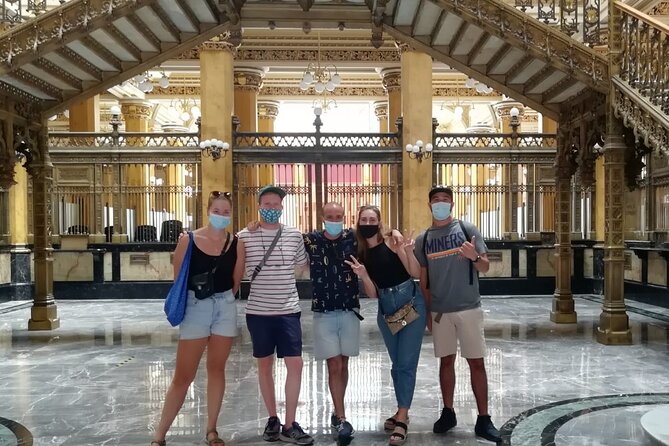
Reviewed · MEXICO CITY HISTORIC CENTER TOURS
Walking Tour of the Historic Center of Mexico City
Mexico City’s center is a place where layers of the past sit almost on top of one another: Mexica ruins, Spanish colonial buildings and grand structures from the early 20th century all share the same streets. This three-hour walk connects those layers, from the Zócalo and Templo Mayor to Diego Rivera murals and the Palace of Fine Arts.
I like two things in particular: the small group cap of 10, which makes questions and street crossings easier, and the mix of major landmarks with details about everyday Mexican life, including food, music, politics and Indigenous languages. Guides such as Fernanda, Alexia and Luis are often praised for making history clear and personal.
The main consideration is the physical effort. You’ll be walking for about three hours, sometimes over cobbled streets, with limited chances to sit. The city’s elevation and midday sun can make the pace feel harder, especially if you have trouble walking or need frequent rests.
At a glance
- Start at the Zócalo: Take in the vast central square, with the National Palace and Supreme Court of Justice around it.
- See Mexica history beside colonial landmarks: The route connects the Metropolitan Cathedral, Templo Mayor and an archaeological window beneath a nearby street.
- Go inside for Diego Rivera murals: The Ministry of Education visit is a highlight, with about 25 minutes set aside for its mural-filled interior.
- Finish among landmark buildings: The route includes the Palace of Fine Arts, Postal Palace and the tiled Casa de los Azulejos.
- Expect a small English-speaking group: The tour is offered in English and limited to 10 people.
- Plan for a proper walk: It lasts about three hours, and tips, transport to the meeting point and any food or sweets you buy are not included.
The Zócalo sets the scale
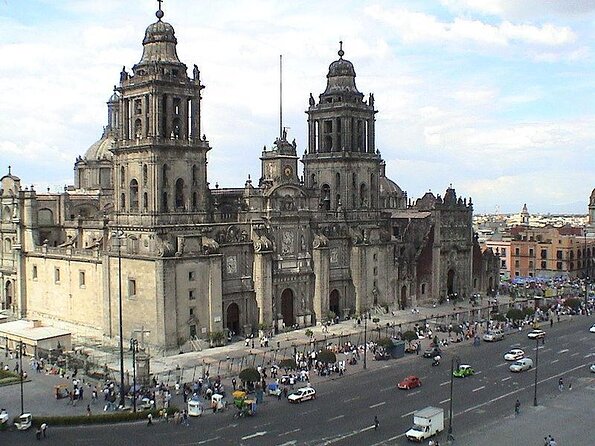
The walk begins at the Plaza de la Constitución, better known as the Zócalo. This enormous square is the right place to start: its scale hints at Mexico City’s importance long before you begin looking closely at individual buildings. Around it, you’ll see the National Palace, the Supreme Court of Justice and shops associated with silversmithing.
The stop lasts about 15 minutes. That is enough time for an introduction to the square and its surroundings, not a full visit to every building. I like this brisk opening because it gives you a map in your head before the route moves into more detailed history.
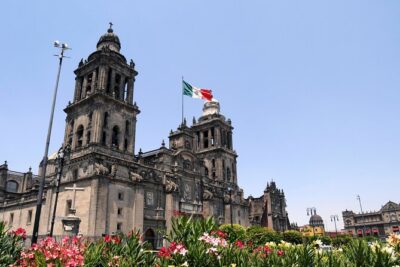
From there, the guide explains the Metropolitan Cathedral from the outside. The 10-minute stop covers its origins and construction, including its Baroque and Neoclassical features. The tour does not include admission, so treat this as an architectural and historical overview rather than a cathedral visit.
More historic center tours around Mexico City:
- Historic Downtown Walking Tour
★ 5.0 · 1,289 reviews - Historic Center Food Tour in Mexico City
★ 5.0 · 1,263 reviews - Mexico City: Historic Downtown Walking Tour
★ 4.8 · 1,039 reviews
Templo Mayor reveals the older city
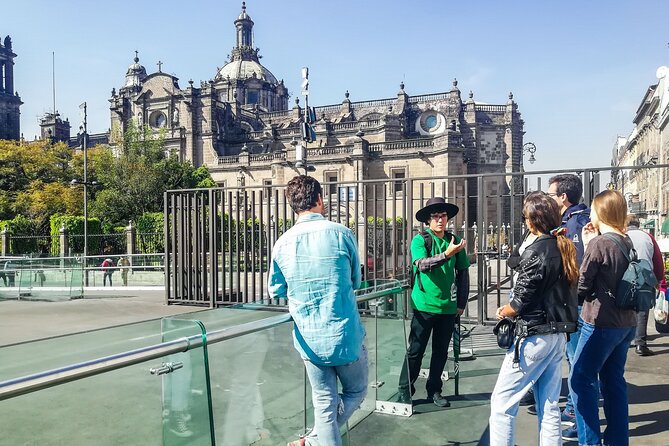
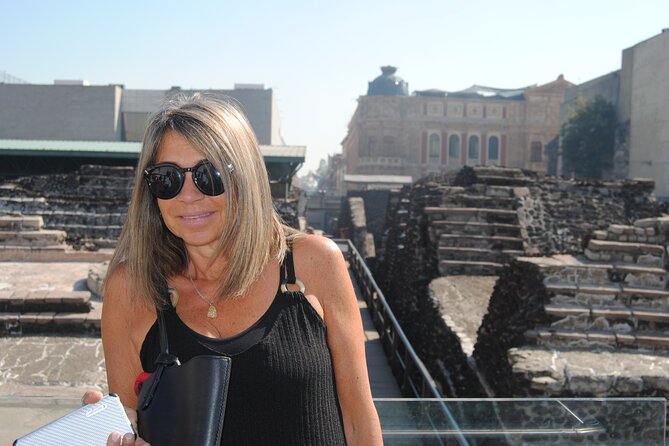
Near the cathedral, the route brings you to the archaeological remains of Templo Mayor. The site is associated with the Mexica gods of rain and sun, and the guide explains why it mattered to the Mexicas and how the city was laid out around it.
This is one of the walk’s most useful contrasts. The colonial buildings can dominate your attention, but the ruins make clear that the Spanish city was built over a much older one. You are not simply moving from one historic monument to another; you are seeing how one city was layered onto another.
A short visit to the Ventana Arqueológica adds a close-up glimpse of what lies beneath the streets. The five-minute stop focuses on how the remains were found and on the traces of earlier buildings hidden below the modern center. It is brief, but it helps you notice that the ground beneath the city is part of the story too.
Diego Rivera’s murals bring the past indoors
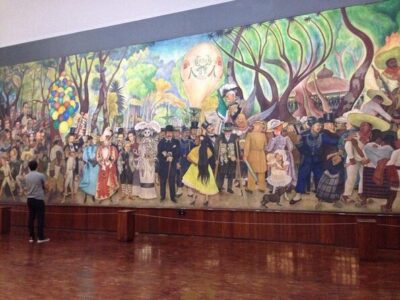
The Ministry of Education, now home to the Museo Vivo del Muralismo, offers a change of pace and setting. Here, the tour spends about 25 minutes inside, among murals by Diego Rivera. The building contains roughly a third of the murals he painted during his career, and the works touch on festivals, traditions, social struggle, trade and politics in the early 20th century.
This stop gives the walk a strong visual center. Instead of hearing only about history in the street, you can look directly at art that depicts people and public life. The visit is included, and guides may allow a few extra minutes to take in the courtyard and murals when the group’s timing permits.
The scheduled 25 minutes is still an overview, not enough to study every mural at length. If you’re especially interested in Rivera, consider this a useful introduction and plan to return for more time if your schedule allows.
Santo Domingo connects colonial Mexico to global trade
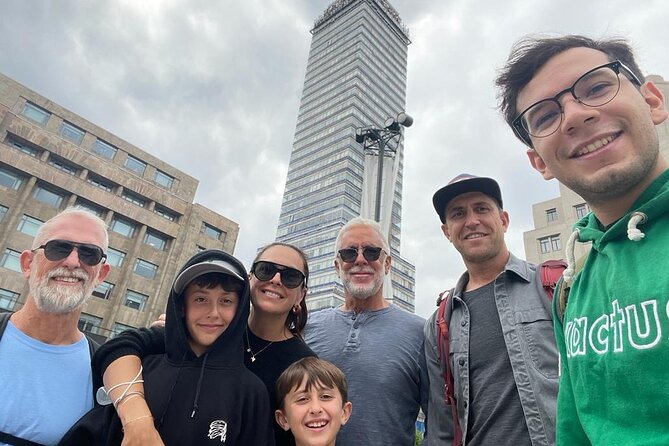
At Plaza de Santo Domingo, the guide turns to the period of New Spain. The square’s stories include the spice and goods trade with Asia, the Inquisition and France’s attempts to conquer Mexico. These subjects make the plaza more than a pretty stop: they show how religion, commerce and foreign ambitions shaped the city.
You’ll spend about 15 minutes here. The value is in the guide’s explanation of how events beyond the square reached into daily life and politics. A good guide can also make the shift between eras easier to follow, connecting the colonial period to the older Mexica city and the modern capital.
More walking tours around Mexico City:
- Frida Kahlo VIP [Museum Tickets Included] Walk, Markets & Churros
★ 5.0 · 982 reviews - Anthropology Museum Private Experience Walking Tour
★ 5.0 · 355 reviews - Walking Tour in Mexico City for Exploring their Cultural Heritage
★ 5.0 · 245 reviews - Walking Tour – Impressive murals in Historical Center of Mexico City
★ 5.0 · 224 reviews
Plaza Tolsá offers a pause and broader context
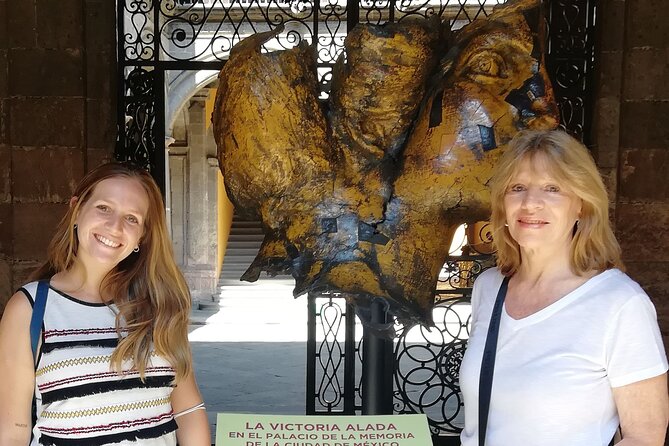
Plaza Tolsá is the planned rest stop, with shade and about 20 minutes to pause. It’s also where the guide may widen the discussion beyond buildings, covering Indigenous languages, Day of the Dead traditions, music, politics and gastronomy. The guide’s own perspective can bring local context to topics that a quick look at monuments cannot provide.
The square also gives you a view of the equestrian statue of Charles IV, nicknamed El Caballito, or the little horse. Nearby, you’ll see the exterior of the National Museum of Art and the Mining Palace. The tour does not list admission to those buildings, so expect to admire their architecture from outside rather than tour their interiors.
I like having this stop in the middle of the route. Three hours on foot can feel long, and a planned pause matters, especially in a group with different walking speeds. Still, it is a short rest, not a long café break.
Fine Arts, the Postal Palace and the tiled house
The Palace of Fine Arts is one of the route’s major visual landmarks. The tour sets aside about 15 minutes to appreciate its exterior and artistic character. It is described as a must-see, but the schedule does not promise a full interior visit, so think of this as a guided look and introduction.
The Postal Palace follows, with about 10 minutes to consider its architecture and the economic and political ambitions behind such a grand public building. It remains in operation. Admission is not included, and the tour information does not specify an interior visit, so check with your guide if entering is important to you.
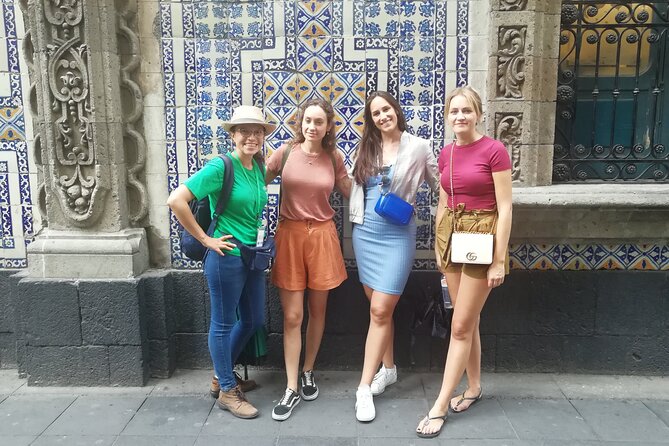
The final stop is the Casa de los Azulejos, or House of Tiles, which is famous for its tiled exterior and is a much-photographed city landmark. You’ll have about 15 minutes here. The route ends at Edificio Guardiola, beside the Palace of Fine Arts and the tiled house, making it convenient to continue exploring the center on your own.
Taken together, these final buildings show a later chapter of the city’s story. Their grand styles and civic functions contrast with the remains at Templo Mayor and the colonial square at Santo Domingo. The route covers a lot, but its purpose is to orient you, not to replace longer visits inside the museums and palaces.
What makes the guide matter
This walk relies on its guide to make the sequence of sites feel connected. The tour covers pre-Hispanic, colonial and modern history, with architecture and current life folded into the story. A strong guide can make that broad sweep understandable without turning every stop into a lecture.
Guides named in accounts of the tour include Fernanda, Alexia, Luis, Nat, Thomas, Benjamin, Gabby and Sara. Fernanda is particularly praised for mixing humor with history, while Alexia is noted for adding thoughtful context and answering questions. Luis is known for sharing recommendations as well as history. These are examples of guides associated with the tour, not a guarantee of who will lead your departure.
The most consistent strengths are clear storytelling, patience with questions and an approachable manner. Guides have also been described as attentive to shade, street crossings, bathroom needs and different group requirements. Those details matter in a three-hour city walk, where comfort and pacing are part of the experience, not extras.
The group limit of 10 supports that conversational style. It is easier to hear a guide and ask a question in a small group than in a crowd, though the actual group may be smaller. One group was as small as four people. The walk is offered in English, and the meeting point is near public transportation.
Pace, comfort and what to bring
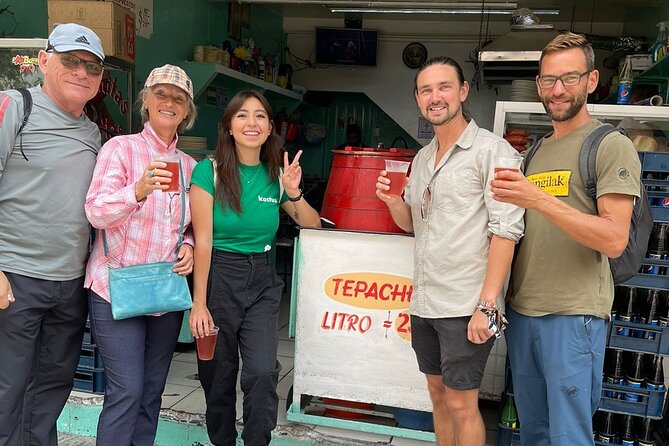
The route is about three hours, and the stops add up to a steady day on your feet. One account notes that some people had difficulty on cobblestones, slowing the group enough that not every planned stop could be completed. That is a fair warning: the schedule is ambitious, and a group’s pace can affect how much you see.
Mexico City’s elevation is another factor. If you are not acclimated, the walk may feel more demanding than the distance suggests. There are limited places to sit, though Plaza Tolsá is planned as a shaded rest stop. Bring water, wear comfortable shoes and consider the sun when choosing your departure time. Guides have been attentive to shade, but weather and conditions can change.
The route is not described as inaccessible, and most people can participate, but the cobblestones and length are worth considering if you have mobility concerns or need frequent breaks. Service animals are allowed. If you need a particular accommodation, ask the operator before booking rather than assuming the standard pace will suit you.
Is the tour good value?
No price is provided here, so I can’t compare the cost with other paid walks. The value depends on what you want: a guided, English-language overview of several central landmarks, a small group, and a scheduled interior visit to the Diego Rivera murals. The guide’s ability to connect the sites and answer questions is central to what you are paying for.
One person felt the tour resembled a free, tip-based walk and would rather have paid a student guide directly. That is a useful point to weigh, particularly because the provider is called Kactus Free Walking Tour while the experience is booked through a service. Check the final price and how tips work before you commit. Tips are not included.
The tour does include group discounts and a mobile ticket. Transport to the meeting point and purchases of food or sweets are extra. Free cancellation is available until 24 hours before the start time; within 24 hours, the payment is not refunded. Bad weather or a failure to meet the minimum group size may lead to a new date or a full refund.
Who should book this walk?
I’d choose this tour if you’re new to Mexico City and want a practical first orientation before exploring the center on your own. It suits visitors who enjoy history told through buildings, want to see the main sights in one outing and appreciate having a guide explain how Mexica, colonial and modern Mexico fit together.
It’s also a good fit if you like asking questions and prefer a small group to a large tour. The broad range of subjects, from murals and architecture to Indigenous languages and food, makes it more useful than a simple march past monuments.
Skip it, or choose a slower option, if three hours on foot is too much, you need lots of seated breaks, or you want extended visits inside museums and landmark buildings. This walk is an introduction, not an in-depth tour of every stop. If you book, arrive ready to walk, ask questions and use the guide’s recommendations to decide where to spend more time afterward.
FAQ
How long is the walking tour?
It lasts about three hours.
Where does the tour start?
It starts at Plaza de la Constitución in Mexico City’s Centro Histórico.
Where does the tour end?
It ends at Edificio Guardiola, beside the Palace of Fine Arts and the House of Tiles.
Is the tour offered in English?
Yes. English is an offered language.
How large is the group?
The group has a maximum of 10 people.
Is admission to the Diego Rivera murals included?
Yes. Admission to the Museo Vivo del Muralismo is included.
Are cathedral entry and transport to the meeting point included?
Cathedral admission is not included. Transportation to the meeting point is also not included.
Are tips included?
No. Tips are not included.
Can I bring a service animal?
Yes. Service animals are allowed.
What is the cancellation policy?
You can cancel at least 24 hours before the start time for a full refund. Cancellations or changes made less than 24 hours before the start time are not accepted, and the payment is not refunded.
More history tours around Mexico City
- Mexico City Historical Centre Food Tour with 7 Authentic Tastings
★ 5.0 · 723 reviews - Mexico City: Guided walking tour through the most historic parts of the city.
★ 4.5 · 172 reviews - Private Walking Tour Gems of the Historic Center of Mexico City
★ 5.0 · 87 reviews - Mexico City: Historical walking tour of Tenochtitlan
★ 4.9 · 69 reviews
New on the list in Mexico City
- Private & Tailor Made Tour to Teotihuacan Pyramids!★ 5.0 · 37 reviews
- Private Tour: Pyramids of Teotihuacan and Piramides of Atlantes de Tula★ 5.0 · 26 reviews
- Xochimilco Tour★ 5.0 · 26 reviews
- Private tour to Queretaro and San Miguel de Allende★ 4.0 · 10 reviews
- Private Street Food & Mural Art Tour in Mexico City★ 3.5 · 3 reviews
- Private tour Antropology Museum Frida Khalo museum and Leon Trotskyi museum★ 5.0 · 3 reviews
- Private Tour: Museum of Anthropology and Chapultepec Castle★ 5.0 · 3 reviews
- Teotihuacan Private Tour, Cave Breakfast and Transportation★ 5.0 · 51 reviews
Mexico City Historic Center Tours, compared.



Muralist Art Semi Private Walking Tour in Mexico City Downtown
Read our review →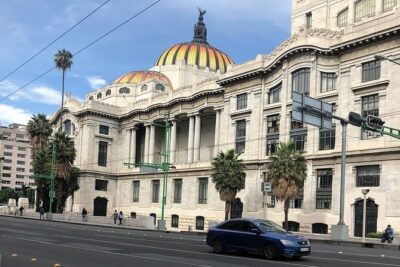
Mexico City Layover Tour: Downtown City Sightseeing
Read our review →
Teotihuacan & Anthropology Museum, Templo Mayor & City Tour
Read our review →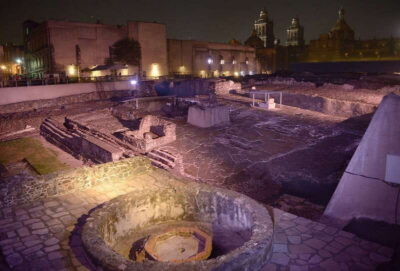
Browse the lists this tour appears in