
Reviewed · MEXICO CITY PRIVATE TOURS
LGBTIQ+ History of Mexico private tour
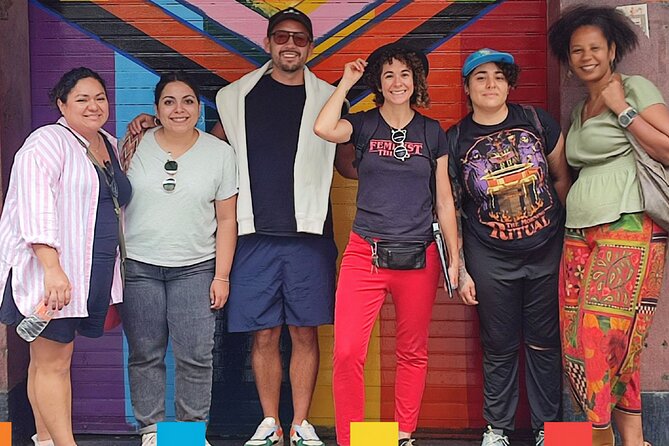
Mexico City’s LGBTIQ+ history takes you from pre-Hispanic ideas about gender and sexuality to the first Pride protests, all within the city’s historic center. This private tour links major events and cultural figures to places you can see, giving you a focused way to approach a subject often left out of standard city tours.
I like two things in particular: the route makes room for both well-known names such as Frida Kahlo and Juan Gabriel and less familiar subjects, including the Baile de los 41 and transgender history. And a private guide means you can ask questions at your own pace, while snacks, water and a pulque tasting or another beverage add a welcome pause.
The main consideration is the walking. The tour lasts about three to four hours, with considerable time on your feet, and the historical topics span many centuries. If you want a slow, detailed discussion at every stop, you may need to agree on priorities with your guide.
- Eight stops connect the city’s historic center to stories of sexuality, gender identity and queer activism.
- The route moves across centuries, from pre-Hispanic cultures through colonial Mexico, independence, revolution and modern life.
- The Baile de los 41 gets a dedicated 40 minutes, a substantial stop for one of the tour’s key historical subjects.
- Frida Kahlo, Chavela Vargas and Juan Gabriel are part of the conversation, alongside other Mexican queer icons.
- A drink and a queer souvenir are included, with pulque or another beverage offered.
- Private transportation depends on the option you book; otherwise, you meet in the Historic Center and walk.
A city walk with a different historical lens
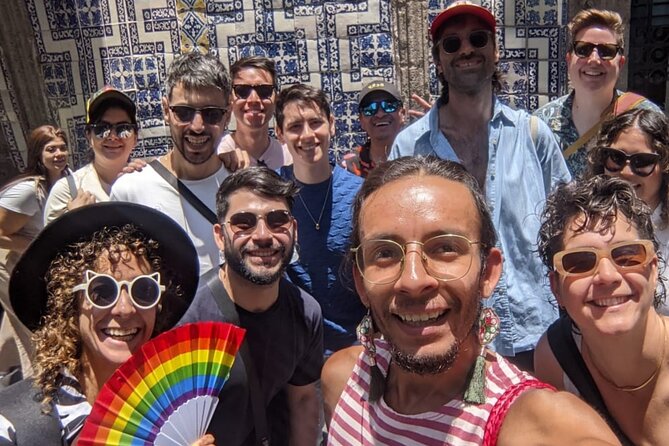
This tour is not simply a list of famous queer figures. Its route sets out to explore how Mexican ideas about sexuality and gender have changed, and how those changes played out across distinct periods. You begin with pre-Hispanic cultures, move through colonial rule and independent Mexico, then finish with modern artists and early LGBTIQ+ activism.
That broad sweep is useful if you want more than a stop at a single museum or monument. The guide connects the subject to places in the Historic Center, giving you a sense of where the conversation unfolds. The itinerary is compact, too: all eight stops are in central Mexico City, with the meeting point at Museo Archivo de la Fotografía and the official end at Marrakech Salon.
The tour is private, so only your group takes part. That matters for a topic that can prompt personal questions, and it lets your group spend more time on the subjects that interest you most. The experience is offered in English.
From pre-Hispanic beliefs to colonial rule
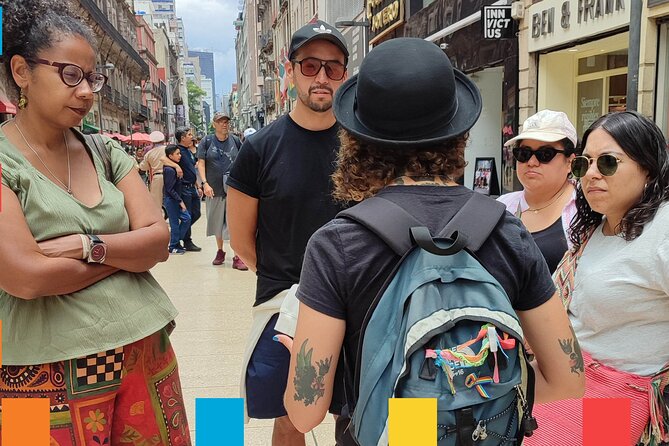
The first two stops introduce the tour’s earliest historical themes. At the Zócalo, your guide provides a brief introduction to pre-Hispanic cultures, including the Aztecs, Maya, Toltecs and Totonacs, and explains how their cosmologies influenced views of sexuality. You have about 20 minutes here, so think of it as a starting frame rather than an exhaustive survey of several civilizations.
At the Coyolxauhqui stop, the discussion turns more directly to how native cultures viewed homosexual practices, sexuality and gender identity. This is a valuable opening because it places those questions in their own cultural settings instead of treating modern categories as timeless. The tour description does not promise a particular object or museum entry at this stop, so the emphasis is on the guide’s explanation.
You then reach the Metropolitan Cathedral, where the conversation shifts to colonial rule. The guide addresses how diversity was treated, how sodomy was punished and which figures shaped this period. Allow roughly 20 minutes. This is a sharp change of subject, and the contrast helps show how political and religious systems could affect private lives.
The early stops are brisk by design. If pre-Hispanic belief systems or colonial legal history are your main interest, ask your guide what the group can explore in greater depth. A private tour gives you a chance to steer the conversation, but the schedule still has eight stops to cover.
More private tours around Mexico City:
- Teotihuacan Private Tour from Mexico City
★ 5.0 · 1,890 reviews - Private Tour: Teotihuacan and Guadalupe Shrine
★ 5.0 · 938 reviews - Private City Tour in Frida Kahlo, Coyoacan, and Xochimilco
★ 5.0 · 626 reviews
The Baile de los 41 and a changing Mexico
Avenida Francisco I. Madero receives one of the longer visits, about 40 minutes. Here the tour covers transgender heroes, intersexuality, Mexican dandies and homosocial relationships during the first century of independent Mexico. It also tackles the Baile de los 41, a subject the guide addresses directly by asking what really happened.
That extra time is welcome. The topics reach beyond a single famous event and consider how gender expression, social relationships and public scrutiny intersected. If you are drawn to the Baile de los 41, this is the stop to ask questions and give the subject time to breathe.
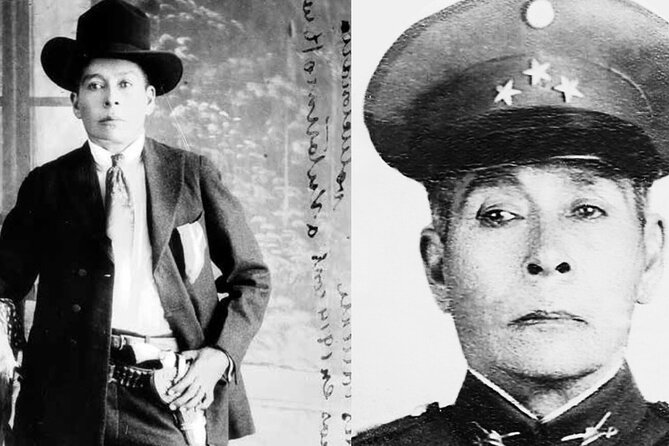
At La Opera, the focus moves to diversity during the Mexican Revolution. The discussion includes Emiliano Zapata and the first transgender person to be officially recognized. This stop lasts about 20 minutes, and admission is listed as included. The value here is the shift in historical setting: queer history is presented alongside a period of upheaval rather than as a separate footnote.
The following 30-minute stop in the Historic Center looks at modern Mexico. Your guide discusses the first openly homosexual figures in Mexican history, their artworks, connections to international queer icons and the beginnings of cruising. The subjects bring art and social life into the route, though the available details do not specify which works or sites you will see. If particular artists interest you, ask whether they are part of the discussion.
Queer icons, activism and a drink at the finish

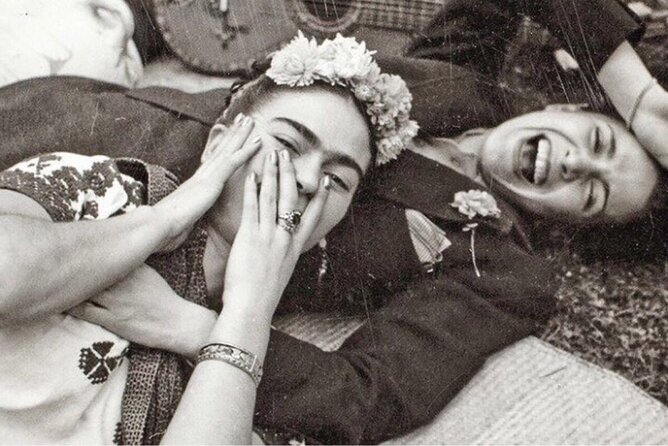
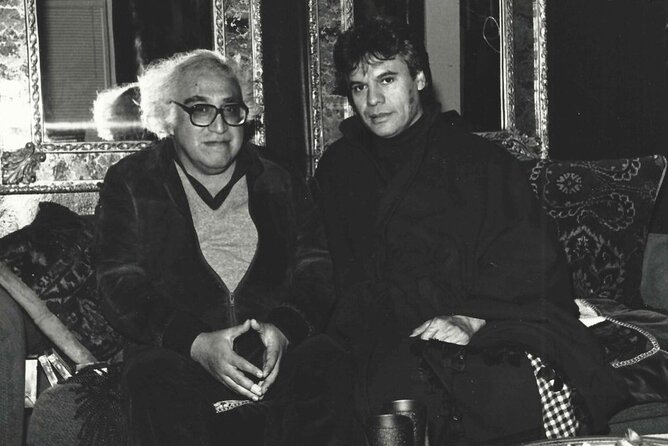
At Alameda Central, expect about 40 minutes on Mexico’s best-known queer icons and the stories attached to them. Frida Kahlo, Chavela Vargas and Juan Gabriel are among the figures named. The guide addresses myths as well as truths, which makes this a useful chance to separate public image from historical discussion.
Admission at Alameda Central is not included, though the stop is not described as requiring a paid ticket. The itinerary gives no further details about any additional costs, so bring a little spending money if you want flexibility during the walk.
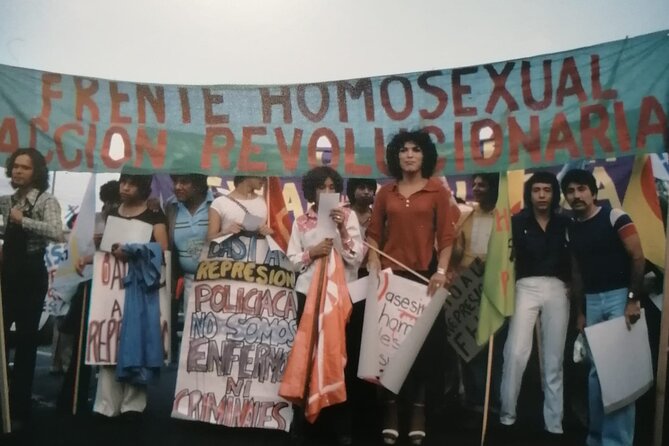
The final stop is Marrakech Salon, where the conversation turns to the country’s first Pride protests and key human-rights advocates in the LGBTIQ+ community. The tour officially ends here, at República de Cuba 18. The guide also invites the group for pulque at a nearby restaurant if they wish. Pulque or another beverage is listed among the inclusions, along with snacks, bottled water and a queer souvenir.
A past tour with guide Cami from Frida Tours included a drive through neighborhoods the guest had hoped to see, ending in Zona Rosa, as well as tacos al pastor. That account describes a personalized outing, not a guaranteed part of every booking. If you are hoping to include a neighborhood drive, a particular food stop or extra time in Zona Rosa, ask about it when confirming your plan.
What the price includes, and what it means
The listed price is $93.84 per person. For that, you get a private experience, a guide, snacks, bottled water, a pulque tasting or another beverage, and a queer souvenir. Private transportation is included only with the option that offers transport, so check the exact choice before booking rather than assuming your hotel pickup is part of the base price.
The value depends on what you want from a city tour. If your priority is a broad, guided introduction to LGBTIQ+ history in central Mexico City, the private format and eight-stop route can make the cost worthwhile. You are paying for a focused subject and a guide who can respond to your group, not just a ride between attractions.
The experience is around three to four hours, and the itinerary’s stop times total roughly three and a half hours. Consider the walking and standing before you book. The tour is near public transportation, service animals are allowed, and most people can participate, but the route is not presented as a seated or low-walking activity.
The tour is booked, on average, 92 days ahead. That does not mean you must reserve that early, but it is sensible to plan in advance if your dates are fixed. Group discounts are offered, and the activity is available in English.
More history tours around Mexico City:
- Historic Downtown Walking Tour
★ 5.0 · 1,289 reviews - Historic Center Food Tour in Mexico City
★ 5.0 · 1,263 reviews - Mexico City: Historic Downtown Walking Tour
★ 4.8 · 1,039 reviews - Walking Tour of the Historic Center of Mexico City
★ 5.0 · 870 reviews
Make the most of your private tour
The day before, the guide texts the lead traveler to confirm the meeting or pickup location, time and number of people. Depending on the option selected, you either depart from your accommodation with private transport or meet in the Historic Center. The stated meeting point is Museo Archivo de la Fotografía, República de Guatemala 34.
Before the walk, decide which parts of the subject matter matter most to you. The itinerary covers a great deal in a few hours, from pre-Hispanic cultures to the start of Pride protests. Tell the guide if you especially want to discuss artists, colonial punishment, the Baile de los 41 or modern activism. That is a practical way to make a wide-ranging tour feel relevant to your group.
Wear comfortable walking shoes and bring water, though bottled water is included. The experience requires good weather; if poor weather forces a cancellation, you are offered another date or a full refund. You can cancel for a full refund up to 24 hours before the start. Changes or cancellations made inside that 24-hour window are not accepted or refunded.
Should you book this tour?
Book it if you want a guided introduction to Mexican LGBTIQ+ history that connects people, events and social change to central Mexico City. The strongest reasons are the private format, the wide historical span and the attention given to subjects such as the Baile de los 41, queer artists and early activism.
It is a less natural fit if you want a museum-focused visit, minimal walking or a deep academic treatment of just one period. You cover a lot in three to four hours, so the discussion has to move. If that trade-off suits you, this is a practical way to put queer history at the center of your Mexico City visit.
FAQ
How long does the tour last?
It lasts approximately three to four hours.
Is this a private tour?
Yes. Only your group participates.
Where does the tour start and end?
The stated meeting point is Museo Archivo de la Fotografía in the Historic Center. The official end point is Marrakech Salon on República de Cuba.
Is pickup included?
Pickup depends on the option you choose. With the private transportation option, the tour can depart from your accommodation. Otherwise, you meet in the Historic Center.
What is included?
Snacks, bottled water, a queer souvenir and pulque or another beverage are included. Private transportation is included only with the option that offers it.
Can I cancel for a full refund?
Yes, if you cancel at least 24 hours before the experience starts. Cancellations made less than 24 hours before the start are not refunded.
New on the list in Mexico City
- Private & Tailor Made Tour to Teotihuacan Pyramids!★ 5.0 · 37 reviews
- Private Tour: Pyramids of Teotihuacan and Piramides of Atlantes de Tula★ 5.0 · 26 reviews
- Xochimilco Tour★ 5.0 · 26 reviews
- Private tour to Queretaro and San Miguel de Allende★ 4.0 · 10 reviews
- Private Street Food & Mural Art Tour in Mexico City★ 3.5 · 3 reviews
- Private tour Antropology Museum Frida Khalo museum and Leon Trotskyi museum★ 5.0 · 3 reviews
- Private Tour: Museum of Anthropology and Chapultepec Castle★ 5.0 · 3 reviews
- Teotihuacan Private Tour, Cave Breakfast and Transportation★ 5.0 · 51 reviews
Mexico City Private Tours, compared.
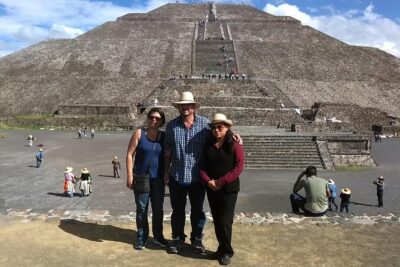
Private Tour: Teotihuacan and Guadalupe Shrine
Read our review →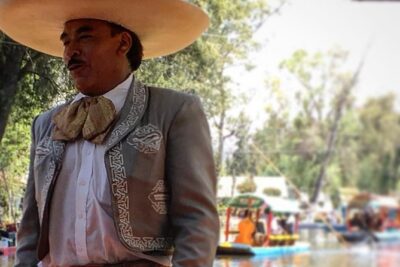
Private City Tour in Frida Kahlo, Coyoacan, and Xochimilco
Read our review →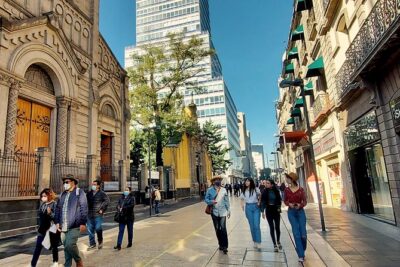
Mexico City Custom Private Tour with a Local, Highlights & Hidden Gems
Read our review →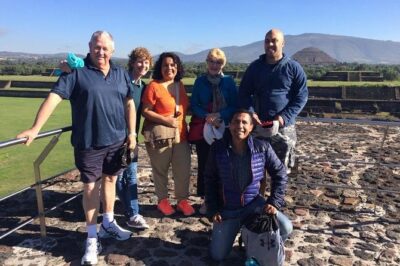
Teotihuacan Private Tour with Expert Guide & Cultural Insights
Read our review →
100% Private Tour in Teotihuacán Pyramids from Mexico City
Read our review →
Anthropology Museum Private Experience Walking Tour
Read our review →Browse the lists this tour appears in