
Reviewed · ANTHROPOLOGY MUSEUM TOURS
National Museum of Anthropology: a journey into Mexico’s past – English lang.
The most useful key to Mexico’s ancient art is not a date or a dynasty, but an idea: how people understood the world around them. This three-hour tour uses symbols such as snakes, eagles, jaguars, the sun, and the moon to make the worldview behind the objects easier to grasp.
I like the tour’s focus on meaning rather than a sprint through every gallery, and I like that guide Hector Balderas Iglesias uses questions and visual aids to help you read what is in front of you. The main consideration is the pace and subject matter: you will be on your feet for a long time, and the tour is not suitable for children under 16.
- Symbolism comes first: Learn how animals, celestial bodies, and other images relate to Indigenous worldviews.
- Key galleries, not every gallery: Visit the Teotihuacan and Mexica rooms, the Mural of Duality, and more.
- A replica with a story: See the reconstruction of the tomb of Pakal the Great.
- A private English tour: The three-hour walk is for your group, with museum admission included.
- Plan for a focused visit: Expect standing, listening, and interpretation rather than a quick photo stop.
Read the Symbols Before the Dates
Mexico’s National Museum of Anthropology can feel like several museums under one roof. Its rooms bring together objects from cultures that developed distinct architecture, calendars, farming systems, mathematics, and social structures. A guided visit can help you connect those pieces instead of meeting each artifact as an isolated display.
This tour takes a thematic route through selected rooms. Its central question is how ancient peoples understood the world, and how that understanding appears in painted images, carved stone, and decorated vessels. That approach is useful if you have ever looked at a jaguar, eagle, or snake motif and wondered why it mattered.
Rather than treating symbols as decoration, Hector explains how they can express ideas about nature, power, and the cosmos. The sun and moon also enter the discussion. You are not expected to arrive with specialist knowledge; the point is to build a basic framework, then use it to make sense of what you see.
That framework can be more memorable than a list of rulers and dates. Once you have a way to interpret a symbol, you can carry it into other museum rooms and sites around Mexico City. I would consider taking this tour early in a visit if you plan to explore more archaeology afterward.
Meet Near the Mexican Flag
The meeting point is near the Mexican flag at the museum entrance. That gives you a clear landmark, but make sure you allow enough time to reach the entrance and find your guide. Getting to the museum is not included, so you will need to arrange your own transport.
The tour is private and conducted in English. That matters in a museum this large: you can follow one guide’s explanation and ask questions without having to keep pace with a large public group. The experience lasts three hours, with guided time followed by free time in the museum.
Admission to the museum and its permanent exhibitions is included, and the tour offers skip-the-ticket-line access. The museum is in Bosque de Chapultepec, a useful location to pair with other plans in the area, though the tour itself is on foot and focused on the museum.
More Anthropology Museum tours around Mexico City:
- Chapultepec Castle & Anthropology Museum Tour
★ 4.5 · 1,348 reviews - Anthropology Museum Guided Tour
★ 4.5 · 1,035 reviews - Mexico City: Anthropology Museum Guided Visit
★ 4.4 · 708 reviews
Start With the Mural of Duality
The Mural of Duality is one of the tour’s opening stops. Its place near the beginning makes sense: the guide uses it to introduce the way of seeing that will help you interpret later objects. Instead of beginning with a catalogue of artifacts, you get a broad idea of how a worldview can shape artistic choices.
The tour also pauses at the umbrella, where Hector explains its relation to that worldview. These first stops are important because they give you a vocabulary for the rest of the visit. When the guide asks you to look closely at a detail, you have a context for thinking about why it might be there.
This style is more like a discussion than a lecture delivered at a distance. Hector’s approach has included asking questions about glyphs and using visual material on an iPad, including reconstructions and additional images. Those tools can help you compare what remains in the museum with how an object or place may once have looked.
The tradeoff is that a thematic explanation may not follow the museum’s full chronological story. If you want to see every gallery or focus on dates and dynasties, three hours will not cover it all. This tour is designed to explain selected highlights, not to provide a room-by-room survey.
Teotihuacan: A City in Its Own Room
The Teotihuacan room is one of the main stops. Here, the guide connects objects with the broader ideas introduced earlier, helping you consider how the culture’s beliefs and systems show up in its material remains. The value lies in the interpretation: without it, you may recognize a striking object but miss the ideas it carries.
Teotihuacan is also useful as a point of comparison with other cultures featured in the museum. Hector’s explanations have drawn on examples from other parts of the world, giving you a way to compare broad ideas without pretending that different cultures are interchangeable. If you enjoy asking how societies understand nature and human life, this can be a rewarding part of the tour.
The museum’s scale makes such guidance practical, not just academic. You may be tempted to walk quickly from one impressive display to another, but a guide can point out details that are easy to overlook. Hector has used a laser pointer to draw attention to features that might not catch your eye on your own.
Mexica Art and the Meaning of Animals
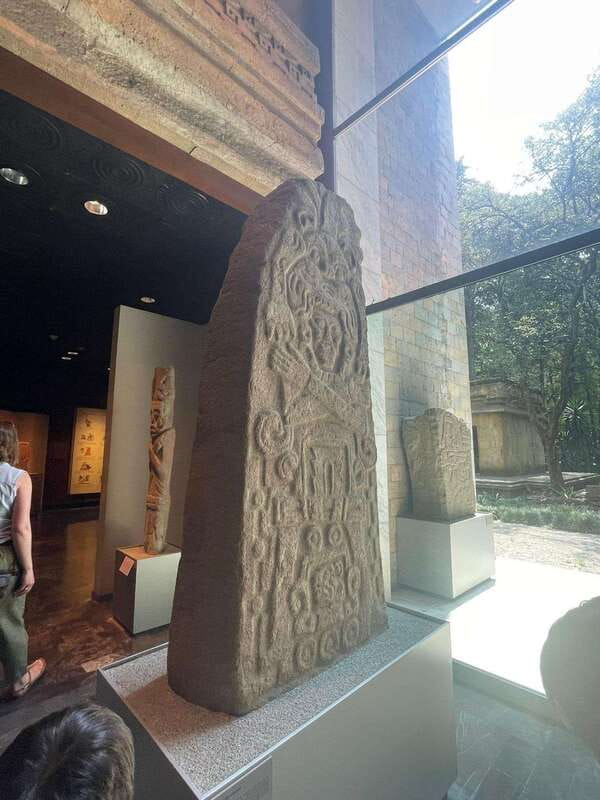
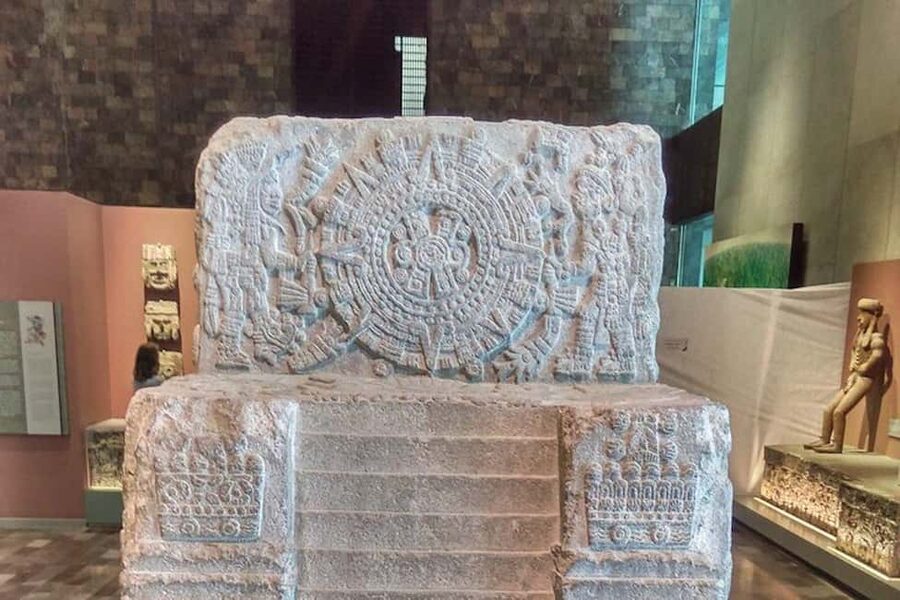
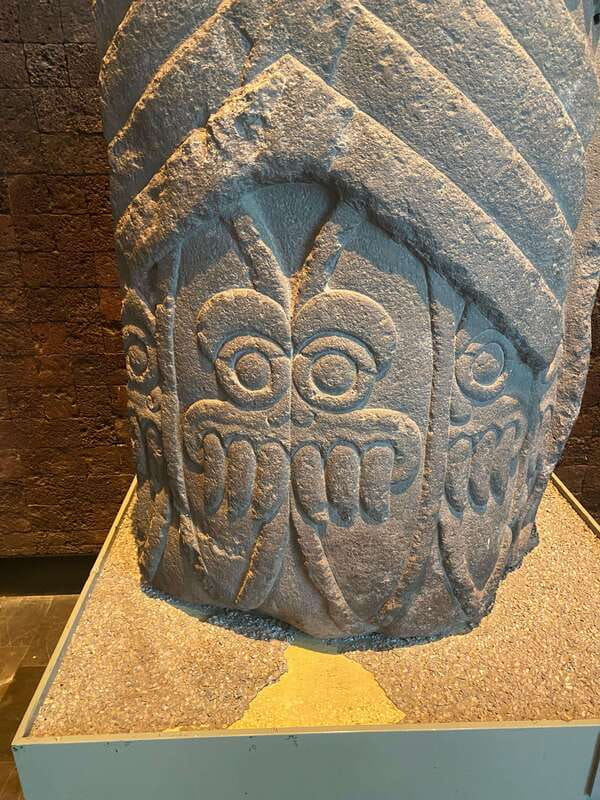
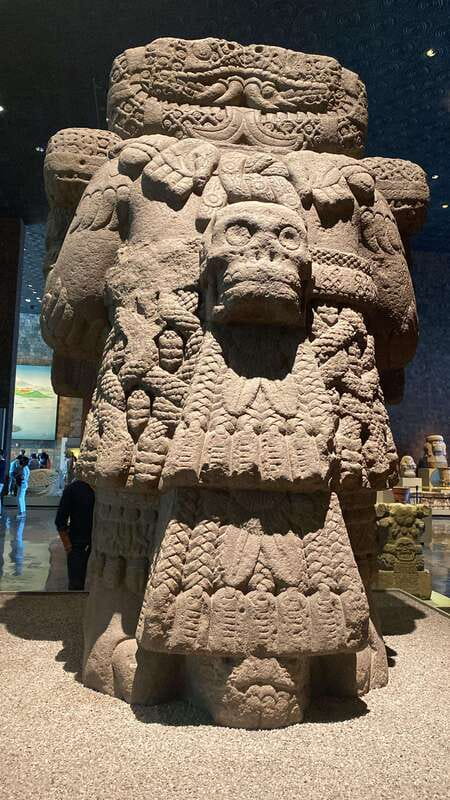
The Mexica, often called the Aztecs, have a dedicated room on the route. The tour uses this stop to explore the significance of imagery and symbols in the culture. The questions are concrete: why depict certain animals, and why include them in clothing, painting, or carved designs?
Snakes, eagles, and jaguars are not treated simply as recognizable creatures. The discussion asks what they might mean within a larger system of thought. This is a helpful shift if you are used to looking at museum art mainly for its craftsmanship or age. You begin to ask what the image communicates, and to whom.
The tour’s focus on femininity in Mesoamerica is another distinctive theme. It encourages you to look beyond the familiar emphasis on rulers and warfare and consider how gender and feminine ideas fit into the worldview being discussed. The information provided does not promise a separate gallery or a fixed set of objects for this topic, so expect it as part of the wider interpretation rather than a standalone exhibit.
For visitors who like to learn by connecting ideas, this can be the most engaging section. Hector’s teaching style has included using questions to help you work out meanings rather than giving you only a string of facts. You still get guidance, but you are invited to take part in the interpretation.
More museum tours around Mexico City:
- CDMX: Xochimilco, Coyoacan, Frida Kahlo Museum & Murals Tour
★ 4.4 · 3,025 reviews - Frida Kahlo VIP [Museum Tickets Included] Bike, Markets & Churros
★ 5.0 · 1,072 reviews - Frida Kahlo VIP [Museum Tickets Included] Walk, Markets & Churros
★ 5.0 · 982 reviews - EXCLUSIVE TOUR Frida Kahlo Museum – SMALL GROUPS
★ 5.0 · 901 reviews
Pakal’s Tomb, Recreated Indoors
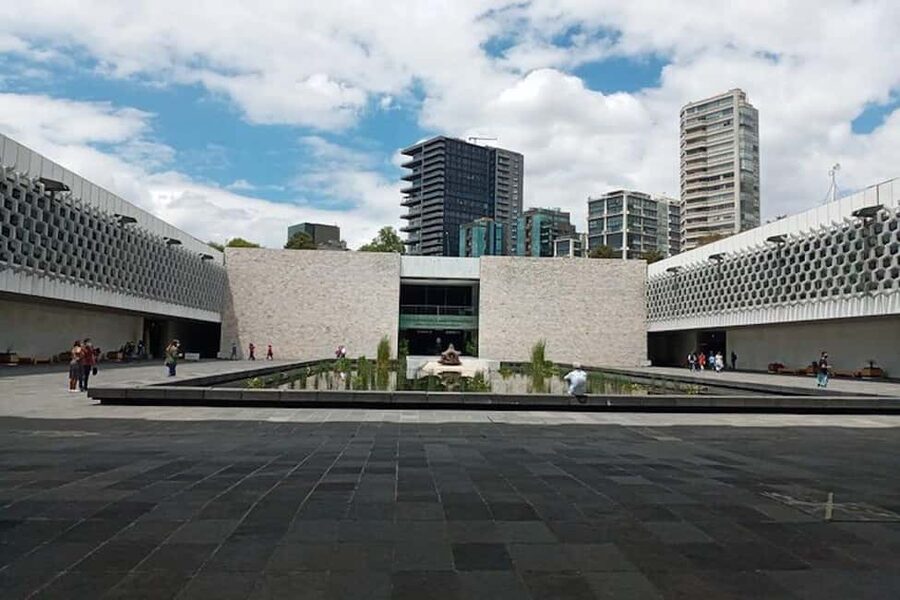
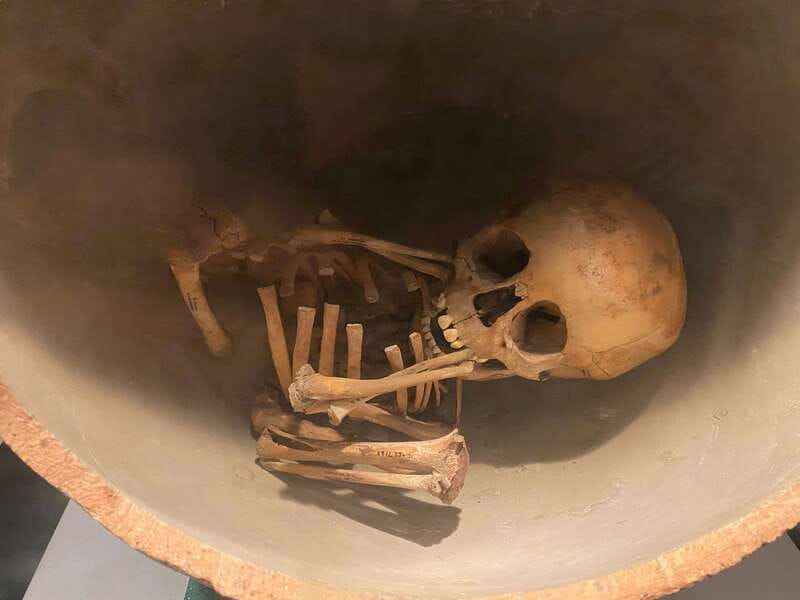
A replica of the tomb of Pakal the Great is included in the guided route. A reconstruction can give you a sense of a tomb’s form and significance that is hard to get from a small object behind glass. Hector explains the replica, tying it to the wider story of ancient Mexican cultures.
The stop also offers a change of scale. After looking at symbols and individual artifacts, you can consider how a burial space fits into a culture’s beliefs and social world. The tour does not claim to visit the original tomb, so think of this as an interpretive museum display, not an archaeological site visit.
The replica is one reason this tour suits people who want a guided overview of selected highlights. It gives the guide a substantial object to discuss, while keeping the visit within the museum. You will not need to travel elsewhere during the three-hour experience.
Three Hours That Reward Attention
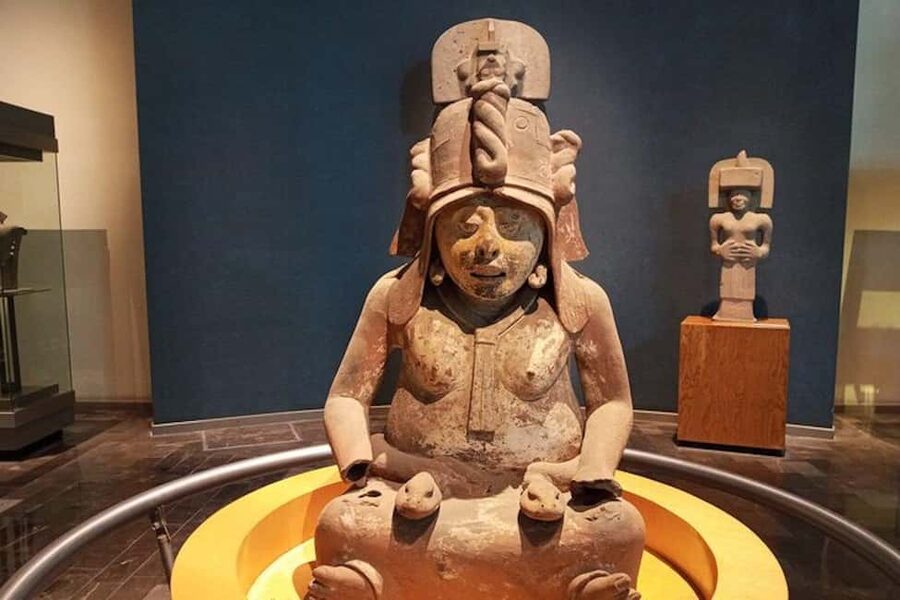
The tour lasts three hours and involves walking and standing for extended periods. That is enough time to build a coherent understanding of several important rooms, but it is not a relaxed, seated presentation. Wear comfortable shoes and clothes, and be ready to listen for sustained stretches.
The museum is wheelchair accessible, according to the activity information. Since the tour is on foot and includes prolonged standing, contact the provider if you need to clarify how the pace or route will work for your needs. The activity is not intended for children or teenagers under 16, because its cosmological explanations are aimed at an older audience.
The private format gives your group the guide’s attention, but there is no stated group-size limit beyond the tour being private. Some content is shown in its original language, even though the live guide speaks English. If you are especially interested in a particular culture or subject, you can use the private format to ask whether it fits within the route.
Museum rules make light packing wise. Food and drinks, large bags and backpacks, plastic bags and bottles, selfie sticks, tripods, professional cameras, and flash photography are among the prohibited items. The list also bars touching exhibits and audio recording, so plan to listen and look rather than record the explanations.
Is $75 a Fair Price?
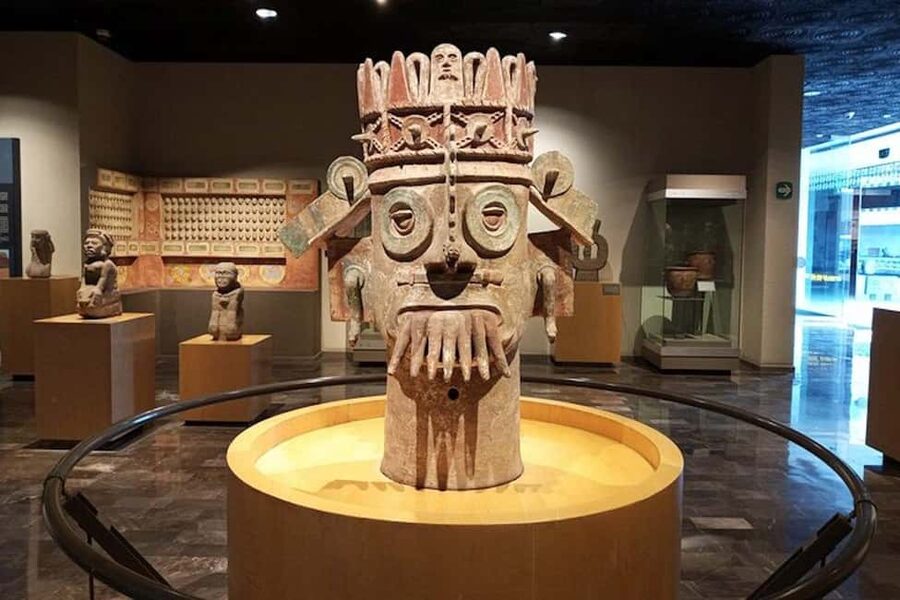
At $75 per person, this is not a budget way to enter a museum. The price includes admission to the permanent exhibitions and a private, three-hour guided walk in English. You are paying for interpretation and a focused route through a very large museum, not just for the ticket.
That value depends on how you like to visit museums. If you prefer to wander alone, read display labels, and choose your own pace, you may get more from a regular admission. If you want someone to connect symbols, cultures, and objects into a clear story, the guide can make the extra cost worthwhile.
The tour’s strongest value is its method. Hector has used an iPad with images and reconstructions, and has encouraged visitors to interpret glyphs and notice details. That kind of support is particularly useful if you are new to Mesoamerican art, or if you have found museum visits hard to remember when they are organized as a long sequence of dates.
The tour has a 4.8 rating from 26 reviews, and its most consistent strengths are the guide’s clear explanations, enthusiasm, and ability to keep the experience engaging. That is promising, but the subject is still specialized. If cosmology and symbolism sound like homework rather than fun, the tour may not be your best match.
Who Should Book This Tour?
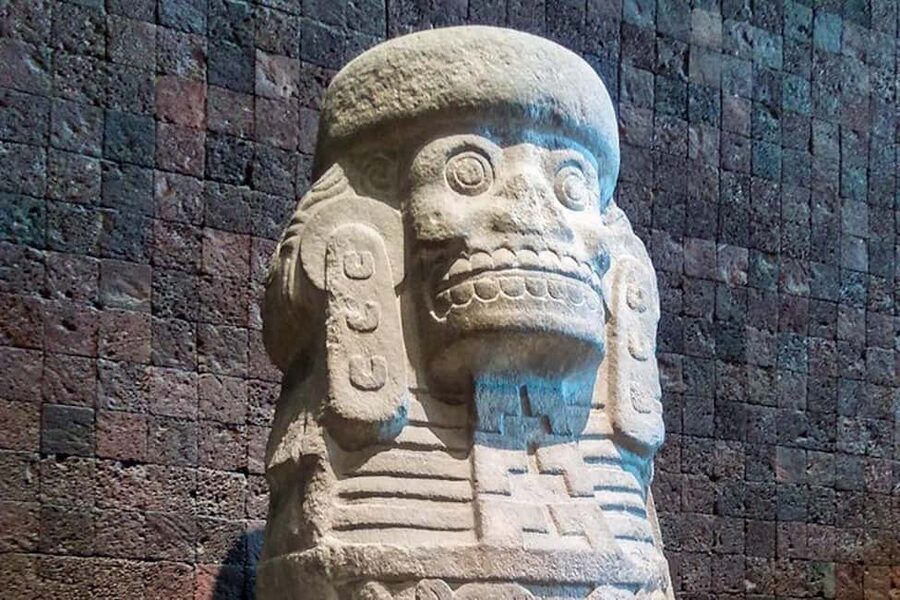
I would recommend it to curious adults who want to understand what ancient Mexican art is saying, not simply see the biggest objects. It is especially useful if this is your first visit to the museum, or if you plan to see archaeological sites and want a framework to take with you.
It also suits people who learn well through conversation. Hector’s use of questions, comparisons, and visual aids can make a complex subject easier to follow. The tour is not meant to change your beliefs; its stated aim is to help you understand a different worldview.
I would choose another option if you need a short, low-effort visit, want to explore the museum independently, or are traveling with children under 16. Three hours on foot is a substantial commitment, and the content is intentionally focused on ideas that need time and attention.
Should You Book?
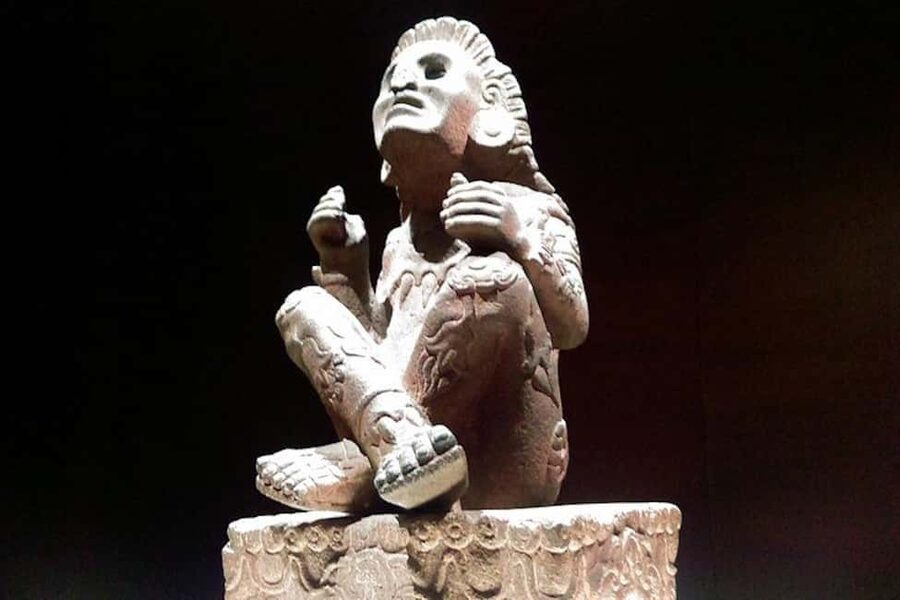
Book this tour if symbols, cosmology, and the cultures behind the museum’s objects interest you. Hector’s thematic approach can turn a large museum into a more coherent visit, and the included admission adds practical value to the $75 price.
Skip it if you mainly want a quick overview or a self-paced wander. For the right visitor, though, three hours with a guide who connects artifacts to ideas is a good way to make the museum’s displays more legible and memorable.
FAQ
How long is the tour?
The tour lasts three hours. It includes guided time in the museum and free time afterward.
Is museum admission included?
Yes. Admission to the museum and its permanent exhibitions is included.
What language is the tour in?
The live guide speaks English. Some content is shown in its original language.
Is this a private tour?
Yes. The activity is listed as a private group tour.
Where is the meeting point?
Meet near the Mexican flag at the entrance of the National Museum of Anthropology.
Does the tour include transport to the museum?
No. Getting to the museum is not included.
Is the tour suitable for children?
It is not suitable for children or teenagers under 16. The tour’s cosmological explanations are intended for an older audience.
Is the museum wheelchair accessible?
Yes, the activity information describes the tour as wheelchair accessible. The visit is on foot and includes standing for long periods.
What should I bring?
Wear comfortable shoes and comfortable clothes. Food, drinks, large bags, and several types of camera equipment are not allowed.
Can I cancel for a refund?
Yes. You can cancel up to 24 hours in advance for a full refund.
New on the list in Mexico City
- Private & Tailor Made Tour to Teotihuacan Pyramids!★ 5.0 · 37 reviews
- Private Tour: Pyramids of Teotihuacan and Piramides of Atlantes de Tula★ 5.0 · 26 reviews
- Xochimilco Tour★ 5.0 · 26 reviews
- Private tour to Queretaro and San Miguel de Allende★ 4.0 · 10 reviews
- Private Street Food & Mural Art Tour in Mexico City★ 3.5 · 3 reviews
- Private tour Antropology Museum Frida Khalo museum and Leon Trotskyi museum★ 5.0 · 3 reviews
- Private Tour: Museum of Anthropology and Chapultepec Castle★ 5.0 · 3 reviews
- Teotihuacan Private Tour, Cave Breakfast and Transportation★ 5.0 · 51 reviews
Anthropology Museum Tours, compared.
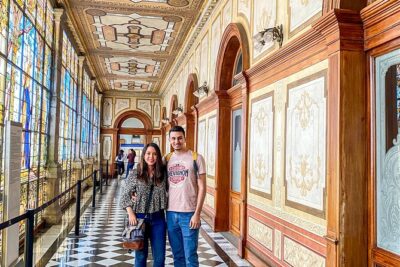
Chapultepec Castle & Anthropology Museum Tour
Read our review →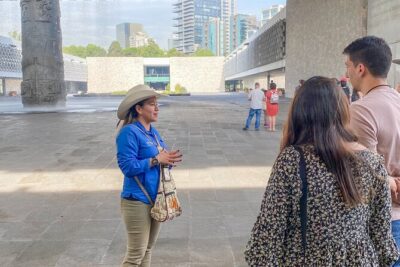
Anthropology Museum Private Experience Walking Tour
Read our review →
5 Hour Tour through Chapultepec, Anthropology Museum and Castle
Read our review →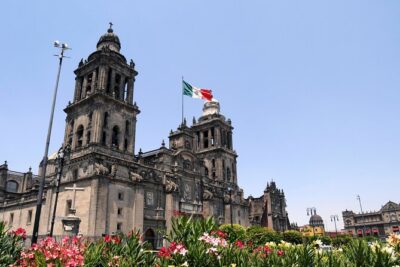
Teotihuacan & Anthropology Museum, Templo Mayor & City Tour
Read our review →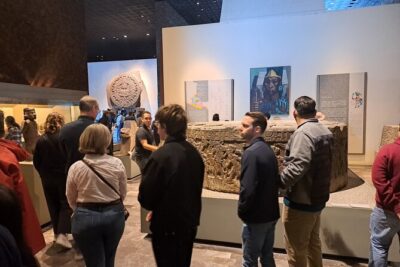
Tour Museum of Anthropology a trip to the past-Small groups
Read our review →Browse the lists this tour appears in