
Reviewed · MEXICO CITY WALKING TOURS
Mexico City: 1960s &1970s Mexican Architecture Walking Tour
Mexico City’s modern architecture makes more sense when you see it beside the older ideas it draws on. This three-hour Chapultepec walk links pre-Hispanic symbolism, modernist design, and the optimism of the 1968 Olympic era, with an expert guide to explain the connections.
I like two things in particular: the route joins three major museums with a Space Age-inspired building and Hotel Camino Real, and the guide brings art and political context into the architectural details. Natalia is especially good at adapting her commentary to your interests. One consideration: at $192 per person, this is a costly short tour, so its value depends on wanting expert interpretation as well as museum entry.
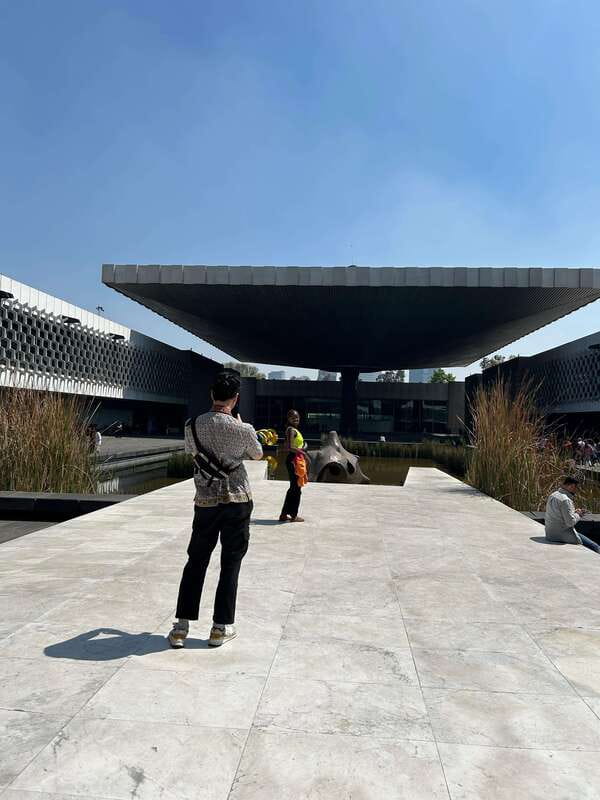
- Start with a building that looks outward to ancient Mexico: The National Museum of Anthropology uses architecture and art to express pre-Hispanic ideas.
- Compare three distinct museum designs: The Anthropology Museum, Tamayo Museum, and Museum of Modern Art are included.
- Look for the Space Age mood: A nearby 1960s structure captures the era’s futuristic design, though its name is not specified in the tour details.
- End at an Olympic-era hotel: Hotel Camino Real was built to host VIPs during the 1968 Games and holds modern Mexican art.
- Get an expert-led small-group walk: Groups are limited to 10, and the guide has a graduate degree in art history, history, or architecture.
- Plan for the weather and the ground: The tour runs rain or shine; comfortable shoes, sunscreen, and rain gear are recommended.
Reading the Anthropology Museum’s architecture
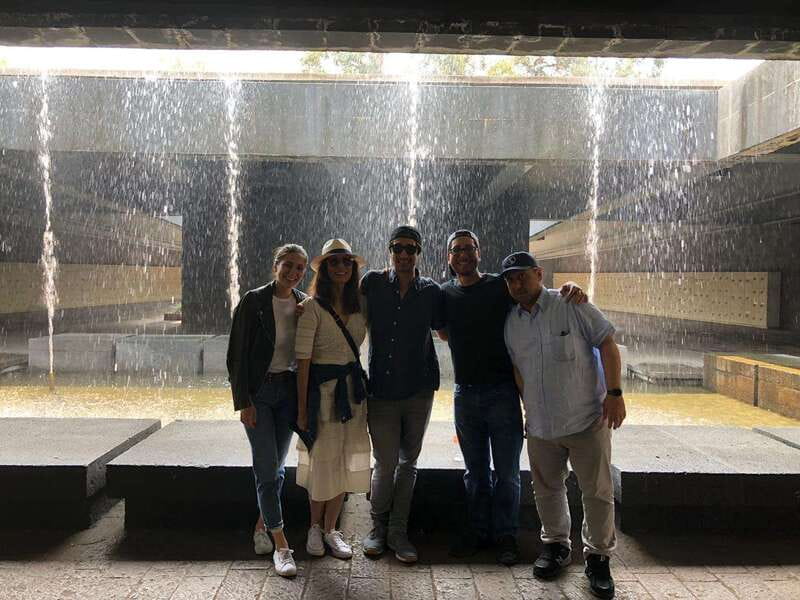
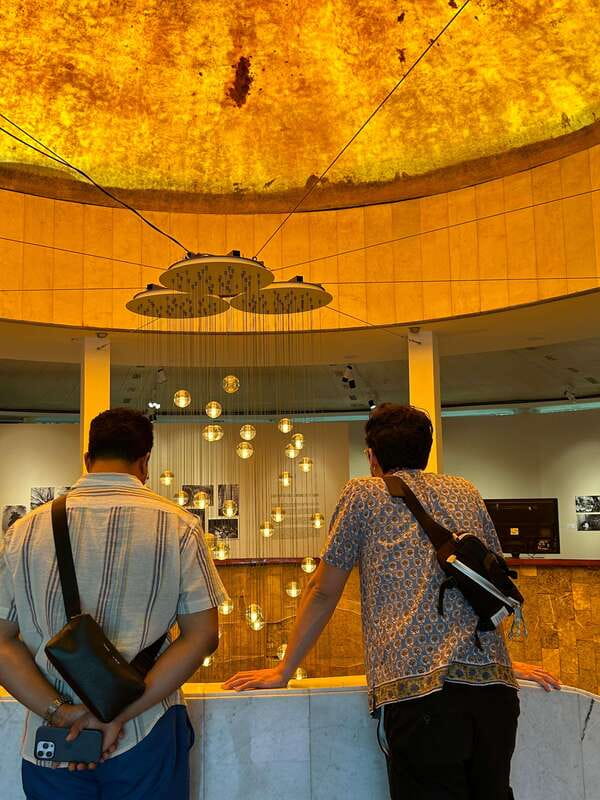
The National Museum of Anthropology is more than a first stop. It is a major work of 1960s Mexican architecture, designed by one of the country’s leading architects of the period. The tour looks at how the building’s form reflects pre-Hispanic cosmology, making architecture part of the museum’s story rather than a plain container for its collections.
The focus is also on collaboration. The architect worked with renowned artists whose sculpture and design helped bring indigenous worldviews into the building. That context gives you a way to look beyond scale and materials: notice how a modern public institution can frame Mexico’s past through its own contemporary visual language.
This is the stop where the history and architecture strands meet most clearly. One traveler who described herself as an amateur architecture fan singled out the link between Mesoamerican history and the museum’s modern design as the tour’s highlight. If you enjoy learning why a building looks and works as it does, this is likely to be the most rewarding part.
The museum is one of the three ticketed stops included in the price. You should expect the guide to explain its architectural ideas and artistic details, not simply lead you through the building. If you want a full visit focused on the museum’s collections, ask how much time the tour allows at each stop before booking; the total experience lasts three hours and covers several sites.
Comparing the Tamayo and Modern Art museums
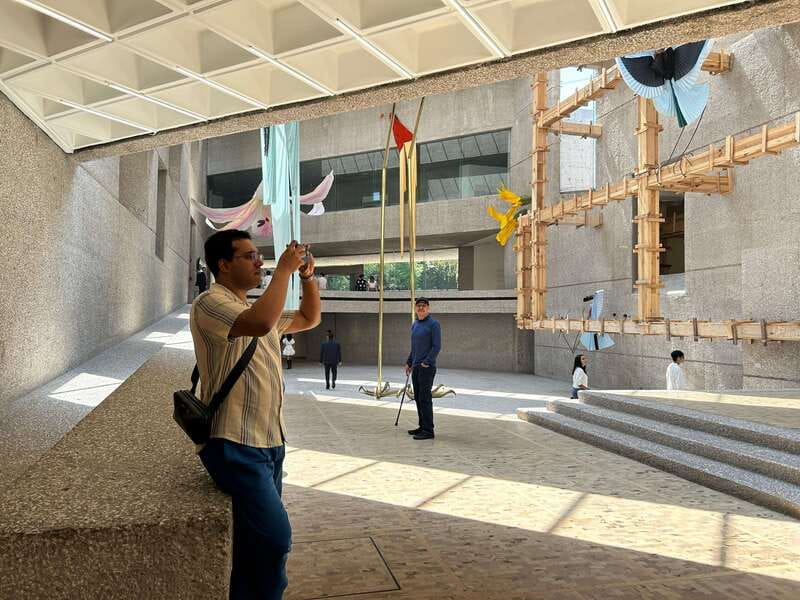
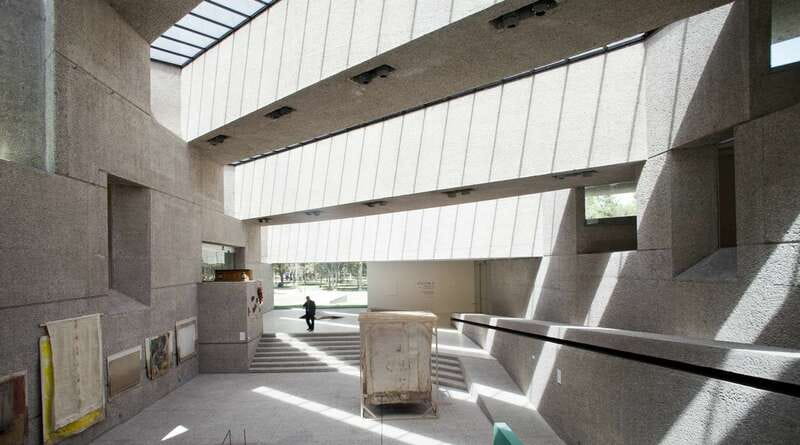
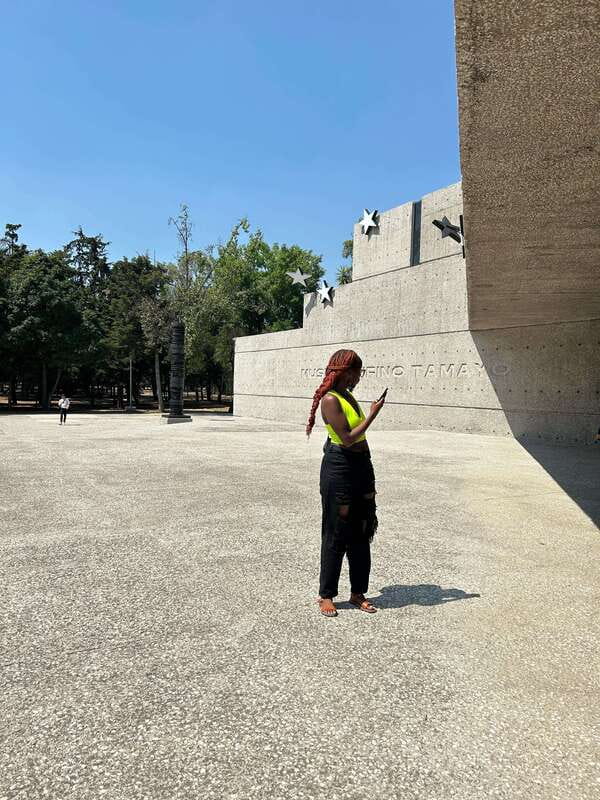
The walk continues to the Tamayo Museum of Contemporary Art, dedicated to Rufino Tamayo. Conceived by two influential architects in the early 1980s, the building takes a modernist approach while responding to its natural surroundings. It also connects contemporary design with Mexico’s artistic legacy, giving you a useful contrast with the Anthropology Museum’s direct engagement with pre-Hispanic ideas.
That contrast is the point. Rather than treating Mexican architecture as one fixed style, the route shows how different architects and institutions made different choices about history, landscape, and modernity. At the Tamayo, the guide can help you notice how a museum’s setting and shape contribute to the experience of art.
The Museum of Modern Art is also part of the tour, and its entry ticket is included. The supplied itinerary gives less detail about this stop than about the Anthropology and Tamayo museums, so you should not expect a particular exhibition or room. Its place in the route adds another point of comparison within Chapultepec’s museum cluster.
The guide’s perspective matters here. This is an architectural walk, but it includes art history and wider historical context. One guest described the experience as more focused on history than architecture, a useful expectation to keep in mind. If you want a technical tour devoted mainly to construction methods or architectural terminology, ask the operator what topics the guide will emphasize. If you want buildings explained through the art and society around them, the blend is a strength.
More walking tours around Mexico City:
- Historic Downtown Walking Tour
★ 5.0 · 1,289 reviews - Mexico City: Historic Downtown Walking Tour
★ 4.8 · 1,039 reviews - Frida Kahlo VIP [Museum Tickets Included] Walk, Markets & Churros
★ 5.0 · 982 reviews
Spotting the 1960s Space Age spirit
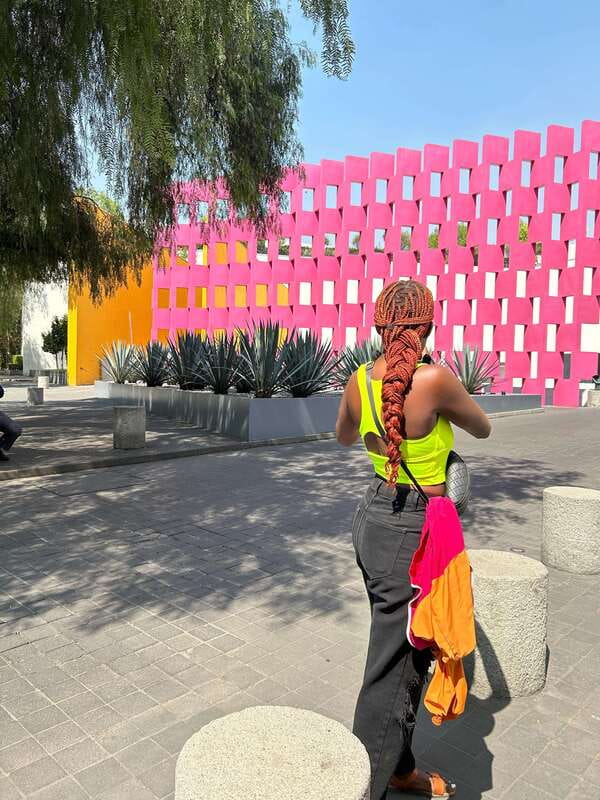
A short walk from the Tamayo, the route pauses at a 1960s structure inspired by Space Age design. Its forms and function reflect the era’s futuristic optimism, when modern architecture could suggest progress and a new way of life.
The tour details do not name the structure, so it is worth asking for its name when you book or meet the guide. Still, the stop offers a change of scale and subject: after museums built to frame art and history, you get a closer look at how the period’s design ideas appeared in another kind of building.
The broader context is useful. Mexico’s architecture in the 1960s and 1970s did not develop in isolation from politics or social change. The tour sets buildings against that period’s wider circumstances, helping you see how national identity, public culture, and modern design could overlap. Expect history to be part of the conversation, not just a list of dates and architects.
Finishing at Hotel Camino Real
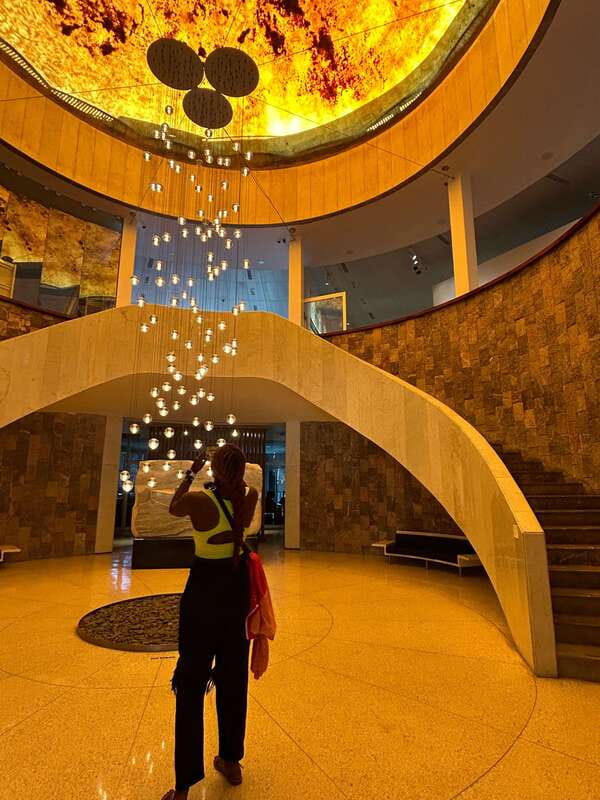
The final stop is Hotel Camino Real, built to host VIP guests during the 1968 Olympic Games. The hotel’s role links the tour to a major moment in Mexico’s recent history, while its collection of modern Mexican art gives the building a second identity as an art-filled hotel.
That combination is a fitting close. The route begins with a museum that interprets ancient ideas through modern architecture and ends with a hotel designed for international visitors during a high-profile event. Along the way, you see how Mexico’s modern buildings could serve cultural, civic, and hospitality purposes.
The hotel is described as a place where works of modern Mexican art turn hospitality into a gallery experience. It is not simply an architectural exterior to photograph and leave behind. The guide can explain how art and design work together inside the space, bringing the tour’s themes into a setting that was not built as a museum.
The route’s mix is one of its practical advantages. You do not spend three hours looking at façades from the sidewalk; museum tickets are included for three institutions, and the hotel adds a different sort of interior. The tour information says you will not have to walk much, but this is still a walking tour through several nearby locations, so comfortable shoes remain a sensible choice.
What the guide adds
The guide is central to the experience. The tour requires an expert guide with a graduate academic degree in art history, history, or architecture, and it is offered in English and Spanish. That academic background matters because the buildings are easier to appreciate when someone can connect their design choices to the cultural and political setting.
Natalia is the guide named in the most detailed accounts. She has been praised for being engaging, patient with questions, and able to adjust the commentary to a group’s interests. One couple ended up with a private-feeling tour when no other participants joined their booking; that can happen, but you should not count on a private tour, since the advertised group limit is 10.
Natalia has also been described as generous with local suggestions, including ideas for further architecture and art visits. If you have particular interests, say so early. A guide who can tailor the discussion may help you get more from the walk, whether you are drawn to Mesoamerican references, modernist forms, or the city’s 20th-century history.
For larger groups, headsets are provided so you can hear the guide clearly. Since the group is capped at 10, the format should allow more room for questions than a large coach tour, though the exact group size on your date will vary.
A few more Mexico City tours to consider
- Teotihuacan, Guadalupe Shrine & Tlatelolco Day Tour with Lunch
★ 5.0 · 11,603 reviews - Xochimilco, Coyoacan and Frida Kahlo with Optional Lunch
★ 4.5 · 7,320 reviews - Balloon flight + Breakfast in cave + Pyramids + Pick up CDMX.
★ 5.0 · 6,335 reviews - Teotihuacan pyramids morning or afternoon without tourist traps
★ 5.0 · 6,186 reviews
Is $192 a fair price?
At $192 per person, this is a premium three-hour outing. The fee includes an expert guide and tickets to the Anthropology Museum, Tamayo Museum, and Museum of Modern Art. You are paying for the connections among the sites and for an informed guide, not just for a route through the park.
That makes the price easier to justify if you have a real interest in architecture, museums, or Mexico’s modern cultural history. A guide can help you notice ideas you might otherwise miss, especially the relationship between the Anthropology Museum’s design and pre-Hispanic cosmology. If you would rather explore museums at your own pace, or mainly want a casual walk outdoors, the price may feel steep.
There is one other expectation to manage: the experience can lean toward history and art interpretation as much as architectural analysis. That broad approach suits curious visitors who want a rounded account of the period. It may be less satisfying if you are looking for a specialist lecture focused narrowly on architects, building materials, or technical design.
Meeting point, weather, and access
Meet your guide inside the Porrúa Bookstore in Chapultepec Park, near the ticket booth. Look for the Walk Mexico project logo. Mexico City has several Porrúa bookstores, so use the Chapultepec Park location rather than searching for the bookstore name alone.
The tour runs rain or shine. Bring comfortable shoes, sunscreen, and rain gear, and leave luggage or large bags behind. Food, drinks, hotel pickup, drop-off, and extra hours are not included.
The experience is described as wheelchair accessible, but it is also marked as unsuitable for people with mobility impairments. Those details may not mean the same thing for every person or access need, so contact Walk Mexico before booking if you have mobility concerns. The tour is said not to involve much walking, but it does connect multiple stops on foot.
You can cancel up to 24 hours in advance for a full refund, and the reserve-now, pay-later option lets you hold a place without paying at the time of booking. Starting times depend on availability.
Who should book this walk?
I would put this tour high on the list if you want to understand how Mexico City’s modern architecture speaks to its art, history, and national identity. Its strongest feature is the guide-led interpretation, especially at the Anthropology Museum and Hotel Camino Real. It also works well for anyone who prefers a small group and wants museum admission handled as part of the outing.
It is less compelling if you are mainly after a low-cost park stroll or a highly technical architecture seminar. At three hours, you will cover several sites, but you will not have unlimited time in each museum. The $192 price is best viewed as payment for a compact, guided introduction to a specific period, with three museum tickets included.
If Natalia is leading, consider sharing your interests at the start; her ability to tailor the discussion is a particular asset. If the guide is someone else, the academic qualification and bilingual offering still provide a solid basis for an informed tour. For an architecture-curious visitor who wants to see modern design in its cultural setting, this is a worthwhile, focused way to spend part of a Chapultepec day.
FAQ
How long is the tour?
The tour lasts three hours.
Where does the tour meet?
Meet inside the Porrúa Bookstore in Chapultepec Park, near the ticket booth. Look for the Walk Mexico project logo.
Which museums are included?
Tickets are included for the National Museum of Anthropology, Tamayo Museum, and Museum of Modern Art.
What languages are available?
The live tour is offered in English and Spanish.
How large is the group?
The small group is limited to 10 participants.
Is the guide an architecture expert?
The guide has a graduate academic degree in art history, history, or architecture.
Is hotel pickup included?
No. Hotel pickup and drop-off are not included.
What should I bring?
Bring comfortable shoes, sunscreen, and rain gear. Luggage and large bags are not allowed.
Does the tour run in bad weather?
Yes. The tour takes place rain or shine.
Can I cancel for a refund?
Yes. You can cancel up to 24 hours in advance for a full refund.
New on the list in Mexico City
- Private & Tailor Made Tour to Teotihuacan Pyramids!★ 5.0 · 37 reviews
- Xochimilco Tour★ 5.0 · 26 reviews
- Private tour to Queretaro and San Miguel de Allende★ 4.0 · 10 reviews
- Private Tour: Pyramids of Teotihuacan and Piramides of Atlantes de Tula★ 5.0 · 26 reviews
- Private Street Food & Mural Art Tour in Mexico City★ 3.5 · 3 reviews
- Private tour Antropology Museum Frida Khalo museum and Leon Trotskyi museum★ 5.0 · 3 reviews
- Private Tour: Museum of Anthropology and Chapultepec Castle★ 5.0 · 3 reviews
- Teotihuacan Private Tour, Cave Breakfast and Transportation★ 5.0 · 51 reviews
Mexico City Walking Tours, compared.


Frida Kahlo VIP [Museum Tickets Included] Walk, Markets & Churros
Read our review →
Anthropology Museum Private Experience Walking Tour
Read our review →
Walking Tour in Mexico City for Exploring their Cultural Heritage
Read our review →
Walking Tour – Impressive murals in Historical Center of Mexico City
Read our review →
Muralist Art Semi Private Walking Tour in Mexico City Downtown
Read our review →
Coyoacán Walking Tour: Access to Frida Kahlo Museum & Tacos
Read our review →Browse the lists this tour appears in