
Reviewed · MEXICO CITY HIKING TOURS
Mexico City: Guided Hike in the Dinamos Forest
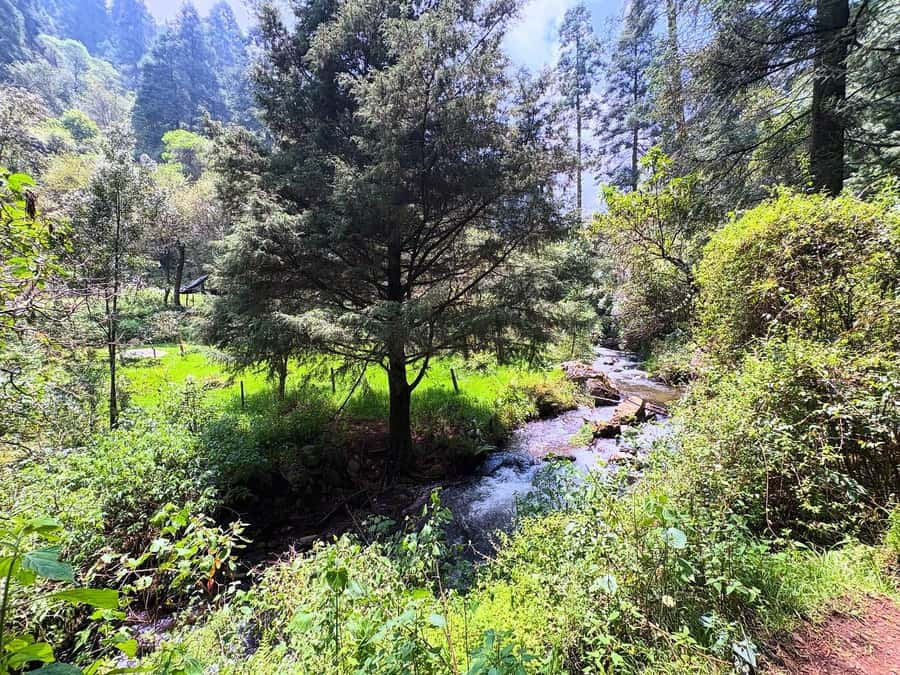
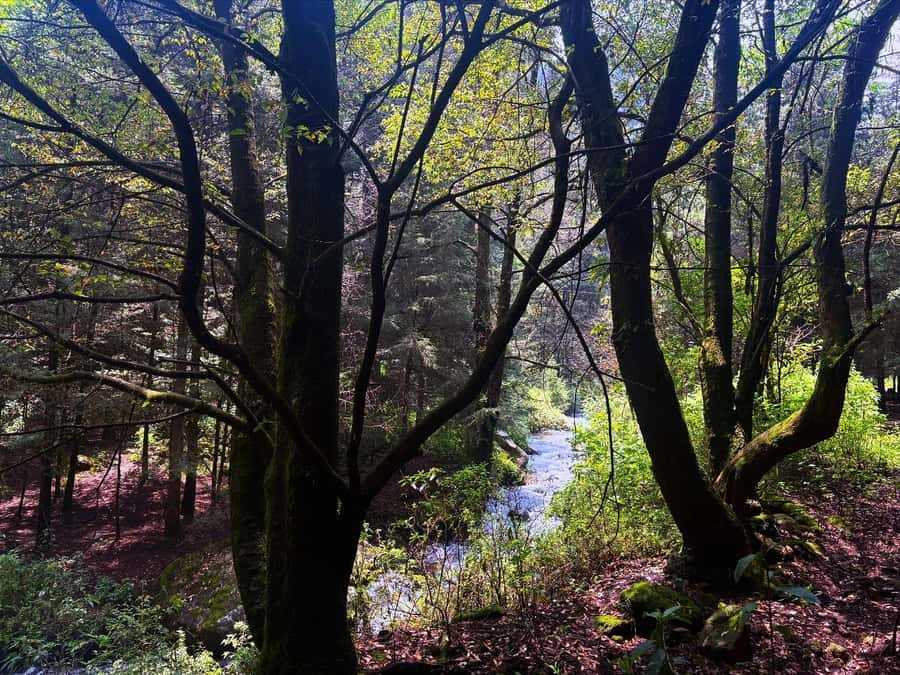
The Dinamos Forest offers a rare change of pace from Mexico City’s streets: a guided walk beside the city’s last living river, with mountain views, forest plants, and the remains of an early hydroelectric plant. The outing connects nature to the city’s story, especially its long struggle to manage water.
I like the combination of river and industrial ruins, which gives the hike more to talk about than scenery alone. I also like that transport, park entry, and snacks are included in the $105 price. One consideration: the walk is beginner-friendly, but it is not suitable for people with mobility impairments or respiratory issues.
Key points to know before you go
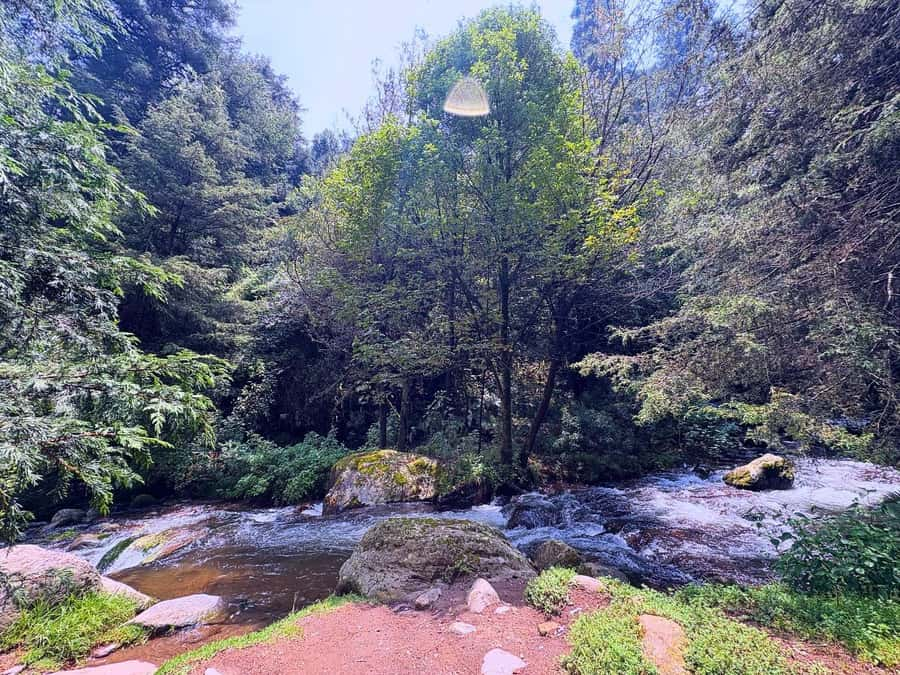
- Follow the last living river: The route traces a waterway whose history reaches back to the Mexica Empire and the old Lake Texcoco basin.
- See a water-powered dynamo: The forest holds ruins from the generators that helped supply electricity to Mexico City in the early 20th century.
- Hear how the city’s water network changed: Your guide discusses historic rivers that now run beneath streets and avenues.
- Look for the Oyamel tree: The walk introduces this endemic tree along with the forest’s range of plants and colors.
- Start from Condesa at 8:00 am: Round transportation, park entrance, and snacks are included, making this a simpler outing than arranging your own way to the forest.
From Condesa to the Dinamos Forest
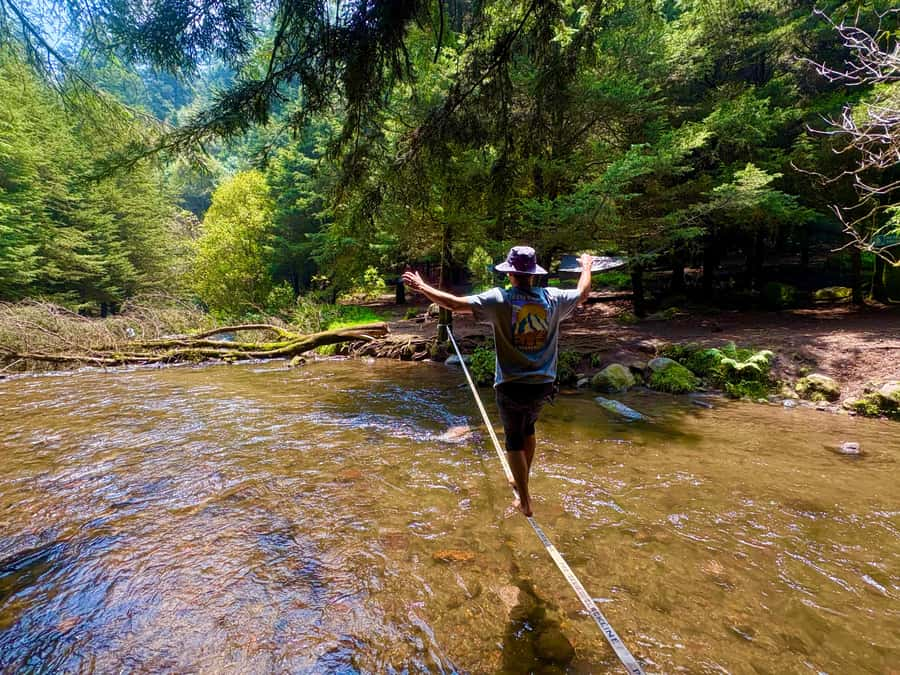
The outing begins at 8:00 am at Churrería El Moro in Condesa. Look for a guide wearing a black or white T-shirt. Round transportation is included, so you do not have to work out the journey to the park on your own. That is useful for a half-day trip beyond the central neighborhoods, especially if you want to spend your energy on the hike rather than on transport planning.
The full experience lasts five hours. That gives you time for the trip, guided walk, and explanations without taking up an entire day. Exact starting times should be checked when booking, and the schedule or experience may change depending on conditions.
The setting is close enough to Mexico City to make a forest outing practical, yet the focus is firmly on getting out among trees, rocks, and moving water. If your trip has been mostly museums, markets, and city streets, this is a useful counterpoint. It is also a chance to see how the city’s growth and water needs connect to the land beyond its busiest avenues.
More hikes and volcano climbs around Mexico City:
- Nevado De Toluca: Reach the Summit with Professionals
★ 4.8 · 250 reviews - Iztaccihuatl Volcano Hike with an Alpinist
★ 4.0 · 244 reviews - Mexico City: Guided Volcano Trek with Lunch
★ 4.7 · 242 reviews
Walking beside the river
The central draw is the river described as the last living river in Mexico City. The walk follows its course through the forest, where water is not just a view but the thread tying the outing together. You learn about the river’s earlier role in the territory of the Lord of Coyoacán and its connection to the immense Lake Texcoco.
That history helps explain why water is such a pressing subject in the capital. The city’s old river network has been altered over time, and some of its waterways now run in pipes beneath main streets and avenues. A guide can make that change easier to picture: the modern city above, and the traces of its historic water system below.
I like this part of the tour because it gives the walk a clear purpose. You are not only following a stream through the woods; you are seeing one piece of a much larger story about how people have used, redirected, and managed water. The conversation also offers context you would likely miss on a self-guided stroll.
The pace is intended to suit people new to hiking, but beginner-friendly does not mean the outing is effortless or suitable for everyone. You should be comfortable walking outdoors and able to manage the route on foot. The experience is specifically not suitable for people with mobility impairments or respiratory issues.
Old dynamos and the city’s early electricity
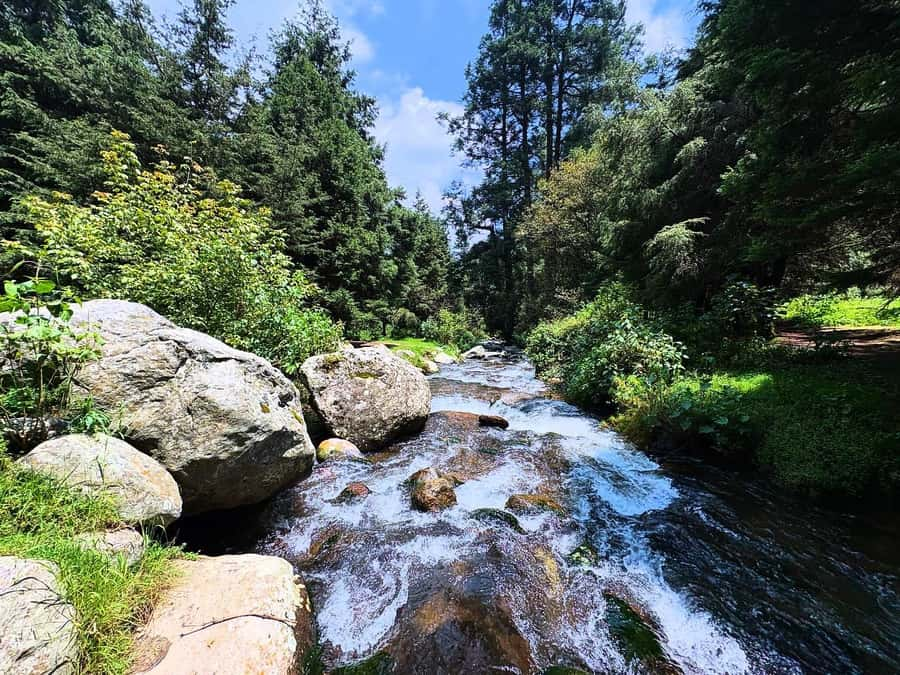
The forest also preserves ruins of an old dynamo, part of a system that used the force of water to generate electricity for Mexico City in the early 20th century. The remains add a practical, human-made chapter to a walk otherwise shaped by river and forest.
The appeal is not that the ruins form a grand monument. Their value is in what they explain: water here once powered machinery as well as ecosystems and communities. Seeing the remains in their setting helps link the river’s natural force to the city’s early infrastructure.
Your guide discusses the dynamos as part of the route, but the supplied details do not promise a particular building, exhibit, or length of stop. Treat this as an outdoor history lesson rather than a formal visit to a museum. If you enjoy places where nature and working history meet, this is likely to be one of the hike’s most memorable features.
Oyamel trees, plants, and the rocks that drink water
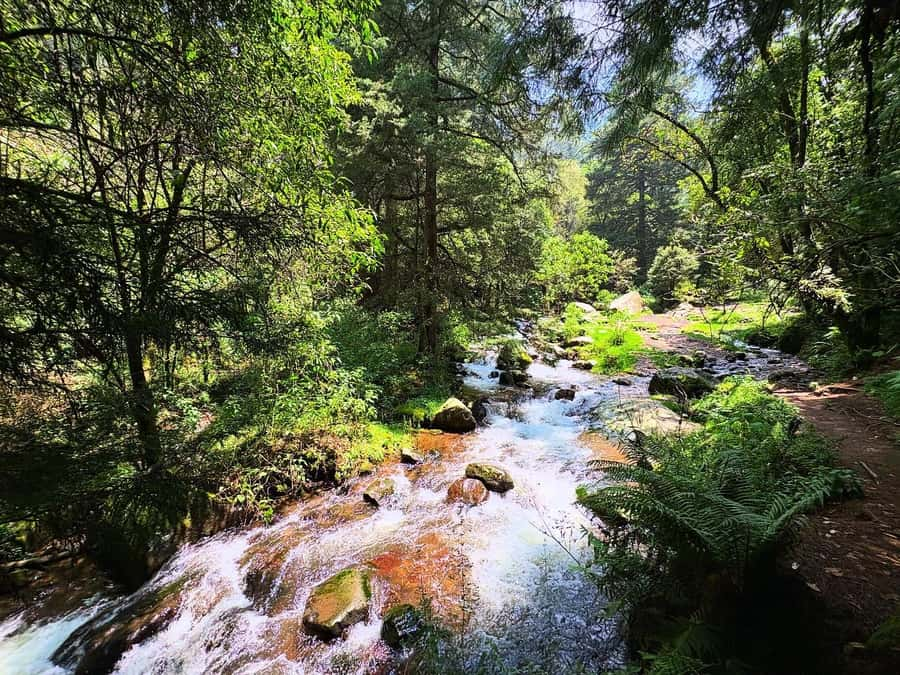
The forest walk introduces the Oyamel, an endemic tree, along with the area’s variety of plants and colors. You will have a guide to help point out what you are seeing, which matters when a forest is unfamiliar. A casual walk can leave you noticing only the broad view; a guided one can give you reasons to pause over individual plants and the character of the place.
The area is also known for a distinctive geological feature described as rocks that appear to drink water. That image hints at the close relationship between the ground and the river here. The experience does not promise a technical geology lesson, but the feature gives you another reason to look closely at the terrain rather than treating it as a simple backdrop.
Bring comfortable shoes, and hiking shoes are a sensible choice if you own them. Pack water and clothing that suits the weather. Conditions can vary, and the route is outdoors, so a little preparation will make the walk more pleasant. Snacks are included, but you should not assume they replace the water you need to carry.
More guided departures around Mexico City:
- Teotihuacan Early Access Guided Tour with optional Lunch
★ 4.5 · 6,138 reviews - Anthropology Museum Guided Tour
★ 4.5 · 1,035 reviews - Mexico City: Anthropology Museum Guided Visit
★ 4.4 · 708 reviews - Mexico City: Frida Kahlo Museum Entry Ticket w/Digital Guide
★ 4.5 · 683 reviews
What the guide adds
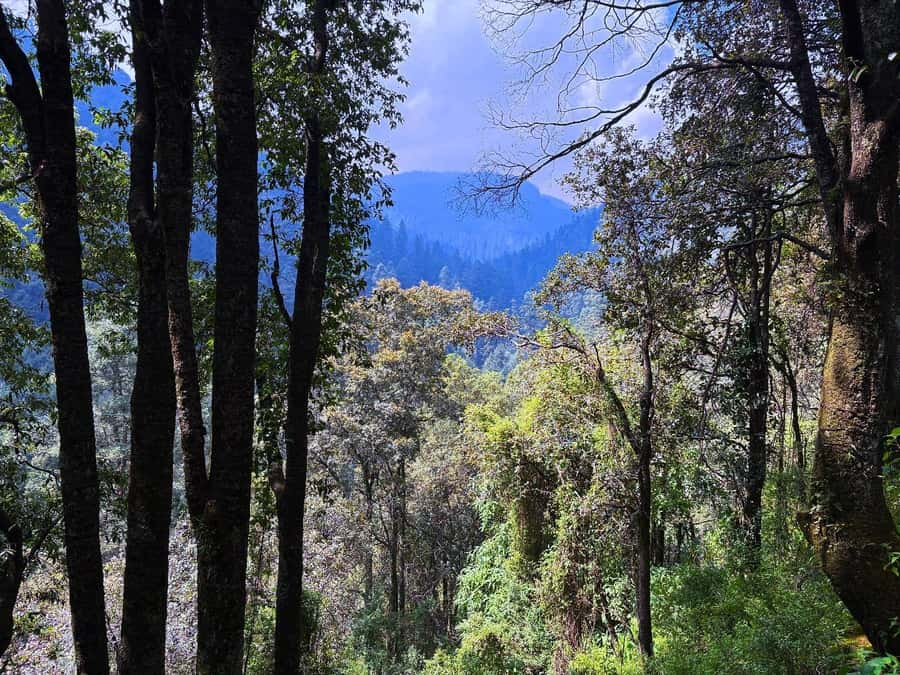
This is a guided hike, not just transport to a trail. The guide leads the walk and discusses the river’s past, the Mexica Empire’s water network, Mexico City’s present water situation, the dynamos, and the forest’s plant life. Spanish and English are offered, so you can choose the language that suits you when checking availability.
The strongest part of that format is the way the subjects reinforce one another. The river provides the setting, the ruins show one use of its force, and the discussion of buried waterways brings the story back to the city you have just left. That makes the outing more worthwhile for anyone curious about urban history and the environment, not only hikers seeking a scenic route.
One participant singled out a guide named Alan and described a friendly, engaging experience, while another praised an English-speaking guide and the chance to ask questions about Mexico and nature. Guide assignments can vary, so do not book expecting a particular person. The useful takeaway is to arrive ready to ask questions: the subject matter gives you plenty to discuss.
Is $105 good value?
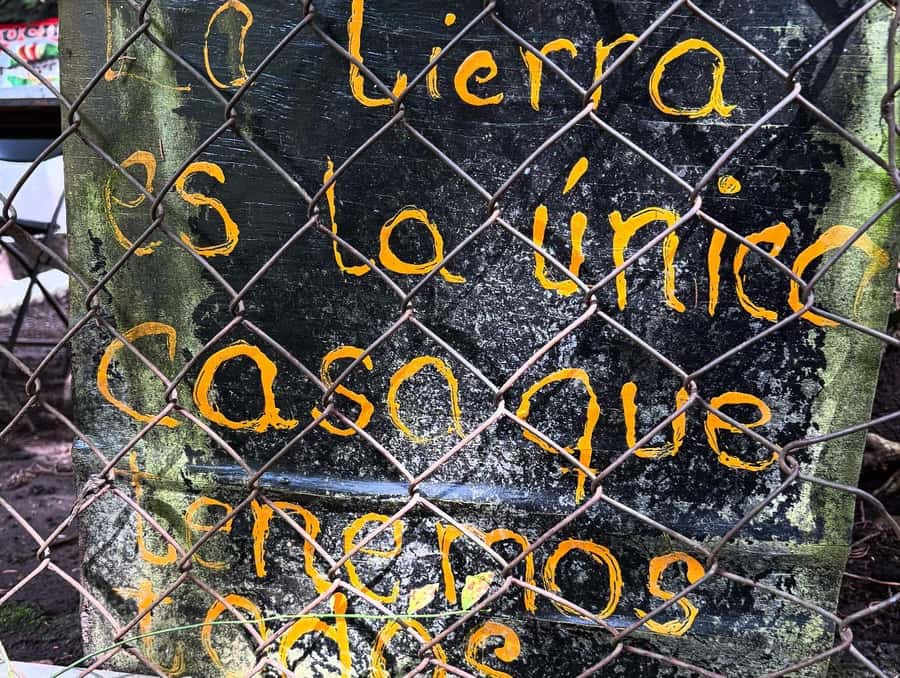
At $105 per person, this costs more than simply finding a nearby trail and walking it yourself. But the price includes round transportation, entrance to the National Park, a guided hike, discussion of the water network and the city’s water situation, and snacks. You are paying for a packaged half-day outing with interpretation and transport, not just access to a path.
I see the value most clearly if you want an easy way to reach the forest and prefer a guide to connect the scenery with local history. The combination of transport and context can save effort and add meaning to the walk. If you already know the area, have your own transport, and want a silent hike at your own pace, the bundled tour may be less compelling.
The flexible booking terms can help if your plans are still shifting: you can reserve now and pay later, and cancellation up to 24 hours beforehand is eligible for a full refund. Check availability for the departure time you need. The provider also notes that experiences can change or be unavailable due to circumstances beyond its control.
Who will enjoy this hike most?
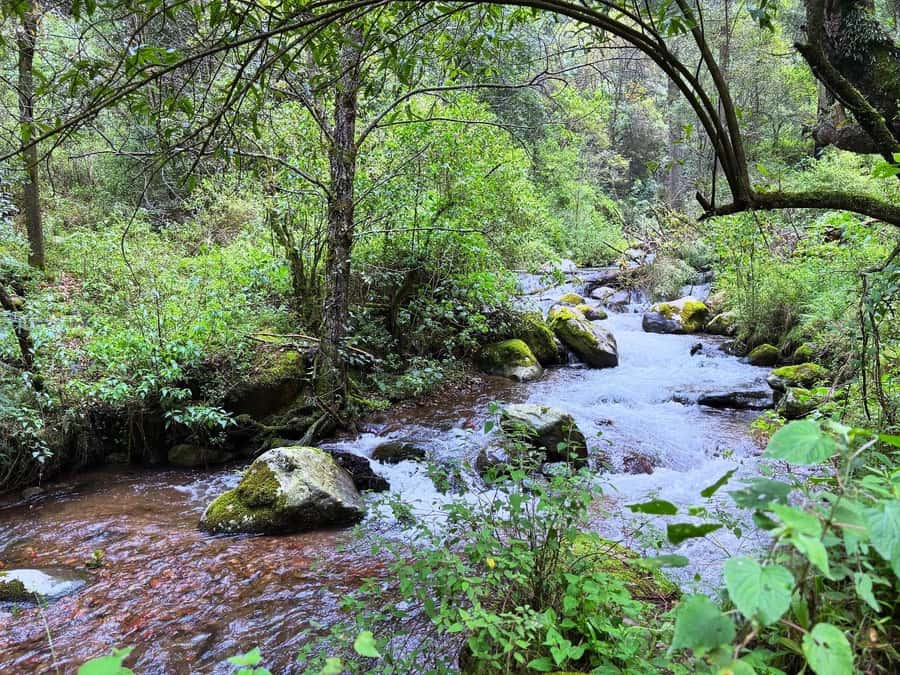
This outing suits nature lovers, curious first-time hikers, and anyone interested in how Mexico City’s water system evolved. It is especially appealing if you want a short escape from the city without giving up the chance to learn something about the place you are walking through.
It is less suited to people who need step-free access, have respiratory issues, or want a strenuous mountain trek. The hike is described as appropriate for beginners, not as a fitness challenge. Nor is it the right choice if your main goal is an in-depth archaeological visit or a long, independent day on the trail.
Alcohol and drugs are not allowed. Beyond that, the basic preparation is straightforward: comfortable or hiking shoes, water, and weather-appropriate clothing. Bring an open mind about the route’s pace and the balance between walking, scenery, and explanation.
Should you book it?
Book this hike if you want a guided, nature-focused half-day that also explains Mexico City’s relationship with water. The river, the dynamo ruins, and the forest’s plant life make a more engaging mix than a simple walk, while included transport and park entry help justify the price.
Skip it if you need an accessible route, have respiratory concerns, or would rather spend the morning exploring the city itself. For a beginner who is comfortable walking and curious about the land behind the capital, the Dinamos Forest offers a useful, memorable change of scene.
FAQ
How long is the Dinamos Forest hike?
The full activity lasts five hours.
How much does the tour cost?
The listed price is $105 per person.
What languages are available?
The live guide is available in Spanish and English.
Where and when is pickup?
Meet at Churrería El Moro in Condesa at 8:00 am. The guide will wear a black or white T-shirt.
What is included in the price?
The price includes a guided forest hike, National Park entrance, round transportation, snacks, and a discussion of Mexico City’s water situation and the history of the Mexica Empire’s river network.
What should I bring?
Bring comfortable shoes or hiking shoes, water, and clothing suited to the weather.
Is the hike suitable for beginners?
Yes. The hike is described as suitable for beginners and nature lovers.
Can I cancel for a refund?
Yes. You can cancel up to 24 hours in advance for a full refund.
New on the list in Mexico City
- Private & Tailor Made Tour to Teotihuacan Pyramids!★ 5.0 · 37 reviews
- Private Tour: Pyramids of Teotihuacan and Piramides of Atlantes de Tula★ 5.0 · 26 reviews
- Xochimilco Tour★ 5.0 · 26 reviews
- Private tour to Queretaro and San Miguel de Allende★ 4.0 · 10 reviews
- Private Street Food & Mural Art Tour in Mexico City★ 3.5 · 3 reviews
- Private tour Antropology Museum Frida Khalo museum and Leon Trotskyi museum★ 5.0 · 3 reviews
- Private Tour: Museum of Anthropology and Chapultepec Castle★ 5.0 · 3 reviews
- Teotihuacan Private Tour, Cave Breakfast and Transportation★ 5.0 · 51 reviews
Mexico City Hiking Tours, compared.
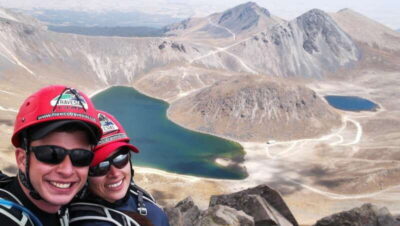
Nevado De Toluca: Reach the Summit with Professionals
Read our review →
Mountaineering to the Nevado de Toluca (altitude 4680m)
Read our review →
Hiking Excursion to the Iztaccíhuatl Volcano from Puebla
Read our review →

3 Hour Private Hike: Mountain Nevado Toluca from Mexico City
Read our review →Browse the lists this tour appears in