
Reviewed · MEXICO CITY LGBTQ TOURS
Mexico City: Gay Tales
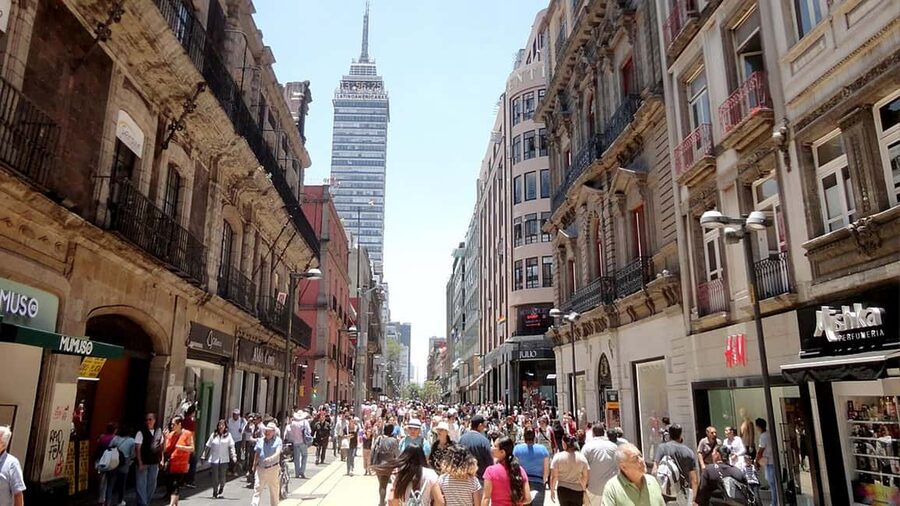
Mexico City’s LGBTQ+ past is written into the Historic Center’s streets, buildings, and overlooked corners. On this 3.5-hour walk, you follow that story along Madero Street, learning about gay life in the 19th and 20th centuries, from the ball of Those 41 to cinemas and cruising spots.
I like two things about this tour: it connects stories to the actual places where they unfolded, and it looks beyond famous landmarks to details you could easily miss on your own. The digital map and collection of videos and sources also give you a way to keep exploring after the walk.
The main consideration is the pace and distance. The route involves significant walking, is not suitable for people with mobility impairments, and is limited to adults 18 and older.
Key points to know before you go
- Madero Street is the main stage: The tour follows one of the Historic Center’s most important thoroughfares and connects its LGBTQ+ stories to specific buildings and sites.
- The stories span two centuries: Learn about activities such as cruising in the 19th and 20th centuries, the 1901 ball of Those 41, and the community’s changing meeting places.
- Some sites are easy to miss: The route includes a former convent entered through a bakery, a former cinema, and places tied to early bath houses and gay nightlife.
- Your guide supplies the context: Carlos led one recent tour and was noted for explaining the history clearly. Guide assignments may vary.
- You get more than the walk: The price includes an LGBTQ+-focused digital map of the Historic Center and videos, sources, and other resources for later.
- Plan for three and a half hours on foot: Wear comfortable shoes and bring sun protection. Food and drinks are not included.
Following LGBTQ+ history along Madero Street
This is not a general sightseeing walk with a few LGBTQ+ facts added in. Its focus is the gay community’s presence in the Historic Center, and the tour uses streets, buildings, and former gathering places to make that past easier to picture. You hear about how gay men used public spaces, how the community built connections, and how those patterns changed over time.
That approach matters in a city where LGBTQ+ history is not always obvious from a building’s facade. A former cinema or a doorway can seem like an ordinary part of the streetscape until a guide explains what happened there and why it mattered. The value is in seeing familiar central streets through a different lens, with local stories attached to real locations.
The route concentrates on Madero Street and the surrounding Historic Center, including sites within the area of the 16th-century city limits. It is an unusually specific subject for a walking tour, so it makes a useful counterpoint to a broader introduction to the city’s monuments and museums. If you have already explored the Historic Center, the stories can add another layer to places you may recognize.
More LGBTQ tours around Mexico City:
- Gay Side of History through Plazas & Temples
★ 4.5 · 53 reviews - Mexico City: Queer Mexican History
★ 4.7 · 24 reviews - Discover Mexico City’s (CDMX) Gay (LGBTQ) Hotspots Guided Tour
★ 5.0 · 3 reviews
From the former military academy to Casa de los Azulejos
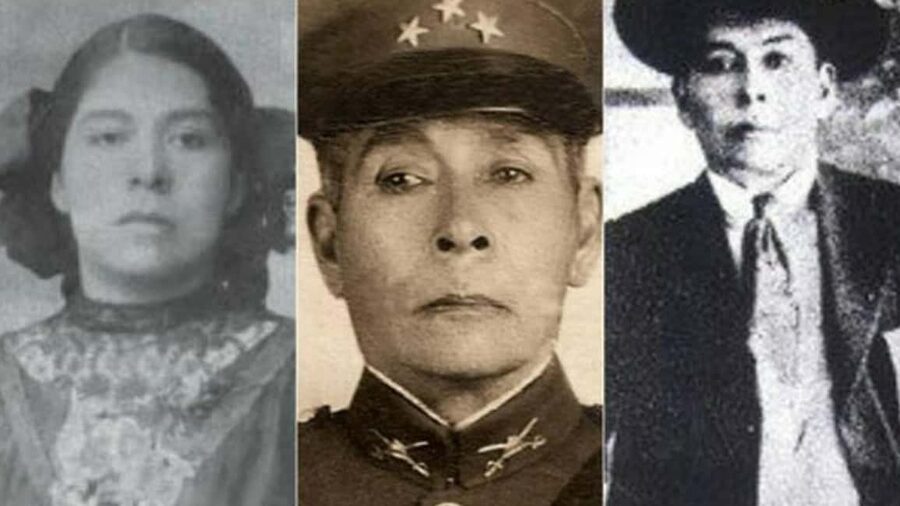
The walk starts outside the main entrance to the MIDE Museum, curbside and one block from Allende Metro station. From there, the first listed stop is the Museo del Ejército y Fuerza Aérea Mexicanos, in the former Bethlemitas chapel. The 25-minute visit brings a surprising personal story into a military setting: the guide discusses the first trans man to be recognized as a colonel by the army, without the army realizing he was trans.
It is a striking opening because it shows how identity and public recognition could work in ways that do not fit neat modern labels. The subject is not only a story about an individual, but also a prompt to consider how records and institutions have understood gender. The stop is described as a guided visit and photo stop, so expect interpretation rather than a long, independent museum visit.
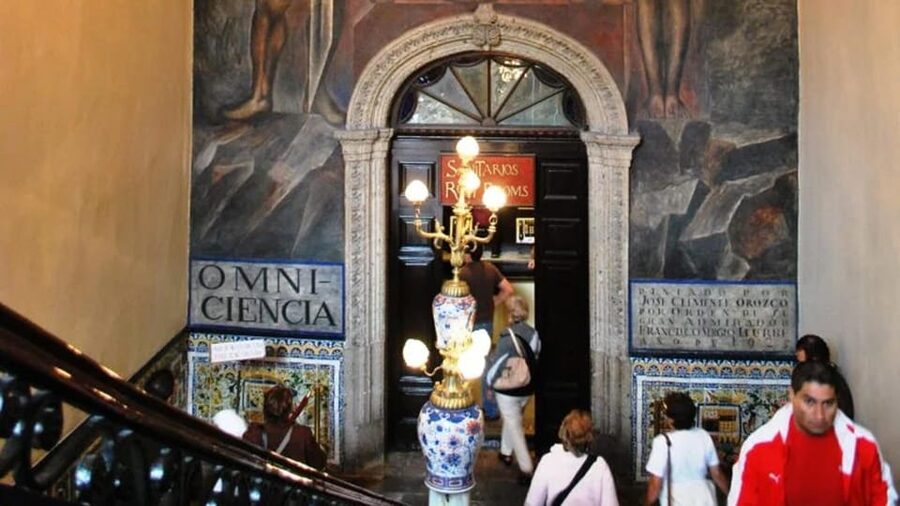
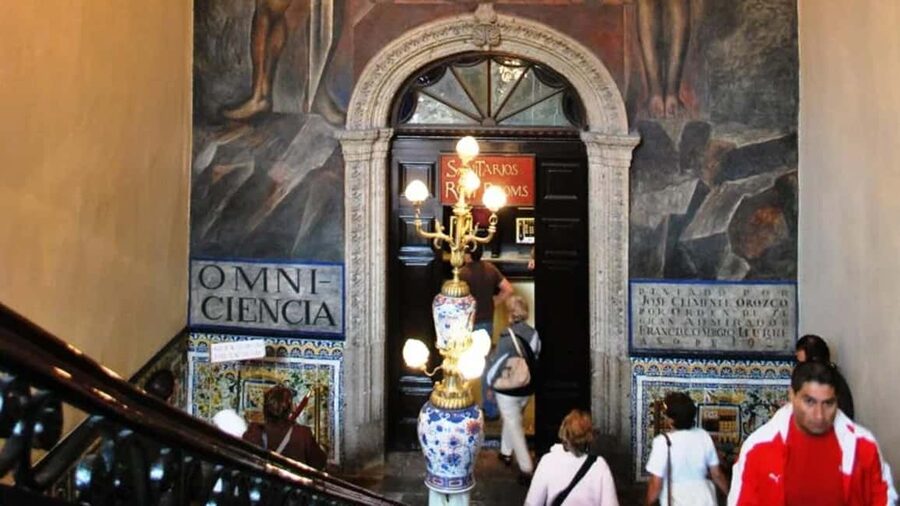
Casa de los Azulejos is next, with about 20 minutes set aside. The tour’s wider focus is on the queer meaning and use of historic places, not simply their architectural appearance. This is a chance to look at a famous building while hearing how the guide connects the Historic Center’s built environment to gay life and its social codes.
The route then pauses at Pastelería Ideal for about 25 minutes. One of the tour’s more unusual threads involves entering a former convent through a bakery, a detail that turns an everyday shopfront into a clue to a less visible past. Inside, the story concerns a seminarist favored by the chief inquisitor who lived there. That juxtaposition of bakery, convent, and religious history gives the stop its particular character.
Shoes, public space, and the story of Those 41
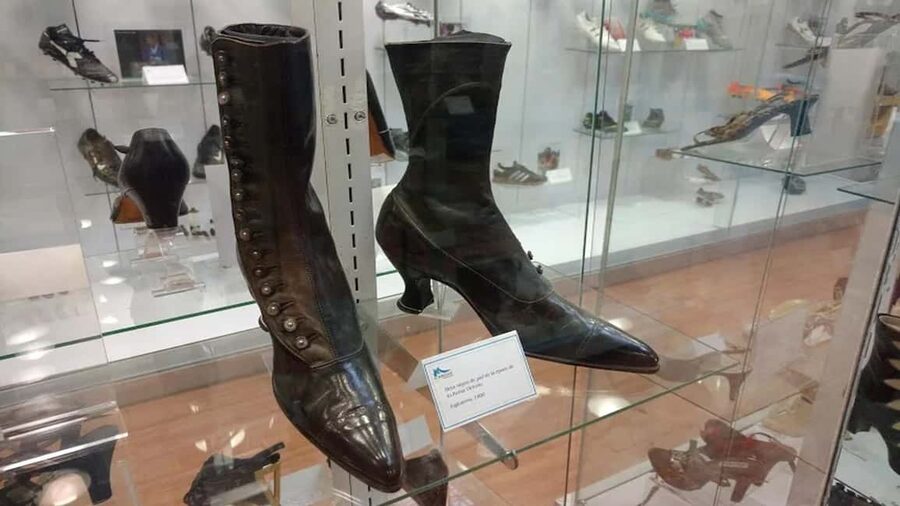
At the Footwear Museum, also known as The Borcegui, you spend about 20 minutes. Here the story reaches the famous cross-dressing ball of Those 41 in 1901. The tour includes replicas of the high-heel shoes worn at the ball, a concrete object that helps bring an event often reduced to a short historical reference into closer view.
The ball is part of a larger account of LGBTQ+ life in Mexico City, not a stand-alone curiosity. Its place in the tour helps you understand how public attention, private gathering, and ideas about gender intersected. The replicas also offer a visual point of connection for a history that can otherwise feel distant.
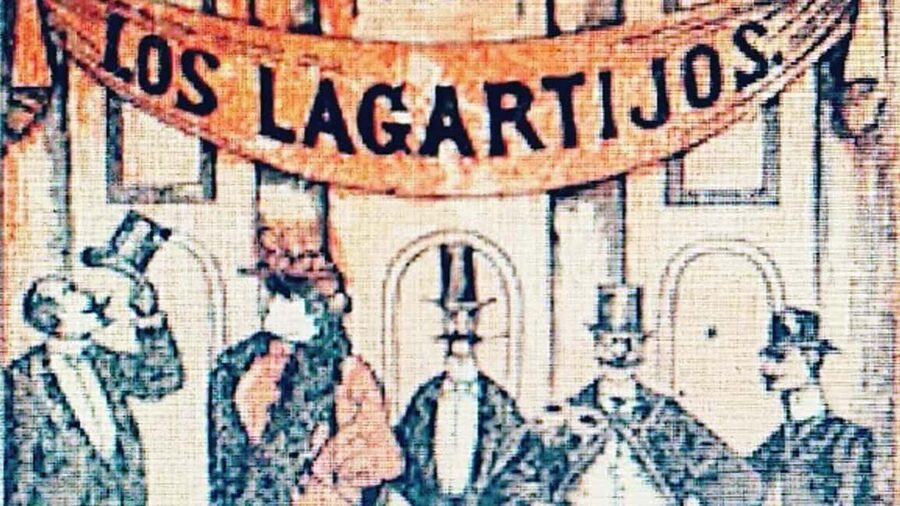
The longest named street segment is Avenida Francisco I. Madero, with about 45 minutes devoted to it. Here you hear about gay men’s interpretations of monuments and public places around the turn of the 20th century, as well as the so-called cruising lizards of the 19th and 20th centuries. The tour also points out the former office responsible for censoring editions considered immoral, connecting the regulation of print and public morality to the need for an experience like this one.
This stretch is the heart of the walk. Rather than treating history as something confined to a museum, the guide tells you how people used the street and its surroundings. You are asked to notice not just what a site was designed for, but how the community made meaning from it. That distinction can make a familiar avenue feel newly legible.
The tour also visits the site of the Old National Theatre’s backstage door, where gay men met in a bar. The story links this gathering place to the growth of one of the country’s largest LGBTQ+ communities. You should expect the guide to connect individual sites to the wider movement of people and meeting places, rather than simply list dates and names.
Former cinemas, bath houses, and discreet corners
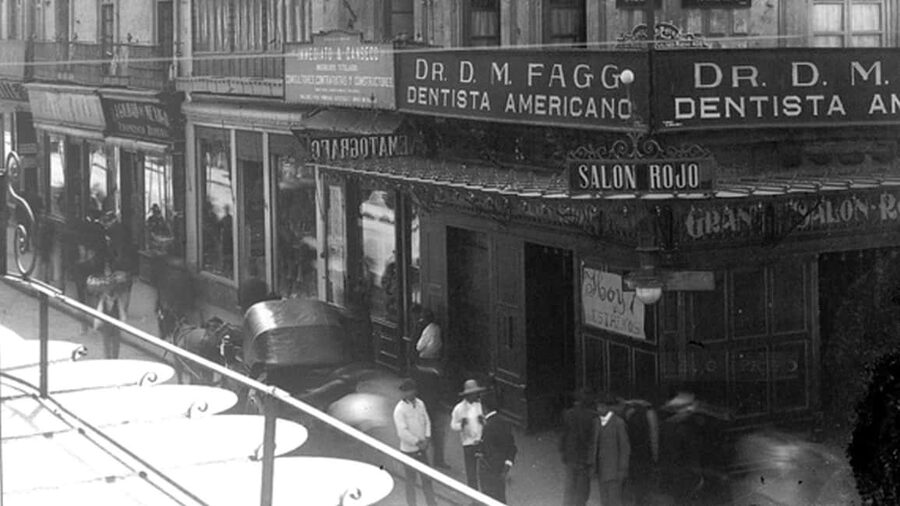
La Casa del Pavo gets about 45 minutes, another substantial stop in a route that gives time for stories rather than just quick photo pauses. The material here includes the first pornographic cinema, one of the last remaining gay cinemas, the first bath house, and Dr. Fagg’s office. These are not presented as a separate entertainment district, but as pieces of a larger history of where people could meet, socialize, and find one another.
The subject matter is direct and adult, which is one reason the tour is restricted to people 18 and older. If you are interested in social history, these sites help explain how community life could take shape through businesses and semi-private spaces. If you prefer a conventional monument tour, this material may feel unusually intimate or frank.
The Palace of the Countship is another notable story along the route. Its restrooms became known around the country as a cruising place, helped by a store chain that made them widely familiar. It is an example of how a space with an ordinary public purpose could carry another meaning for the community. The tour’s interest lies in telling you how such places were used, not merely pointing out their architecture.
There is also a story about the Pools’ Circuit Trolley and the bath houses, followed by an explanation of why and where the community moved in the 1950s. This change of focus is useful: the tour does not treat LGBTQ+ history as fixed to one street or era. You hear about the Historic Center’s role, then learn that community patterns shifted as the city changed.
A few more Mexico City tours to consider
- Teotihuacan, Guadalupe Shrine & Tlatelolco Day Tour with Lunch
★ 5.0 · 11,603 reviews - Xochimilco, Coyoacan and Frida Kahlo with Optional Lunch
★ 4.5 · 7,320 reviews - Balloon flight + Breakfast in cave + Pyramids + Pick up CDMX.
★ 5.0 · 6,335 reviews - Teotihuacan pyramids morning or afternoon without tourist traps
★ 5.0 · 6,186 reviews
The Banamex Culture Palace and Estanquillo Museum
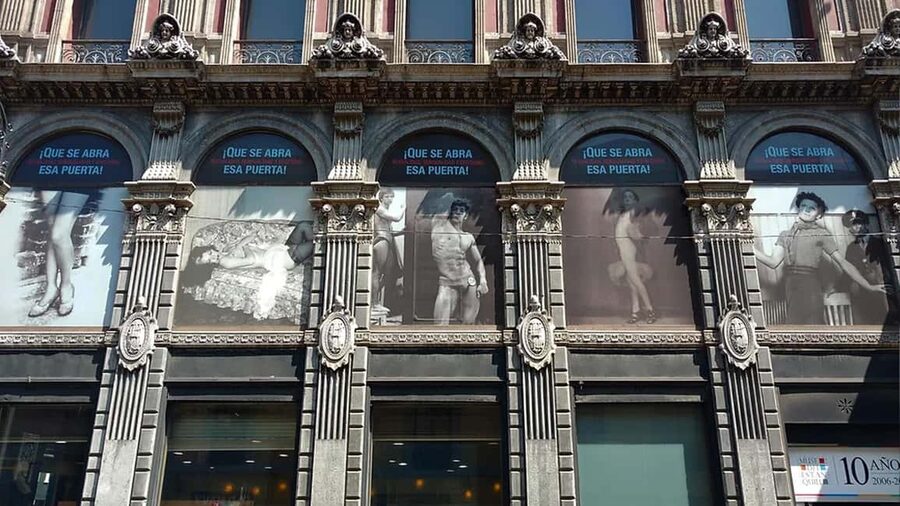
The Banamex Culture Palace is the final listed stop, with about 30 minutes for a guided visit and photo stop. The route’s stories include museums and exhibits that celebrate LGBTQ+ history, alongside less formal sites such as cinemas, bars, and bath houses. The point is to connect public commemoration with the less visible places where people built community.
The walk finishes at the Estanquillo Museum. Because the end point differs from the meeting place, you finish elsewhere in the Historic Center rather than retracing your steps to the start. That can be handy if you want to continue exploring nearby, though the tour does not include food or drinks.
Across the route, the stops vary in how much time they receive. The stated visit lengths range from 20 to 45 minutes, with the longer sections devoted to key street areas and sites with several connected stories. The overall activity lasts 3.5 hours, so plan for a substantial walk with regular pauses for explanation and photos.
What the $79 price includes
At $79 per person, this is more specialized than a basic city orientation walk. You are paying for an English-speaking guide, a sustained focus on LGBTQ+ history, and stories tied to particular places rather than a broad overview of central Mexico City. The digital map and follow-up collection of videos, sources, and resources add value if you want to continue researching after the tour.
The strongest reason to book is the guide’s role in connecting details that can be hard to find on your own. One tour led by Carlos was praised for clear explanations and accurate information, and another participant described the leader as a strong storyteller. Carlos may not be the guide on every departure, but those comments point to what makes the format work: accessible storytelling grounded in specific buildings and streets.
The price is easier to justify if LGBTQ+ history is a central interest for you, or if you have already seen the Historic Center’s headline sights and want a more focused perspective. If you are mainly looking for a general introduction to Mexico City, this tour may be too narrow to serve as your only walking tour. It also does not include refreshments, so bring water and plan your own meal before or after.
Walking conditions and practical details
Comfortable walking shoes are essential. The tour involves significant walking, and the route moves through the Historic Center rather than staying in one museum. Bring sunglasses, a sun hat, and sunscreen, and be ready for changing weather. Photography is allowed, but the tour asks you to respect the sites and their history.
The tour is in English and lasts 3.5 hours. It is not suitable for people with mobility impairments or children under 18. Food and drinks are not included. You can cancel up to 24 hours in advance for a full refund, and the reserve-now, pay-later option lets you hold a place without paying immediately.
Who should book this tour?
Book it if you want to understand Mexico City through LGBTQ+ stories and are comfortable spending several hours on foot. It is particularly well suited to visitors curious about how gay men used public streets, businesses, and discreet meeting places in the 19th and 20th centuries. The stops involving Those 41, the former cinema, the bath houses, and the changing location of the community give the route a clear historical thread.
Consider another outing if you need a low-walking activity, are traveling with children, or want a broad city overview. For everyone else, this is a focused way to read the Historic Center beyond its grand facades. The best reason to go is simple: it gives you specific stories, sites, and a map to carry forward, rather than leaving LGBTQ+ history as an abstract chapter in a guidebook.
FAQ
How long is the tour?
The walking tour lasts 3.5 hours.
What language is the tour in?
The live guide speaks English.
Where does the tour start?
Meet curbside outside the main entrance to the MIDE Museum. It is one block from Allende Metro station in the Historic Center.
Where does the tour finish?
The tour finishes at the Estanquillo Museum.
What is included in the price?
The price includes the walking tour, a guide, a digital LGBTQ+-focused map of the Historic Center, and a collection of videos, sources, and resources to use afterward.
Are food and drinks included?
No. Food and drinks are not included.
Is the tour suitable for children or people with mobility impairments?
No. The tour is not suitable for children under 18 or people with mobility impairments, and it involves significant walking.
New on the list in Mexico City
- Private & Tailor Made Tour to Teotihuacan Pyramids!★ 5.0 · 37 reviews
- Private Tour: Pyramids of Teotihuacan and Piramides of Atlantes de Tula★ 5.0 · 26 reviews
- Xochimilco Tour★ 5.0 · 26 reviews
- Private tour to Queretaro and San Miguel de Allende★ 4.0 · 10 reviews
- Private Street Food & Mural Art Tour in Mexico City★ 3.5 · 3 reviews
- Private tour Antropology Museum Frida Khalo museum and Leon Trotskyi museum★ 5.0 · 3 reviews
- Private Tour: Museum of Anthropology and Chapultepec Castle★ 5.0 · 3 reviews
- Teotihuacan Private Tour, Cave Breakfast and Transportation★ 5.0 · 51 reviews
Mexico City LGBTQ Tours, compared.
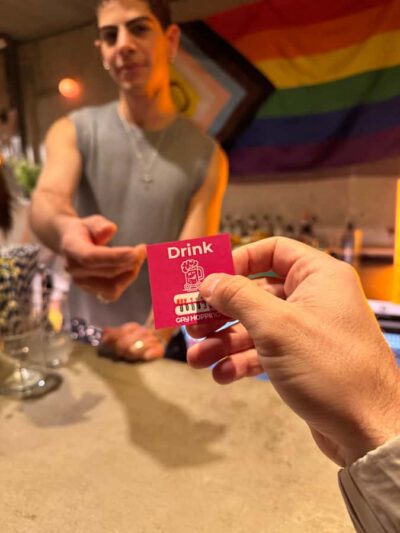

Discover Mexico City’s (CDMX) Gay (LGBTQ) Hotspots Guided Tour
Read our review →Browse the lists this tour appears in