
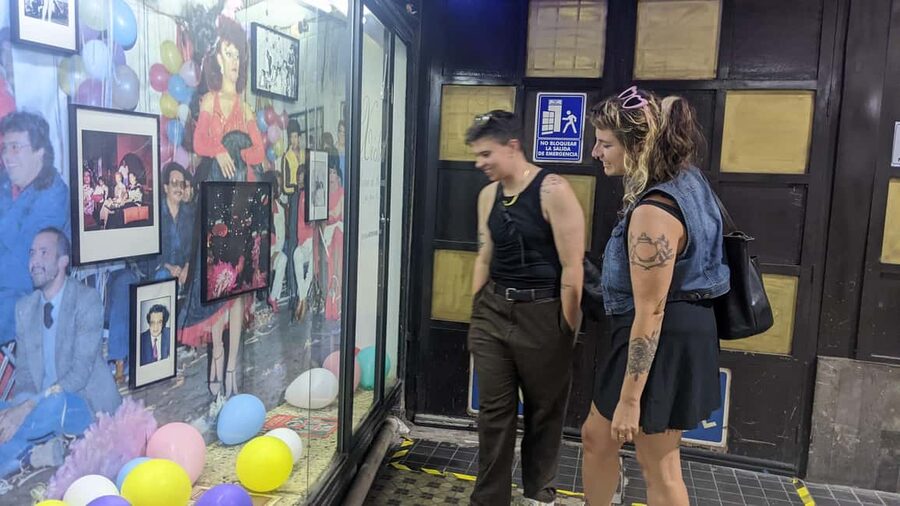
Reviewed · MEXICO CITY LGBTQ TOURS
Mexico City: Queer Mexican History
Mexico City’s central streets tell more than the familiar story of presidents, churches, and grand civic buildings. This 150-minute queer history walk uses places such as Alameda Central, Francisco I. Madero Avenue, and Zócalo to bring LGBTQ+ people and contemporary activists into the story of the city.
I like two things in particular: the tour links historic figures with living artists and activists, and the group is capped at 10 people, giving you a better chance to hear and ask questions. Guides named for the walk include Mannu and Ada Narcissa, whose approach has been described as warm, human, and able to balance serious history with humor.
The main caution is timing. The stated duration is two and a half hours, but one reported outing lasted only 30 minutes. If the full-length walk is important to you, check the expected duration with the provider before setting aside the rest of your day.
Key points to know before you book
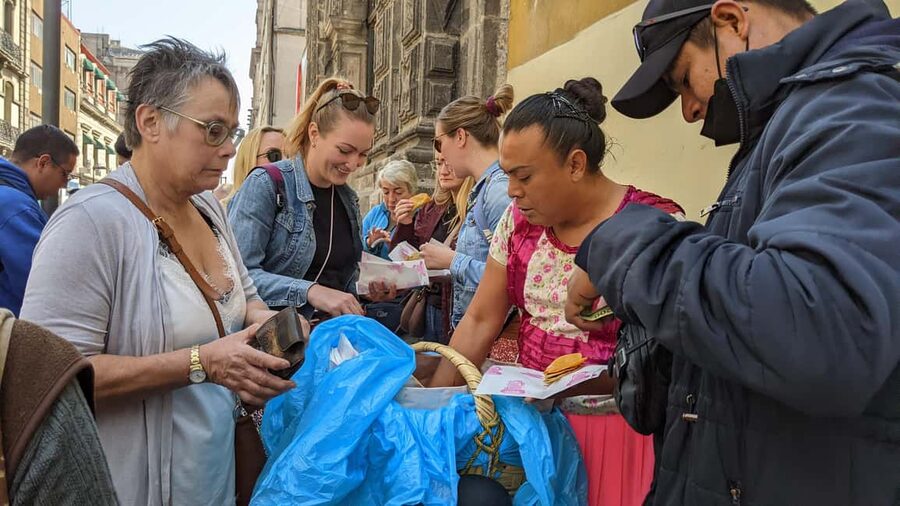
- The route connects queer history to familiar landmarks: Expect Alameda Central, the Palace of Fine Arts area, Madero Avenue, Zócalo, and the area around Templo Mayor.
- The subject reaches into the present: The walk covers important queer people in Mexican history as well as contemporary artists and activists.
- The group is small: A limit of 10 participants makes this a more personal alternative to a large, scripted city walk.
- Mannu and Ada Narcissa are among the named guides: The experience is valued for a warm, human approach as much as for its historical content.
- Plan for a proper walk: Wear comfortable shoes, bring water, and use sunscreen. The route takes place on foot.
- Budget $30 per person: Food and souvenirs are not included, and the tour is not suitable for children under 11.
Queer history on the streets of the Historic Center
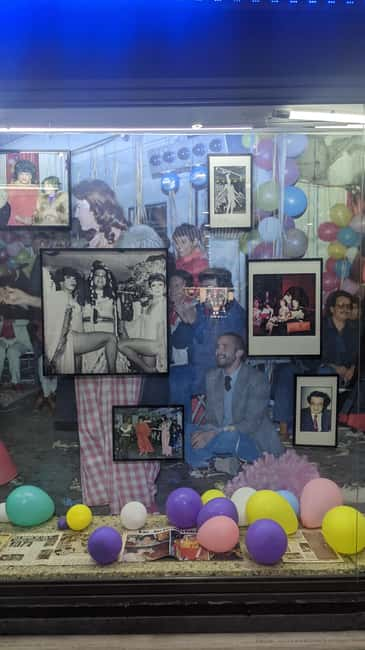
The value of this tour is in its point of view. Mexico City’s Historic Center is full of landmarks that can make the past feel official and monumental. A queer history walk asks you to consider who appears in that public story, whose lives have been overlooked, and how LGBTQ+ people have helped shape Mexican culture and civic life.
The tour’s stated focus is on remembering important queer people in Mexican history and discussing contemporary queer artists and activists. That combination matters. You are not being offered a history lesson frozen in the past; the conversation also turns toward people working and creating now.
The precise figures, artists, and activists discussed can depend on the guide and the conversation, so I would not book expecting a fixed list of names or a specific lecture script. Instead, think of this as a guided introduction to a subject that can be hard to spot when you walk the center on your own.
The route also gives the discussion a useful setting. Alameda Central, Madero Avenue, Zócalo, and Templo Mayor sit close to one another, but each carries a different civic or cultural association. Moving among them creates a sense of how queer stories belong within the city’s shared history, not in a separate corner of it.
More LGBTQ tours around Mexico City:
- Gay Side of History through Plazas & Temples
★ 4.5 · 53 reviews - Mexico City: Gay Tales
★ 5.0 · 4 reviews - Discover Mexico City’s (CDMX) Gay (LGBTQ) Hotspots Guided Tour
★ 5.0 · 3 reviews
Starting at Alameda Central
The meeting point is described as Alameda Central Park, near the corner of Hidalgo Avenue and Dr. Mora Street. Your guide is expected to hold a colorful umbrella, a simple marker in a busy city-center setting. The exact meeting point may vary with the option you book, so check the details attached to your reservation rather than relying only on the general location.
The walk begins around Alameda Central, with an introduction before the group heads toward the first stop. The park is scheduled for about 35 minutes of guided walking. That is a substantial opening, giving the guide room to set out the themes and start connecting the area to queer Mexican history.
There is a short walk between the meeting area and the first stop, listed as about five minutes. That may sound trivial, but it is useful to know if you are planning the day around other visits. Arrive ready to walk from the start, rather than expecting to settle into a seated talk.
Hemiciclo a Juárez and the Palace of Fine Arts
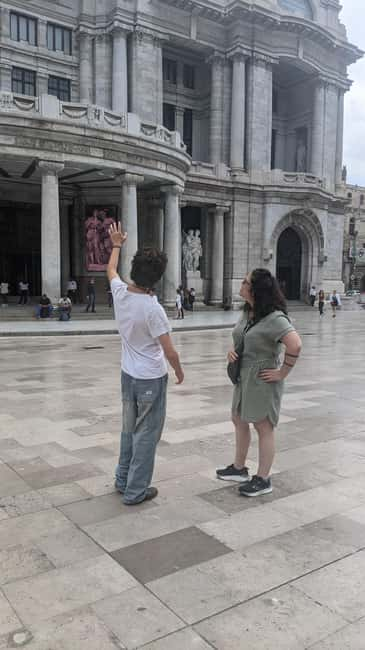
At Hemiciclo a Juárez, the tour begins its historical discussion in earnest. The stop is a natural place to start thinking about public memory: a monument can tell you whom a city chooses to honor, while the guide’s subject gives you a way to look for people and experiences missing from the usual account.
The nearby Palace of Fine Arts is another listed stop, with about 10 minutes set aside for sightseeing. The tour’s focus is not simply architecture or a standard rundown of the building. Rather, the broader walk asks you to connect central landmarks with queer people, artists, and social histories.
The limited time at the Palace of Fine Arts means you should not expect a full interior visit or an extended art tour. No admission to a museum or building is included in the activity description. Treat this as a stop within a walking conversation, not a ticketed visit.
Madero Avenue: history on the way to Zócalo
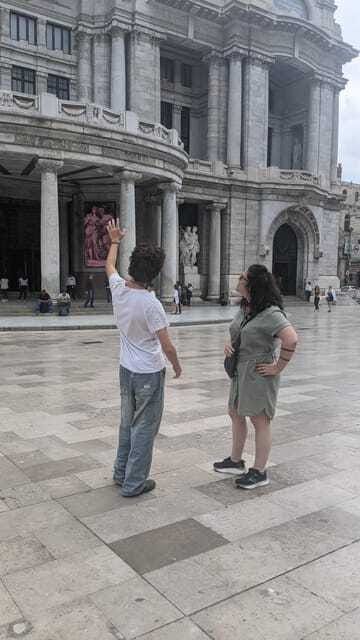
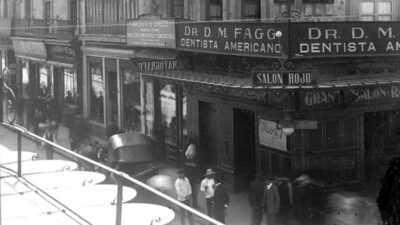
From the Alameda area, the group continues along Francisco I. Madero Avenue toward Zócalo. The route is valuable partly because it does not isolate queer history from the city’s everyday center. You move through a major pedestrian thoroughfare while the guide explains how queer lives and culture fit into Mexico’s past and present.
This section also gives the tour a change of pace. The early stops establish the theme; the walk along Madero gives you time to listen, look around, and ask questions while heading toward the city’s central square. If you enjoy tours that make a city’s history feel connected to the streets under your feet, this is likely to be one of the most satisfying parts.
The exact amount of time devoted to Madero is not specified. That means the balance between walking and discussion may vary with the group and guide. Bring questions if you have them, particularly about the contemporary artists and activists covered on the tour.
More history tours around Mexico City:
- Historic Downtown Walking Tour
★ 5.0 · 1,289 reviews - Historic Center Food Tour in Mexico City
★ 5.0 · 1,263 reviews - Mexico City: Historic Downtown Walking Tour
★ 4.8 · 1,039 reviews - Walking Tour of the Historic Center of Mexico City
★ 5.0 · 870 reviews
Zócalo and the approach to Templo Mayor
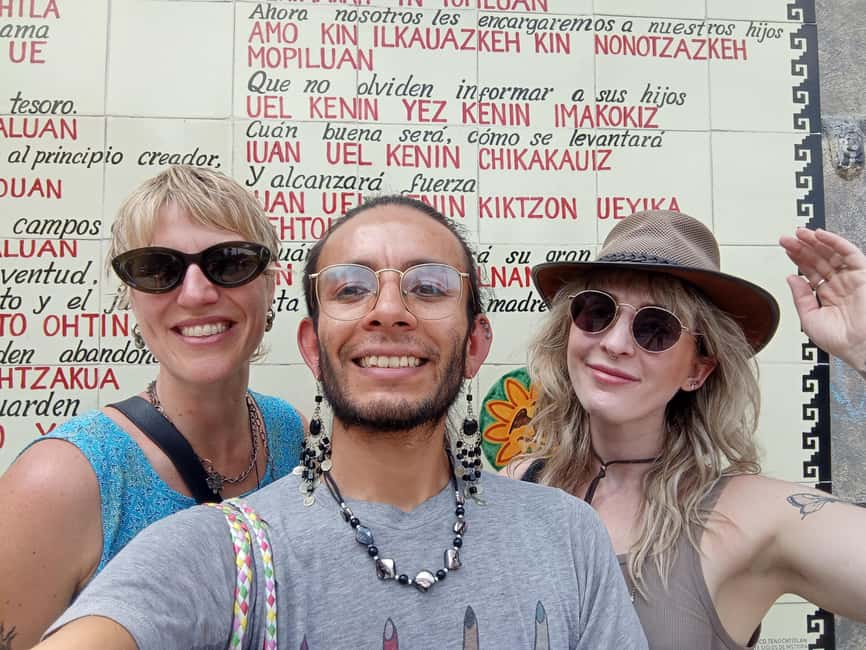
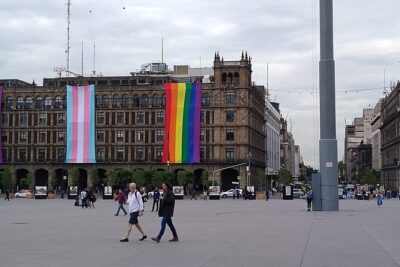
The walk continues to Zócalo, also known as Plaza de la Constitución. The square is a major stop on the route, but the point here is not only to tick off a famous landmark. The guide’s queer-history lens helps place LGBTQ+ lives within the broader account of Mexico City and its public spaces.
From there, the route finishes in the area behind the Metropolitan Cathedral, near Templo Mayor. The itinerary also names Templo Mayor Museum as a sightseeing stop, though it does not specify an interior visit or museum admission. You should plan on seeing the area as part of the walk, not assume the tour includes time inside the museum.
The stated finish is La Casa de las Sirenas. That gives you a clear endpoint in the Historic Center, but no post-tour meal, transport, or admission is included. Food and souvenirs are your own expense, so you can decide whether to continue exploring or take a break afterward.
What the guide adds
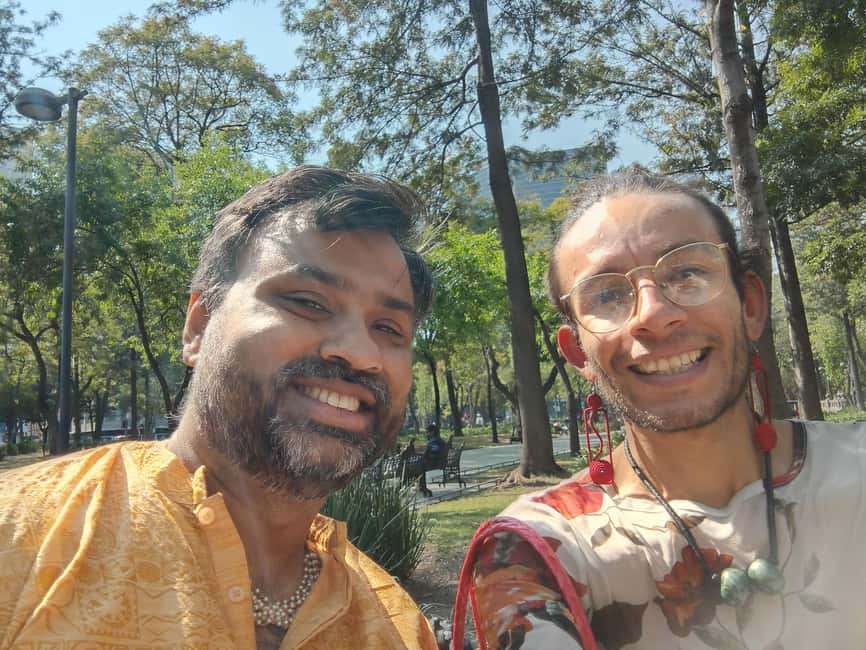
This is a guide-led tour, and the subject calls for more than a list of dates. The guide has to connect individual lives to landmarks and broader Mexican history, while also making room for current queer culture. The strongest descriptions of the experience emphasize a warm, thoughtful manner and a mix of serious and funny moments.
Mannu is associated with the experience, and Ada Narcissa is another named guide. Both names are useful to recognize when booking, though the specific guide for your departure may vary. The tour is offered in English and French, so check that the language you want is available at your chosen time.
A small group can make a real difference here. With no more than 10 participants, it is easier to hear the guide and ask a question without interrupting a crowd. It also keeps the walk from feeling like a procession through the center. The tradeoff is that the experience depends strongly on the guide’s delivery and on the group’s interest in discussion.
Is $30 a fair price?
At $30 per person, this is a reasonable price for a 150-minute guided walk, especially if you want a subject-focused introduction rather than a general orientation tour. You are paying for the guide’s interpretation and the connections between places, not for meals, souvenirs, museum entry, or transport.
The value is strongest if queer Mexican history is a central interest, or if you have already seen the standard landmarks and want a different way to understand them. If you mainly want a quick overview of the Historic Center’s architecture, a general city tour may fit better. This walk devotes its attention to queer history and contemporary culture, so that is where its worth lies.
Duration affects the calculation. The advertised experience lasts 150 minutes, but one reported outing lasted just 30 minutes. That is a major gap, not a minor variation. Confirm the expected length with the provider if you need the full walk to justify the price or fit your schedule.
Practical planning for the walk
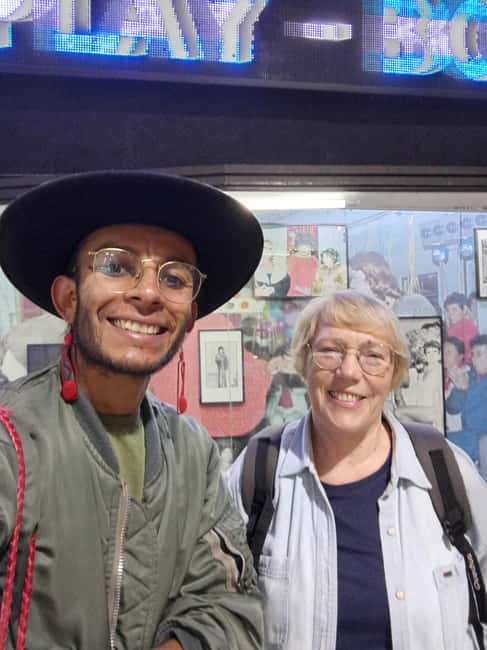
Wear comfortable shoes and bring water. The route is on foot, and the tour itself strongly recommends both. Sunscreen is also sensible for an outdoor walk, and an umbrella can be useful; a colorful umbrella is also how you are told to identify the guide at the meeting point.
The tour provider recommends having a small lunch beforehand. Food is not included, and there is no meal stop listed, so do not count on eating during the walk. Likewise, any souvenirs you choose to buy are extra.
This activity is not suitable for children under 11. It is best for adults and older children who can comfortably walk and engage with a history-focused discussion. The group limit is 10, and the tour runs in English or French.
Booking is flexible: you can reserve without paying immediately, and cancellation up to 24 hours in advance is eligible for a full refund. Those terms are helpful if your Mexico City plans are still shifting, but they do not replace checking the meeting point and duration for your specific option.
Who should book this tour?
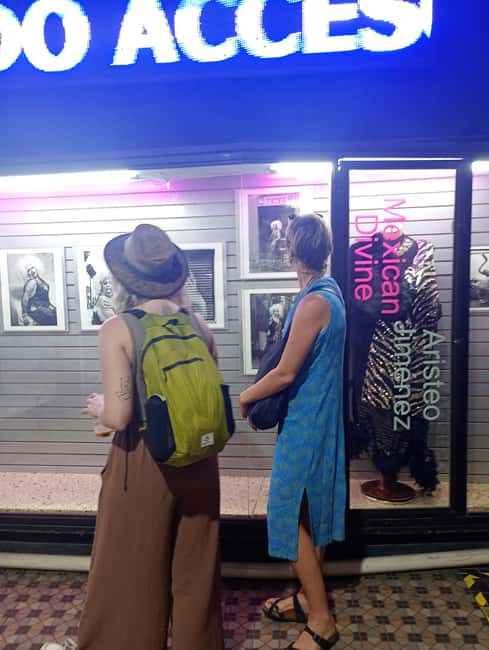
Book it if you want to understand Mexico City through queer lives and culture, rather than only through its most famous monuments. It is particularly well suited to LGBTQ+ visitors, people interested in Mexican history, and anyone who values a guide-led conversation about both historical figures and contemporary artists or activists.
It is less suited to anyone looking for a quick, purely architectural walk, an indoor museum visit, or a guaranteed meal break. The timing caveat also deserves attention: ask about the expected duration before booking if you have plans immediately afterward.
For a modest price, this walk offers a specific and worthwhile lens on the Historic Center. I would book it for the subject and the chance to hear a guide connect queer history with the streets around you, while confirming that your departure is expected to run close to the full two and a half hours.
FAQ
How long is the tour?
The stated duration is 150 minutes. One reported outing lasted 30 minutes, so check the expected timing with the provider if a full-length tour is important to you.
How much does the tour cost?
The listed price is $30 per person.
Where does the tour start?
The general meeting location is Alameda Central Park near the corner of Hidalgo Avenue and Dr. Mora Street. The meeting point may vary depending on the option booked.
How can I identify the guide?
The guide is expected to hold a colorful umbrella at the meeting point.
Which languages are available?
The tour is offered in English and French.
How large is the group?
The small group is limited to 10 participants.
What should I bring?
Wear comfortable walking shoes and bring water. Sunscreen and an umbrella are also recommended.
Is food included?
No. Food and souvenirs are not included in the tour price.
New on the list in Mexico City
- Private & Tailor Made Tour to Teotihuacan Pyramids!★ 5.0 · 37 reviews
- Private Tour: Pyramids of Teotihuacan and Piramides of Atlantes de Tula★ 5.0 · 26 reviews
- Xochimilco Tour★ 5.0 · 26 reviews
- Private tour to Queretaro and San Miguel de Allende★ 4.0 · 10 reviews
- Private Street Food & Mural Art Tour in Mexico City★ 3.5 · 3 reviews
- Private tour Antropology Museum Frida Khalo museum and Leon Trotskyi museum★ 5.0 · 3 reviews
- Private Tour: Museum of Anthropology and Chapultepec Castle★ 5.0 · 3 reviews
- Teotihuacan Private Tour, Cave Breakfast and Transportation★ 5.0 · 51 reviews
Mexico City LGBTQ Tours, compared.

Discover Mexico City’s (CDMX) Gay (LGBTQ) Hotspots Guided Tour
Read our review →Browse the lists this tour appears in